
In today’s fast-paced digital world, marketing plays a crucial role in the success of any business. Whether you are running a small startup or managing an established brand, using the right marketing tools can help you reach your target audience, improve engagement, and increase sales. With so many options available, choosing the right tools can feel overwhelming. However, focusing on a few essential categories can make a big difference in your business growth.
This guide will walk you through the must-have marketing tools that can streamline your efforts and help your business grow faster.
Social Media Management Tools
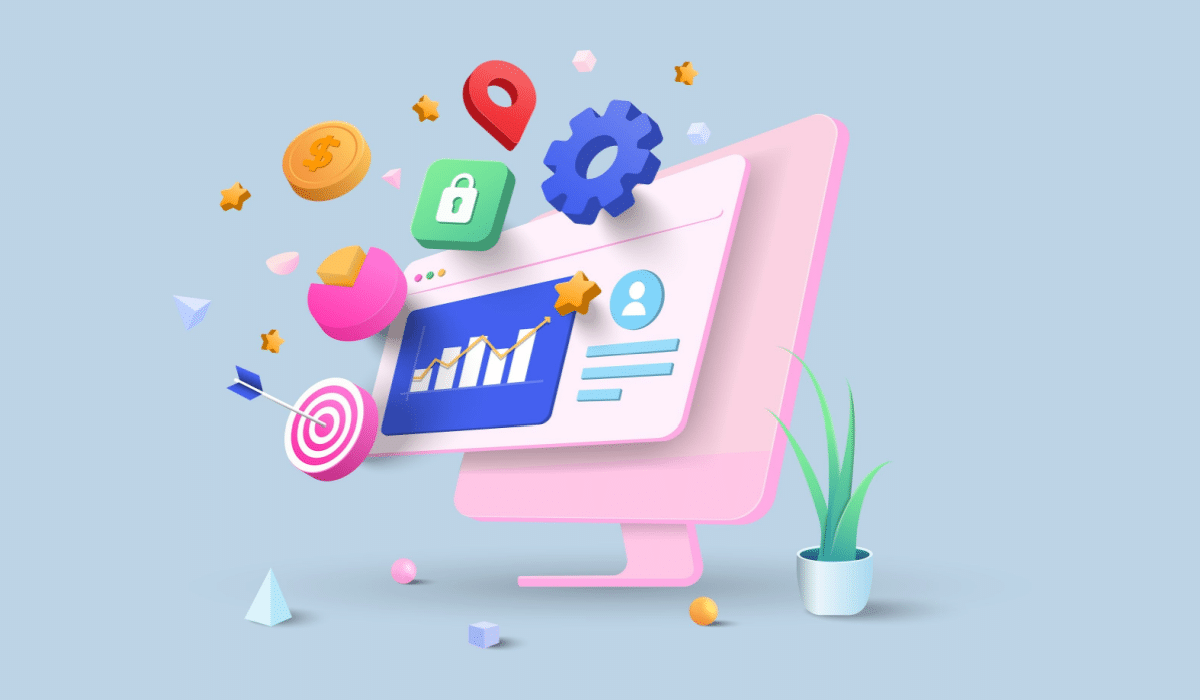
Social media platforms have become one of the most powerful ways to connect with customers. Managing multiple accounts manually can be time-consuming, which is why social media management tools are essential.
These tools allow you to schedule posts, track performance, and manage all your accounts in one place. Consistency is key in social media marketing, and with the right tool, you can plan your content in advance and maintain a regular posting schedule without stress.
They also provide analytics that helps you understand what type of content works best for your audience, allowing you to refine your strategy over time.
Email Marketing Tools
Email marketing remains one of the most effective ways to communicate directly with your audience. It helps build relationships, nurture leads, and convert prospects into loyal customers.
With email marketing tools, you can create professional campaigns, automate responses, and segment your audience based on their interests and behavior. Automation features save time by sending welcome emails, follow-ups, and promotional messages automatically.
Personalization is another major advantage. Sending targeted emails increases engagement and improves conversion rates, making email marketing a must-have for any business.
SEO Tools
Search Engine Optimisation (SEO) is essential for improving your website’s visibility on search engines. Without proper SEO, your business may struggle to reach potential customers online.
SEO tools help you find the right keywords, analyze competitors, and optimize your content for better rankings. They also provide insights into your website’s performance, including traffic, backlinks, and technical issues.
By using SEO tools effectively, you can attract organic traffic, which is both cost-effective and sustainable in the long run.
Content Creation Tools

Content is the backbone of digital marketing. High-quality content helps attract, engage, and convert your audience. Whether it’s blog posts, social media graphics, or videos, having the right content creation tools is essential.
These tools help you design visuals, edit videos, and write compelling content. They make it easier to maintain a consistent brand image and create professional-looking materials without needing advanced technical skills.
Good content not only builds trust but also strengthens your brand identity and improves your online presence.
Analytics and Reporting Tools
Understanding your marketing performance is crucial for making informed decisions. Analytics tools help you track key metrics such as website traffic, user behavior, and campaign performance.
With these insights, you can identify what’s working and what needs improvement. Instead of guessing, you can rely on data to optimize your strategies.
Regular reporting also helps you set realistic goals and measure your progress over time, ensuring continuous growth.
Customer Relationship Management (CRM) Tools
Building strong relationships with customers is essential for long-term success. CRM tools help you manage customer data, track interactions, and improve communication.
These tools allow you to organize customer information, follow up on leads, and provide better customer support. By understanding your customers’ needs and preferences, you can offer personalised experiences that increase satisfaction and loyalty.
A well-managed CRM system can significantly boost your sales and improve customer retention.
Paid Advertising Tools
While organic marketing is important, paid advertising can help you achieve faster results. Advertising tools allow you to create, manage, and optimize campaigns across different platforms.
These tools provide targeting options to reach the right audience based on demographics, interests, and behavior. They also offer performance tracking, so you can monitor your return on investment (ROI).
When used correctly, paid advertising can drive immediate traffic, generate leads, and increase sales.
Marketing Automation Tools
Marketing automation tools help streamline repetitive tasks, saving time and improving efficiency. From email campaigns to lead nurturing, automation ensures that your marketing efforts run smoothly.
These tools allow you to set up workflows that trigger actions based on user behavior. For example, when someone signs up for your newsletter, they can automatically receive a welcome email.
Automation not only saves time but also ensures consistency and accuracy in your marketing efforts.
Collaboration and Project Management Tools
Marketing often involves teamwork, especially when handling multiple campaigns. Collaboration tools help teams stay organised and work efficiently.
These tools allow you to assign tasks, track progress, and communicate with team members in real time. They ensure that everyone is on the same page and deadlines are met.
Better collaboration leads to improved productivity and more successful marketing campaigns.
FAQs
1. What are marketing tools and why are they important?
Marketing tools are software or platforms that help businesses promote their products or services more effectively. They are important because they save time, improve efficiency, and help reach the right audience, ultimately increasing sales and growth.
2. Which marketing tools are best for small businesses?
Small businesses can benefit from tools for social media management, email marketing, SEO, and analytics. These tools are affordable, easy to use, and help build a strong online presence without requiring a large budget.
3. How do marketing tools help in business growth?
Marketing tools automate tasks, provide valuable data insights, and improve targeting. This helps businesses make better decisions, attract more customers, and increase conversions faster.
4. Are free marketing tools effective?
Yes, many free marketing tools offer great features that are enough for beginners and small businesses. As your business grows, you can upgrade to paid versions for advanced features and better performance.
5. How do I choose the right marketing tools for my business?
Choose tools based on your business goals, budget, and marketing needs. Start with essential tools like email marketing and social media management, then expand as your requirements grow.
Who should use Business & Finance
Must-Have Marketing Tools to Grow Your Business Faster is built for travelers, shoppers, students, and small teams comparing values across currencies. The main goal is clearer estimates before purchases, invoices, budgets, or travel planning, so the guide focuses on practical choices instead of broad theory.
Use it when you need one of these outcomes:
- checking a price before buying from another country
- estimating travel budgets and daily spending
- comparing invoice or subscription values across currencies
How to get a better result
- Enter the amount and currency pair you want to compare.
- Check when the rate was last refreshed or updated.
- Add expected card, bank, or marketplace fees to the estimate.
- Use the result as guidance, not as a guaranteed final bank rate.
Start small, check the first output, and only then repeat the workflow with the full file, text, media, or game session. That gives you a quick quality check before you spend more time.
Quality checks before you trust the output
- the rate is fresh enough for the decision you are making
- fees, bank margins, and taxes are considered separately
- large transfers are verified with your provider before payment
Do not use a converter result as a final trading, tax, or transfer quote. Real payments can include spreads, delays, and provider-specific fees.
Continue your workflow
If you want to try the workflow now, open the related AltFTool tool area. For more reading, continue through the Business & Finance archive or the AltFTool finance guide archive.
This creates a cleaner path from explanation to action: read the guide, test the tool, compare the output, and move into the next related AltFTool resource only when it helps the task.
Reader questions
Quick answers
What is Must-Have Marketing Tools to Grow Your Business Faster about?
In today’s fast-paced digital world, marketing plays a crucial role in the success of any business. Whether you are running a small startup or managing an estab
When should I use Business & Finance?
Use Business & Finance when you need checking a price before buying from another country or estimating travel budgets and daily spending. It is best for clearer estimates before purchases, invoices, budgets, or travel planning.
How do I get better results from Business & Finance?
Start with a small sample, then check that the rate is fresh enough for the decision you are making and fees, bank margins, and taxes are considered separately. Review the output before using it in a final workflow.
Where can I find more Business & Finance guides?
Use the AltFTool blog archive, AltFTool finance guide archive, and related links on this page to explore more Business & Finance tutorials, tool workflows, and practical recommendations.
Sources and review notes
References used to check facts, freshness, and reader-safe recommendations in this guide.
Reviewed against AltFTool editorial guidance, related site archives, and linked tool pages for freshness and reader usefulness.
- 1
- 2AltFTool finance guide archive
AltFTool
- 3AltFTool related tools area
AltFTool
Discussion
0 comments
No comments yet
Discussion will appear here once it loads.