
Artificial Intelligence is evolving rapidly, and one of the biggest advancements in recent years is Agentic AI. Unlike traditional AI systems that simply respond to commands, Agentic AI is designed to make decisions, take actions, solve problems, and complete tasks autonomously with minimal human intervention.
As businesses, developers, and researchers continue to explore smarter automation technologies, Agentic AI is becoming one of the most discussed topics in the AI industry. From AI assistants and autonomous software agents to intelligent workflow automation systems, Agentic AI is shaping the future of how machines interact with humans and environments.
Understanding Agentic AI is important because it represents the next major step in the evolution of artificial intelligence.
What is Agentic AI?
Agentic AI refers to artificial intelligence systems that can independently plan, reason, make decisions, and perform tasks to achieve specific goals. These systems act more like intelligent agents rather than simple tools.
Traditional AI usually responds to direct prompts or instructions. Agentic AI, however, can analyze situations, decide what actions are needed, and execute multiple steps automatically.
In simple terms, Agentic AI focuses on autonomy and goal-oriented behavior.
Main Characteristics of Agentic AI
- Goal-driven decision making
- Autonomous task execution
- Continuous learning capabilities
- Problem-solving abilities
- Multi-step reasoning
Adaptability to changing situations
These characteristics make Agentic AI more advanced than traditional rule-based systems.
How Agentic AI Works
Agentic AI combines multiple AI technologies to operate independently and intelligently.
These systems usually rely on
- Large Language Models (LLMs)
- Machine learning
- Memory systems
- Planning algorithms
- Reasoning engines
Tool integrations
The AI agent receives a goal, analyzes available information, creates a plan, executes actions, and adjusts its behavior based on results.
For example, an Agentic AI assistant could:
- Research information online
- Create reports
- Schedule meetings
- Send emails
- Analyze data
Complete repetitive workflows
All with minimal manual input.
Difference Between Traditional AI and Agentic AI
Traditional AI systems are generally reactive. They wait for user input and provide responses accordingly.
Agentic AI is proactive and autonomous.
| Feature | Traditional AI | Agentic AI |
| Behavior | Reactive | Autonomous |
| Decision Making | Limited | Advanced |
| Task Execution | Single-step | Multi-step |
| Human Dependency | High | Lower |
| Adaptability | Moderate | High |
This shift toward autonomy is what makes Agentic AI a major technological breakthrough.
Why Agentic AI is Important
Agentic AI has the potential to transform industries by reducing manual work, improving productivity, and automating complex processes.
Businesses are increasingly adopting AI systems that can independently manage workflows and make operational decisions.
Benefits of Agentic AI
- Faster task automation
- Improved productivity
- Better decision-making
- Reduced operational costs
- Continuous workflow management
Personalized user experiences
These advantages make Agentic AI valuable for both businesses and individuals.
Real-World Applications of Agentic AI
Agentic AI is already being explored across many industries.
Customer Support
AI agents can independently handle customer queries, resolve issues, and escalate problems when necessary.
Software Development
Agentic AI coding assistants can write, debug, optimize, and test code with minimal human supervision.
Healthcare
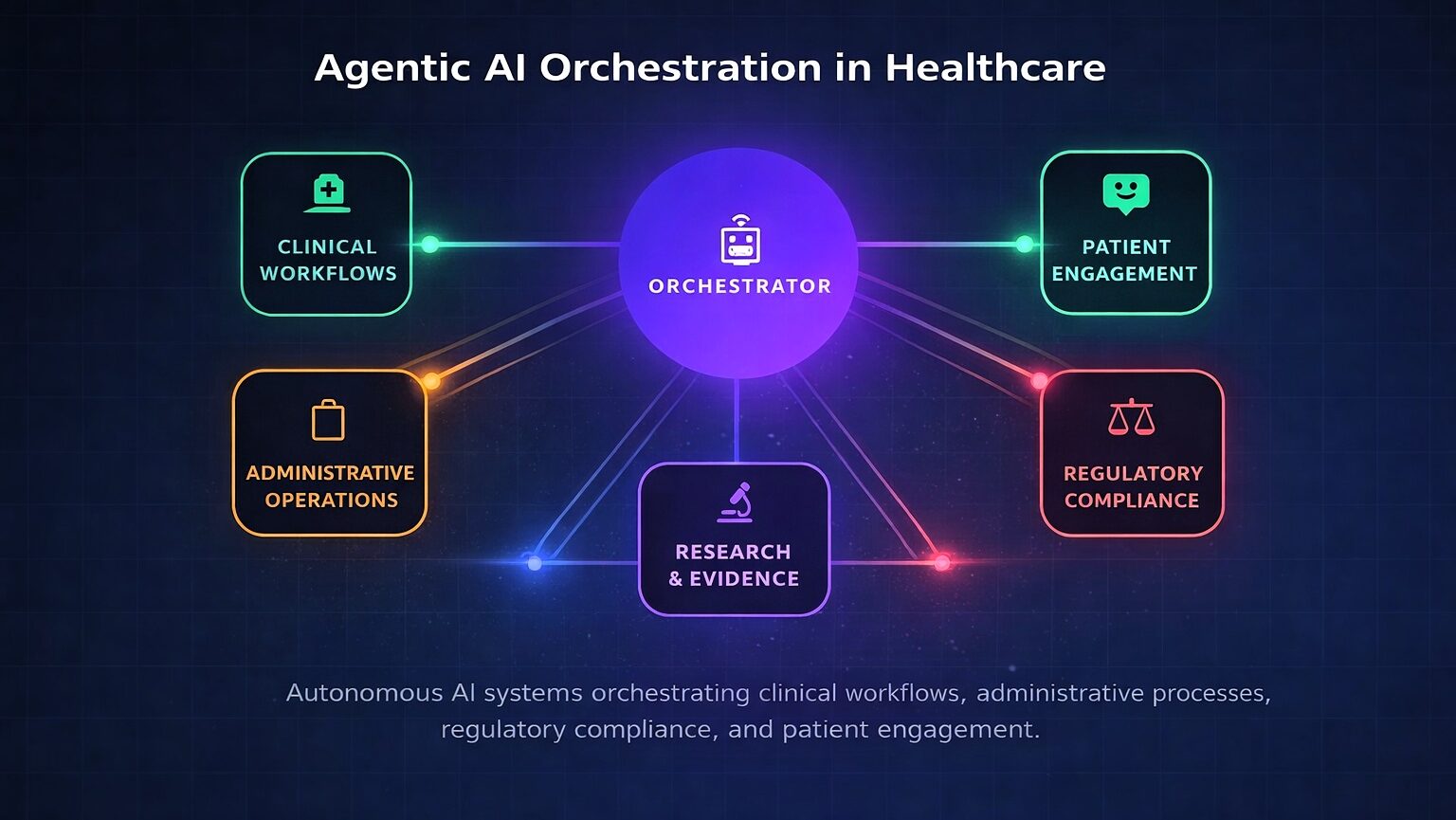
AI systems can assist doctors by analyzing patient data, suggesting treatments, and monitoring health conditions.
Finance
Financial AI agents help with fraud detection, investment analysis, and automated trading.
Business Automation
Companies use AI agents for
- Email automation
- Data analysis
- Report generation
- Workflow management
Scheduling tasks
These applications continue to expand as AI technology improves.
Key Technologies Behind Agentic AI
Several advanced technologies work together to make Agentic AI possible.
Large Language Models (LLMs)
LLMs help AI understand and generate human-like language.
Machine Learning
Machine learning enables AI systems to improve performance over time.
Memory Systems
Memory allows AI agents to remember previous interactions and context.
Planning Algorithms
Planning systems help AI decide the best sequence of actions to achieve goals.
API & Tool Integrations
AI agents often connect with external tools, databases, and applications to perform tasks
effectively.
Together, these technologies create highly capable autonomous systems.
Challenges of Agentic AI
Although Agentic AI offers major advantages, it also introduces several challenges.
Common Challenges
- Ethical concerns
- Data privacy risks
- Security vulnerabilities
- Bias in AI decisions
- Lack of transparency
Overdependence on automation
Because Agentic AI can act independently, ensuring safe and responsible behavior becomes extremely important.
Risks Associated with Agentic AI
As AI systems become more autonomous, managing risks becomes a critical priority.
Potential Risks Include
- Incorrect decision-making
- Unauthorized actions
- Misuse of AI systems
- Data leaks
Reduced human oversight
Researchers and companies are actively working on AI safety frameworks to reduce these risks.
Future of Agentic AI
The future of Agentic AI looks highly promising. Experts believe autonomous AI agents will become a major part of business operations, personal productivity, education, healthcare, and software development.
Future AI agents may eventually
- Collaborate with humans in real time
- Manage entire workflows
- Operate digital businesses
- Conduct advanced research
Build software automatically
As AI models become more powerful, Agentic AI systems are expected to become smarter, faster, and more reliable.
Agentic AI in Everyday Life
In the near future, people may interact with Agentic AI daily without even realizing it.
Examples may include
- Smart virtual assistants
- Autonomous shopping agents
- AI travel planners
- Automated financial advisors
Personalized education assistants
These systems will help users save time and make better decisions.
Human Role in the Age of Agentic AI
Even though Agentic AI can automate many tasks, human involvement will still remain important.
Humans will continue to provide
- Strategic thinking
- Creativity
- Ethical judgment
- Oversight and monitoring
Emotional intelligence
Agentic AI is more likely to assist humans rather than completely replace them.
How Businesses Can Prepare for Agentic AI
Organizations interested in AI adoption should begin preparing for autonomous systems.
Important Preparation Steps
- Invest in AI education
- Train employees in AI tools
- Build ethical AI policies
- Improve cybersecurity systems
Explore automation opportunities
Businesses that adapt early may gain significant competitive advantages.
Who should use Digital Tools
What is Agentic AI? Future of Autonomous AI Systems is built for readers who want a faster way to finish everyday web tasks. The main goal is shorter workflows, clearer outputs, and reusable tool habits, so the guide focuses on practical choices instead of broad theory.
Use it when you need one of these outcomes:
- testing a task before choosing a heavier app
- saving time on a repeated browser workflow
- combining a guide with a related AltFTool utility
How to get a better result
- Read the core use case and decide what output you need.
- Open the related AltFTool utility and test it with a small sample.
- Review the result, adjust settings, and repeat only if needed.
- Continue with related tools or guides for the next step in the workflow.
Start small, check the first output, and only then repeat the workflow with the full file, text, media, or game session. That gives you a quick quality check before you spend more time.
Quality checks before you trust the output
- the input is clean before running the tool
- the output matches the format you need
- private details are removed before sharing or downloading
Do not overcomplicate a simple task. Start with the smallest sample that proves the workflow, then scale up once the output looks right.
Continue your workflow
If you want to try the workflow now, open the related AltFTool tool area. For more reading, continue through the Digital Tools archive or the AltFTool tools directory.
This creates a cleaner path from explanation to action: read the guide, test the tool, compare the output, and move into the next related AltFTool resource only when it helps the task.
Reader questions
Quick answers
What is What is Agentic AI? Future of Autonomous AI Systems about?
Artificial Intelligence is evolving rapidly, and one of the biggest advancements in recent years is Agentic AI. Unlike traditional AI systems that simply respon
When should I use Digital Tools?
Use Digital Tools when you need testing a task before choosing a heavier app or saving time on a repeated browser workflow. It is best for shorter workflows, clearer outputs, and reusable tool habits.
How do I get better results from Digital Tools?
Start with a small sample, then check that the input is clean before running the tool and the output matches the format you need. Review the output before using it in a final workflow.
Where can I find more Digital Tools guides?
Use the AltFTool blog archive, AltFTool tools directory, and related links on this page to explore more Digital Tools tutorials, tool workflows, and practical recommendations.
Sources and review notes
References used to check facts, freshness, and reader-safe recommendations in this guide.
Reviewed against AltFTool editorial guidance, related site archives, and linked tool pages for freshness and reader usefulness.
- 1AltFTool Digital Tools archive
AltFTool
- 2AltFTool tools directory
AltFTool
Discussion
0 comments
No comments yet
Discussion will appear here once it loads.