
YouTube content creation has changed dramatically in recent years, but 2026 is proving to be one of the biggest turning points in the platform’s history. Artificial intelligence is no longer just an experimental tool for creators. It has become a major part of the YouTube ecosystem, influencing everything from script writing and video editing to thumbnails, SEO optimization, voiceovers, and audience analytics. Many creators now rely on AI-powered workflows to produce videos faster, improve production quality, and scale their channels more efficiently than ever before.
The rise of AI has also lowered the barrier to entry for new creators. Previously, building a successful YouTube channel often required expensive equipment, advanced editing skills, and a large amount of time. In 2026, many AI tools can automate repetitive tasks and help even beginners create professional-looking content. At the same time, YouTube itself is embracing AI while also attempting to control low-quality “AI slop” content that floods the platform.
The Rise of AI-Powered YouTube Workflows
One of the biggest changes in YouTube content creation is the shift toward AI-assisted workflows. Many creators now use artificial intelligence at almost every stage of the production process.
Instead of brainstorming ideas manually, creators can use AI chatbots to research trends, generate content ideas, and structure video outlines. AI writing tools help produce scripts within minutes, while AI voice generators create natural-sounding narrations without needing expensive microphones or recording studios. Video editing platforms powered by AI can automatically cut footage, remove silence, add captions, create transitions, and optimize videos for different platforms.
This workflow has significantly reduced the time required to produce videos. According to multiple creator-focused reports, many YouTubers now produce content two to five times faster using AI-assisted systems.
For solo creators and small teams, this is a major advantage. Tasks that previously required editors, designers, writers, and SEO specialists can now be handled using a combination of AI tools.
AI Script Writing Is Transforming Video Production
Script writing has become one of the most common uses of AI in YouTube content creation. Many creators use tools like ChatGPT and Claude to generate video outlines, hooks, titles, descriptions, and complete scripts.
AI tools can quickly analyze trending topics and help creators produce structured, engaging content based on audience interests. Instead of spending hours researching and organizing information, creators can now generate draft scripts within minutes and refine them according to their personal style.
This has been especially useful for faceless YouTube channels, educational creators, and automation-based content strategies. AI can generate explainer scripts, storytelling formats, list videos, tutorials, and informational content much faster than traditional methods.
However, many experts warn that relying entirely on AI-generated scripts can reduce originality. YouTube is increasingly focusing on authentic and valuable content rather than mass-produced AI material.
AI Video Editing Is Saving Creators Massive Time
Video editing has traditionally been one of the most time-consuming parts of content creation. In 2026, AI-powered editing tools are changing that completely.
Modern AI editors can automatically detect highlights, remove background noise, add subtitles, create transitions, and even generate short-form clips for YouTube Shorts, TikTok, and Instagram Reels. Some platforms also support automatic scene detection and social media formatting.
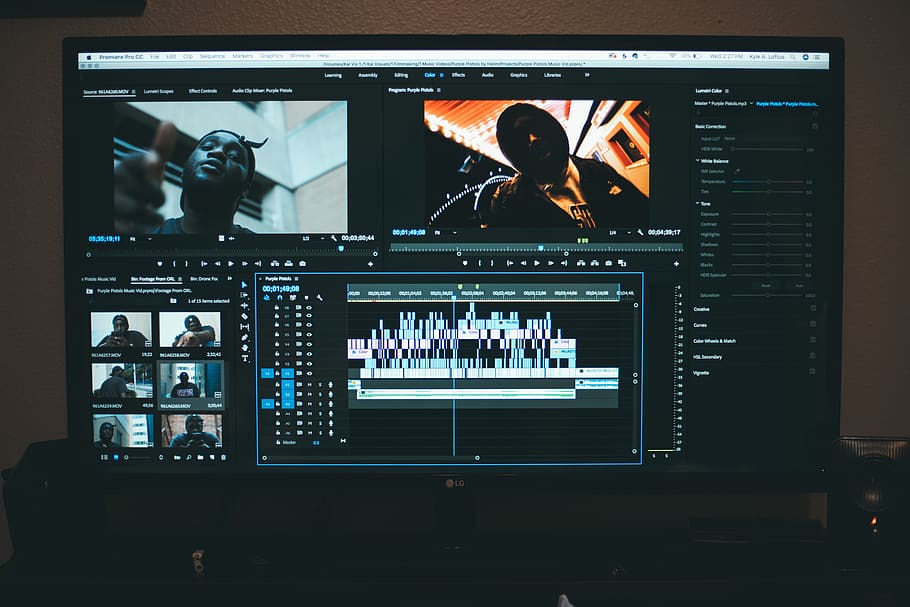
This allows creators to focus more on storytelling and creativity rather than repetitive editing tasks. AI editing tools are particularly useful for creators who upload frequently because they help maintain consistent production schedules.
Some tools now even support text-based editing, where creators edit videos simply by editing text transcripts. Researchers studying AI-assisted video creation have noted that text-driven video editing may become a major part of future content production workflows.
Despite these advancements, many professional creators still prefer manual editing for cinematic projects and highly personalized content because AI-generated edits can sometimes feel generic or repetitive.
AI Voiceovers and AI Avatars Are Becoming Mainstream
Another major trend in 2026 is the rise of AI voiceovers and AI-generated presenters. Creators can now generate realistic narration using synthetic voices that sound increasingly human.
This has made faceless YouTube channels more popular because creators no longer need to appear on camera or record their own voices. AI avatars and virtual presenters are also becoming more advanced, allowing creators to produce videos with digital hosts generated entirely by AI.
YouTube itself has acknowledged the growing use of AI-generated creators and digital identities. However, the platform also introduced stricter rules requiring creators to disclose synthetic or AI-generated media in some situations.
While AI avatars create new opportunities, they have also raised concerns about authenticity, misinformation, and deepfakes.
AI Is Changing YouTube SEO and Discoverability
Search optimization on YouTube is also becoming heavily AI-driven. Creators now use AI tools to generate titles, tags, video descriptions, thumbnails, and keyword strategies.
AI systems can analyze audience behavior and suggest content structures that improve watch time and click-through rates. Some creators use AI tools to identify trending niches, content gaps, and viral video formats.
AI-generated thumbnails have become especially common in 2026. Tools can automatically generate thumbnail concepts based on high-performing visual patterns and viewer psychology.
At the same time, SEO experts believe that AI is shifting the focus away from simple keyword stuffing. Modern recommendation systems increasingly prioritize viewer engagement, topical depth, audience trust, and content quality.
This means creators still need strong storytelling and audience understanding even when using AI-powered optimization tools.
The Growth of Faceless YouTube Channels
AI has significantly accelerated the growth of faceless YouTube channels. These channels create videos without showing the creator’s face, often relying on AI-generated scripts, stock footage, voiceovers, and automated editing.
Many creators prefer this model because it allows them to produce videos quickly without investing in cameras, studio setups, or personal branding. Educational content, technology news, finance explainers, motivational videos, and AI tutorials are among the most popular faceless YouTube niches.
AI tools have made these workflows highly scalable. Some creators now operate multiple channels simultaneously using automated content pipelines.
However, YouTube has also started pushing back against repetitive low-quality AI-generated channels. Reports indicate that several AI-heavy channels have been demonetized or removed for violating platform quality standards.
YouTube’s Fight Against “AI Slop”
As AI-generated content becomes more common, YouTube faces growing criticism regarding low-quality videos often referred to as “AI slop.”
These videos are typically mass-produced using AI scripts, AI voices, stock visuals, and automated editing with minimal human creativity or originality. Some studies suggest that a significant percentage of recommended videos for new users now contain heavily AI-generated content.

In response, YouTube announced stronger moderation efforts in 2026. The platform stated that it supports AI-assisted creativity but does not want spam-like or misleading AI content dominating the ecosystem.
YouTube is now emphasizing originality, creator authenticity, and audience value more heavily. This means creators using AI successfully still need to add unique perspectives, storytelling, and real engagement rather than relying entirely on automation.
AI Is Increasing Competition Among Creators
AI has made content production faster and more accessible, but it has also made YouTube more competitive.
Because creators can now upload videos more frequently, audiences are exposed to larger amounts of content every day. This has increased pressure on creators to stand out through better storytelling, branding, editing quality, and audience engagement.
Some creators believe AI levels the playing field because beginners can now create professional-quality content without large budgets. Others worry that content saturation will make it harder for smaller creators to gain visibility.
The reality is that AI alone is not enough for long-term success. Many industry experts believe the creators who succeed in 2026 are those who combine AI efficiency with originality, creativity, and audience trust.
The Future of AI in YouTube Content Creation
AI is expected to become even more integrated into YouTube workflows over the next few years. Future tools may automate larger parts of production, including full video generation, personalized audience targeting, and interactive AI-driven storytelling.
Researchers are already exploring systems where creators can edit videos using natural-language instructions instead of traditional editing software.
At the same time, ethical concerns around deepfakes, misinformation, copyright issues, and content authenticity will likely become more important. Platforms such as YouTube are expected to continue introducing safeguards and disclosure requirements for synthetic content.
Rather than replacing creators completely, AI appears to be evolving into a productivity tool that enhances human creativity and accelerates production workflows.
FAQs
Who should use Digital Tools
How AI Is Changing YouTube Content Creation in 2026 is built for creators and researchers saving publicly available media references for later use. The main goal is faster media collection, cleaner references, and less manual searching, so the guide focuses on practical choices instead of broad theory.
Use it when you need one of these outcomes:
- saving a thumbnail or media reference for a project brief
- reviewing examples while planning content
- keeping public assets organized before editing or publishing
How to get a better result
- Copy the public media URL from the source platform.
- Paste it into the relevant AltFTool downloader or helper page.
- Choose the output that matches your intended quality and file size.
- Store the file with a clear name and respect the original creator's rights.
Start small, check the first output, and only then repeat the workflow with the full file, text, media, or game session. That gives you a quick quality check before you spend more time.
Quality checks before you trust the output
- you have permission or a valid reason to save the content
- the chosen quality is high enough for your intended use
- the downloaded file name makes the source easy to identify later
Do not reuse downloaded media as if you own it. Always check platform rules, creator permissions, and whether your use is personal, educational, or commercial.
Continue your workflow
If you want to try the workflow now, open the related AltFTool tool area. For more reading, continue through the Digital Tools archive or the AltFTool creator media guides.
This creates a cleaner path from explanation to action: read the guide, test the tool, compare the output, and move into the next related AltFTool resource only when it helps the task.
Reader questions
Quick answers
What is How AI Is Changing YouTube Content Creation in 2026 about?
YouTube content creation has changed dramatically in recent years, but 2026 is proving to be one of the biggest turning points in the platform’s history. Artifi
When should I use Digital Tools?
Use Digital Tools when you need saving a thumbnail or media reference for a project brief or reviewing examples while planning content. It is best for faster media collection, cleaner references, and less manual searching.
How do I get better results from Digital Tools?
Start with a small sample, then check that you have permission or a valid reason to save the content and the chosen quality is high enough for your intended use. Review the output before using it in a final workflow.
Where can I find more Digital Tools guides?
Use the AltFTool blog archive, AltFTool creator media guides, and related links on this page to explore more Digital Tools tutorials, tool workflows, and practical recommendations.
Sources and review notes
References used to check facts, freshness, and reader-safe recommendations in this guide.
Reviewed against AltFTool editorial guidance, related site archives, and linked tool pages for freshness and reader usefulness.
- 1AltFTool Digital Tools archive
AltFTool
- 2AltFTool creator media guides
AltFTool
- 3AltFTool related tools area
AltFTool
Discussion
1 comment
No comments yet
Discussion will appear here once it loads.