Artificial intelligence is transforming the way we create and consume visual content, and one of the most powerful tools leading this change is Midjourney. From professional designers to casual creators, more people are using AI to generate high-quality images simply by describing what they want. This shift has made creative expression faster, more accessible, and highly scalable.
In today’s digital world, visuals play a critical role in communication. Whether it is for social media, marketing campaigns, branding, or storytelling, high-quality images help capture attention and deliver messages effectively. Midjourney makes it possible to create these visuals in seconds, but the key to unlocking its full potential lies in understanding how to write effective prompts.
Understanding Midjourney Prompts
Midjourney prompts are text-based instructions that guide the AI in generating images. These prompts act as a blueprint, telling the system what to create and how it should look. Instead of manually designing images, users simply describe their ideas, and the AI translates those descriptions into visuals.
A prompt usually includes several elements such as the subject, artistic style, lighting, composition, and quality. When these elements are combined clearly, the output becomes more accurate and visually appealing. Without proper structure, the results may appear generic or inconsistent, which is why understanding prompt construction is essential.
Why Prompt Quality Matters
AI does not create art with intention—it interprets instructions. This means the clarity and detail of your prompt directly affect the output.
For example, a simple input like “a beach” may result in a generic image. However, a more descriptive prompt such as “a tropical beach at sunset with golden light, soft waves, cinematic lighting, ultra realistic, 8K” will produce a much richer and more engaging visual.
This highlights the importance of writing prompts that clearly communicate your creative vision.
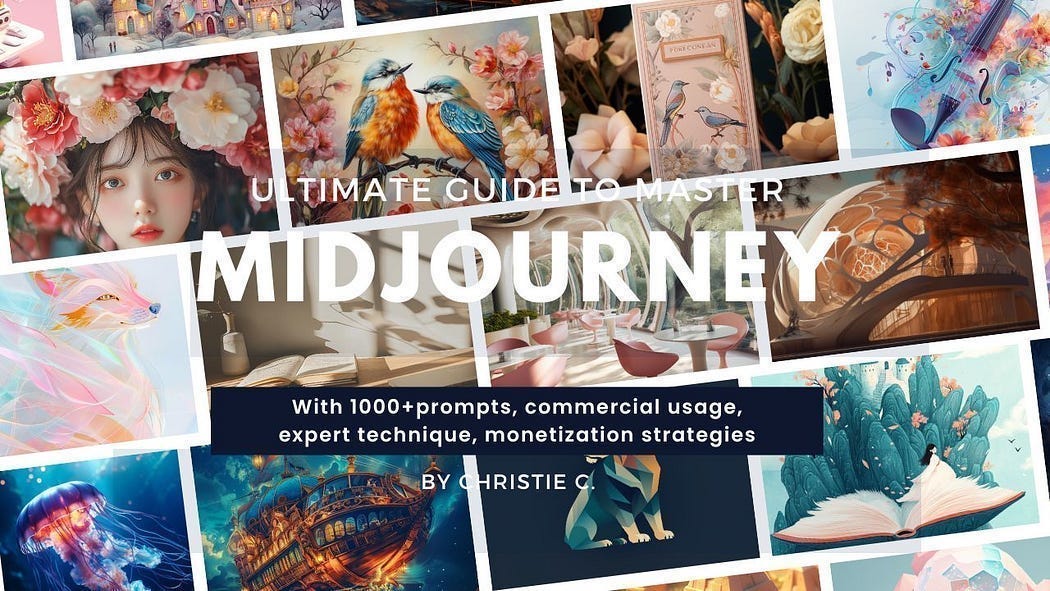
How to Write Effective Prompts
Creating effective prompts requires a structured approach. Instead of using vague descriptions, focus on combining clear elements that guide the AI toward your desired result.
Key Prompt Writing Strategy
| Step | What to Do | Result |
| Be Specific | Clearly define the subject | Accurate output |
| Add Style | Mention artistic direction | Unique visuals |
| Use Lighting | Define mood and tone | Better atmosphere |
| Include Quality | Add HD or 8K keywords | Sharper images |
| Experiment | Try variations | Improved results |
When you follow this method, you will notice a significant improvement in the quality and consistency of your AI-generated images.
Examples of Strong Prompts
Understanding examples can make it easier to learn how to write effective prompts. A well-crafted prompt combines multiple descriptive elements into a single clear instruction. For instance, a sci-fi-themed prompt might describe a futuristic city at night with neon lights and a cyberpunk style. A fantasy prompt could involve a floating castle surrounded by clouds and magical lighting, while a portrait prompt might focus on a character with cinematic lighting and realistic detail.
These examples show that strong prompts are not just about describing an object but also about defining the mood, style, and overall visual experience. The more detailed and structured your description is, the better the AI can translate it into a high-quality image.
Benefits of Using Midjourney
Using Midjourney offers several advantages, especially for those who want to create high-quality visuals quickly and efficiently.
Advantages Overview
| Benefit | Explanation |
| Creative Freedom | Generate almost any visual concept |
| Time Efficiency | Create images within seconds |
| Beginner Friendly | No advanced design skills needed |
| Endless Variations | Experiment with unlimited styles |
| Cost Effective | Reduces reliance on expensive tools |
These benefits make Midjourney a powerful solution for both professionals and beginners.
Challenges and Drawbacks
Despite its many advantages, Midjourney also has some challenges. One of the main difficulties is the learning curve associated with writing effective prompts. Beginners may struggle to achieve desired results until they understand how to structure their instructions properly.
Another challenge is inconsistency. Since AI generates images based on interpretation, the results may vary even when using similar prompts. There is also limited control over fine details, which can make it difficult to achieve precise outcomes. Additionally, relying heavily on AI tools may reduce the development of traditional creative skills over time.
Limitations of AI Art Tools
Even advanced tools like Midjourney have certain limitations. One common issue is interpretation errors, where the AI may misunderstand parts of a prompt and produce unexpected results. This is especially true for complex or highly detailed instructions.
Another limitation is the lack of precision in small details. While the overall image may look impressive, finer elements may not always be accurate. There are also ethical concerns related to originality and ownership, as AI-generated art raises questions about creativity and intellectual property. Additionally, since Midjourney is a platform-based tool, users must rely on access to the service to generate images.
Tips to Improve Your Results
Improving your results with Midjourney requires practice and consistency. Starting with simple prompts can help you understand how the AI responds to different inputs. As you become more comfortable, you can gradually add more details to refine your outputs.
Experimenting with different styles and approaches is also important. By trying variations of the same prompt, you can discover what works best and achieve better results. Learning from successful examples and regularly practicing prompt writing will help you develop stronger skills and produce more consistent outcomes over time.
The Future of AI Art
AI-generated art is evolving rapidly, and tools like Midjourney are becoming more advanced with improved realism and better understanding of user input.
In the coming years, AI will likely offer deeper customization, more accurate outputs, and seamless integration with design platforms. This will make creative workflows faster and more efficient, opening new opportunities across industries.
Future Trends
- Better AI Understanding
AI systems will interpret prompts more accurately, helping users generate visuals that closely match their creative ideas. - Advanced Realism
Future AI-generated images are expected to achieve near-photographic quality with highly detailed textures, lighting, and compositions. - Integration with Design Tools
AI art platforms will work seamlessly with popular design and editing software, making creative workflows faster and more efficient. - Personalized Creative Outputs
AI tools will provide customized results based on user preferences, styles, and creative history for a more tailored experience.
FAQs
Who should use Digital Tools
Midjourney Prompts for Stunning AI Art Creation Now is built for readers who want a faster way to finish everyday web tasks. The main goal is shorter workflows, clearer outputs, and reusable tool habits, so the guide focuses on practical choices instead of broad theory.
Use it when you need one of these outcomes:
- testing a task before choosing a heavier app
- saving time on a repeated browser workflow
- combining a guide with a related AltFTool utility
How to get a better result
- Read the core use case and decide what output you need.
- Open the related AltFTool utility and test it with a small sample.
- Review the result, adjust settings, and repeat only if needed.
- Continue with related tools or guides for the next step in the workflow.
Start small, check the first output, and only then repeat the workflow with the full file, text, media, or game session. That gives you a quick quality check before you spend more time.
Quality checks before you trust the output
- the input is clean before running the tool
- the output matches the format you need
- private details are removed before sharing or downloading
Do not overcomplicate a simple task. Start with the smallest sample that proves the workflow, then scale up once the output looks right.
Continue your workflow
If you want to try the workflow now, open the related AltFTool tool area. For more reading, continue through the Digital Tools archive or the AltFTool tools directory.
This creates a cleaner path from explanation to action: read the guide, test the tool, compare the output, and move into the next related AltFTool resource only when it helps the task.
Reader questions
Quick answers
What is Midjourney Prompts for Stunning AI Art Creation Now about?
Artificial intelligence is transforming the way we create and consume visual content, and one of the most powerful tools leading this change is Midjourney. From
When should I use Digital Tools?
Use Digital Tools when you need testing a task before choosing a heavier app or saving time on a repeated browser workflow. It is best for shorter workflows, clearer outputs, and reusable tool habits.
How do I get better results from Digital Tools?
Start with a small sample, then check that the input is clean before running the tool and the output matches the format you need. Review the output before using it in a final workflow.
Where can I find more Digital Tools guides?
Use the AltFTool blog archive, AltFTool tools directory, and related links on this page to explore more Digital Tools tutorials, tool workflows, and practical recommendations.
Sources and review notes
References used to check facts, freshness, and reader-safe recommendations in this guide.
Reviewed against AltFTool editorial guidance, related site archives, and linked tool pages for freshness and reader usefulness.
- 1AltFTool Digital Tools archive
AltFTool
- 2AltFTool tools directory
AltFTool
Discussion
0 comments
No comments yet
Discussion will appear here once it loads.