In today’s fast-paced digital world, marketing is no longer just about words—it’s about visuals that capture attention, communicate value, and drive engagement. Whether you’re promoting a product, building a brand, or running ads, high-quality design plays a crucial role in your success. From social media graphics and email campaigns to website visuals, Photo Editing, and ad creatives, every piece of content you create reflects your brand identity.
The good news is that you don’t need to be a professional designer to create stunning marketing materials or even Create Cinematic Videos for your audience. With modern design software powered by artificial intelligence and intuitive interfaces, anyone can produce high-quality visuals quickly and efficiently. These tools are designed to save time, boost creativity, and help businesses stay competitive in an increasingly visual marketplace.
In this detailed guide, we’ll explore the best design software for marketing success in 2026, based on extensive research, testing, and real-world usability. You’ll learn about their features, pricing, strengths, and limitations—so you can choose the perfect tool for your marketing needs while improving your workflow for Photo Editing and learning how to Create Cinematic Videos effortlessly.
How We Tested Design Software
To ensure accurate and unbiased recommendations, we conducted an in-depth evaluation of the most popular design tools available today. Our testing process focused on real-world usability and marketing performance rather than just technical specifications.
We spent over 250 hours testing more than 10 design platforms, analyzing how well they perform in creating marketing content such as social media posts, ads, banners, and branding materials. Each tool was evaluated based on ease of use, design flexibility, AI capabilities, template quality, pricing, and overall value for marketers.
Instead of relying solely on features listed by companies, we used each tool hands-on to understand how it performs in practical scenarios. This approach helped us identify which platforms truly deliver results for beginners, freelancers, and businesses alike.
Top Design Software for Marketing Success
1. Canva – Best All-in-One Tool for Marketers
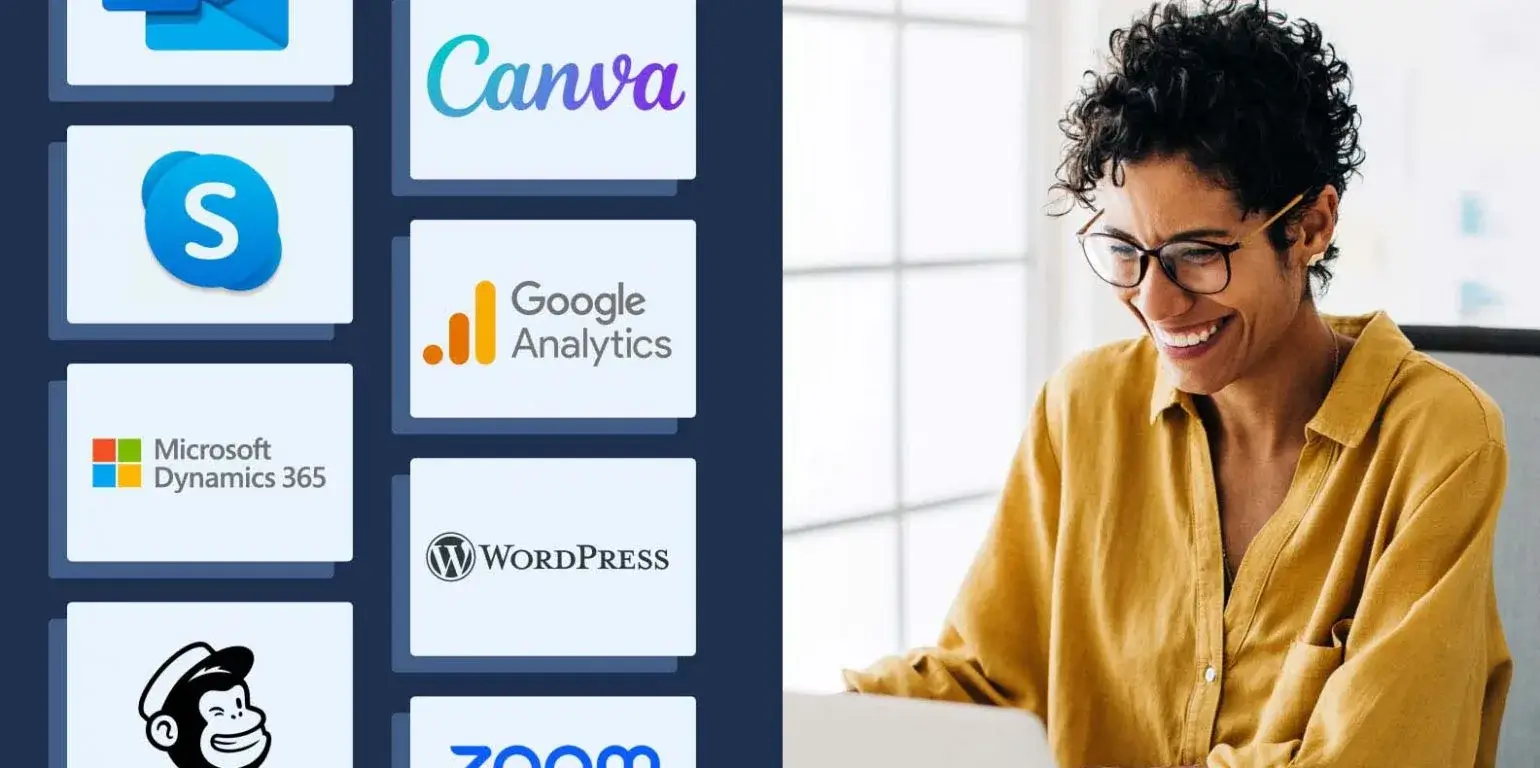
Canva has become one of the most popular design tools in the world—and for good reason. It combines simplicity with powerful features, making it ideal for marketers, small business owners, and content creators. Whether you’re designing Instagram posts, YouTube thumbnails, presentations, or ad creatives, Canva provides everything you need in one place.
What makes Canva stand out is its ability to simplify complex design tasks. With thousands of pre-designed templates and a drag-and-drop editor, you can create professional-quality visuals in minutes. Its AI-powered tools, such as Magic Design and text generators, further enhance productivity by automating design suggestions and content creation.
For marketing teams, Canva also offers brand kits, allowing you to maintain consistent colors, fonts, and logos across all designs. This is especially useful for building a strong and recognizable brand identity.
Why Canva is great for marketing:
- Easy to use, even for beginners
- Huge library of templates for ads and social media
- Built-in AI tools for faster content creation
- Supports team collaboration and brand consistency
2. Adobe Photoshop – Best for Professional Design

Adobe Photoshop is widely regarded as the industry standard for image editing and graphic design. It offers unmatched control, precision, and flexibility, making it the go-to choice for professional designers and advanced marketers.
Unlike beginner-friendly tools, Photoshop provides deep customization options. You can create highly detailed designs, manipulate images at a pixel level, and produce high-end marketing visuals that stand out in competitive markets. Its AI-powered features, such as Generative Fill, allow users to edit images faster and more creatively than ever before.
However, Photoshop comes with a learning curve. Beginners may find it overwhelming at first, but once mastered, it becomes an incredibly powerful tool for branding, advertising, and creative campaigns.
Why Photoshop is ideal for advanced users:
- Professional-grade editing capabilities
- High-quality output for branding and ads
- Advanced AI tools for faster workflows
- Unlimited creative control
3. Figma – Best for Team Collaboration
Figma has transformed the way teams collaborate on design projects. It’s a cloud-based platform that allows multiple users to work on the same design in real time, making it perfect for marketing teams, agencies, and startups.
While Figma is primarily known for UI/UX design, it’s also highly effective for creating marketing assets such as landing pages, website layouts, and digital campaigns. Its collaborative features eliminate the need for constant file sharing, enabling teams to brainstorm, edit, and finalize designs together seamlessly.
Figma also integrates well with other tools, helping streamline workflows and improve productivity. For businesses that rely on teamwork and fast iteration, Figma is a game-changer.
Why Figma stands out:
- Real-time collaboration with teams
- Cloud-based and accessible anywhere
- Great for landing pages and web design
- Efficient workflow for marketing projects
4. CorelDRAW – Best for Branding and Vector Design
CorelDRAW is a powerful vector design software that excels in creating logos, branding materials, and print designs. It’s particularly useful for businesses that need high-quality graphics for brochures, business cards, and promotional materials.
Unlike raster-based tools, CorelDRAW focuses on vector graphics, which means your designs can be scaled without losing quality. This is essential for branding, where consistency and clarity are crucial across different formats and sizes.
Although it may not be as beginner-friendly as Canva, CorelDRAW offers robust tools for designers who want precision and control over their work. It’s a reliable choice for businesses focused on building a strong visual identity.
Why CorelDRAW is valuable:
- Ideal for logo and brand design
- High-quality scalable graphics
Strong typography and layout tools
5. VistaCreate – Best for Social Media Content

VistaCreate is an excellent tool for creating engaging social media content quickly. It offers a wide range of templates, including animated designs, which are perfect for capturing attention on platforms like Instagram, Facebook, and TikTok.
The platform is easy to use and designed for marketers who need to produce content regularly. Its animation features help bring designs to life, making your posts more dynamic and engaging compared to static visuals.
While it doesn’t have as many templates as Canva, VistaCreate still provides enough variety for most marketing needs. It’s a great option for individuals and small businesses focused on social media growth.
Why VistaCreate is great for social media:
- Animated templates for higher engagement
- Simple and intuitive interface
Affordable pricing for small businesses
Key Factors to Consider When Choosing Design Software
Choosing the right design software depends on your specific marketing goals, budget, and level of expertise. Instead of picking the most popular tool, it’s important to evaluate what features matter most to you.
First, consider ease of use. If you’re a beginner, a tool like Canva or VistaCreate will help you get started quickly. For advanced users, Photoshop or CorelDRAW may be more suitable.
Next, look at AI capabilities. Modern tools offer automation features that can save time and improve efficiency. From generating designs to editing images, AI can significantly enhance your workflow.
You should also evaluate templates and customization options. A good design tool should provide enough flexibility to create unique visuals while offering templates to speed up the process.
Pricing is another important factor. While some tools offer free plans, others require subscriptions. Make sure the features you get justify the cost.
Finally, think about your purpose. Are you creating social media posts, branding materials, or website designs? Different tools excel in different areas, so choose one that aligns with your needs.
FAQs
1. What is the best design software for marketing in 2026?
The best design software depends on your needs, but Canva is considered the top choice for most marketers. It offers an easy-to-use interface, thousands of templates, and powerful AI tools that help you create professional designs quickly. For advanced users, Adobe Photoshop remains the industry standard.
2. Which design tool is best for beginners?
For beginners, Canva and VistaCreate are the best options. Both platforms offer drag-and-drop editors, ready-made templates, and simple interfaces that make design easy—even if you have no prior experience.
3. Is free design software good enough for marketing?
Yes, free design tools can be very effective, especially for small businesses and beginners. Platforms like Canva and Figma offer free plans with powerful features. However, upgrading to paid plans unlocks premium templates, advanced tools, and better branding options.
4. What design software do professionals use?
Professional designers often use Adobe Photoshop and CorelDRAW for advanced editing, branding, and high-quality visuals. These tools provide greater control, precision, and customization compared to beginner-friendly platforms.
5. Which design software is best for social media marketing?
For social media marketing, Canva and VistaCreate are excellent choices. They offer pre-designed templates for platforms like Instagram, Facebook, and YouTube, helping you create engaging content quickly.
Who should use Digital Tools
Best Design Software for Marketing Success is built for readers who want a faster way to finish everyday web tasks. The main goal is shorter workflows, clearer outputs, and reusable tool habits, so the guide focuses on practical choices instead of broad theory.
Use it when you need one of these outcomes:
- testing a task before choosing a heavier app
- saving time on a repeated browser workflow
- combining a guide with a related AltFTool utility
How to get a better result
- Read the core use case and decide what output you need.
- Open the related AltFTool utility and test it with a small sample.
- Review the result, adjust settings, and repeat only if needed.
- Continue with related tools or guides for the next step in the workflow.
Start small, check the first output, and only then repeat the workflow with the full file, text, media, or game session. That gives you a quick quality check before you spend more time.
Quality checks before you trust the output
- the input is clean before running the tool
- the output matches the format you need
- private details are removed before sharing or downloading
Do not overcomplicate a simple task. Start with the smallest sample that proves the workflow, then scale up once the output looks right.
Continue your workflow
If you want to try the workflow now, open the related AltFTool tool area. For more reading, continue through the Digital Tools archive or the AltFTool tools directory.
This creates a cleaner path from explanation to action: read the guide, test the tool, compare the output, and move into the next related AltFTool resource only when it helps the task.
Reader questions
Quick answers
What is Best Design Software for Marketing Success about?
In today’s fast-paced digital world, marketing is no longer just about words—it’s about visuals that capture attention, communicate value, and drive engagement.
When should I use Digital Tools?
Use Digital Tools when you need testing a task before choosing a heavier app or saving time on a repeated browser workflow. It is best for shorter workflows, clearer outputs, and reusable tool habits.
How do I get better results from Digital Tools?
Start with a small sample, then check that the input is clean before running the tool and the output matches the format you need. Review the output before using it in a final workflow.
Where can I find more Digital Tools guides?
Use the AltFTool blog archive, AltFTool tools directory, and related links on this page to explore more Digital Tools tutorials, tool workflows, and practical recommendations.
Sources and review notes
References used to check facts, freshness, and reader-safe recommendations in this guide.
Reviewed against AltFTool editorial guidance, related site archives, and linked tool pages for freshness and reader usefulness.
- 1AltFTool Digital Tools archive
AltFTool
- 2AltFTool tools directory
AltFTool
Discussion
0 comments
No comments yet
Discussion will appear here once it loads.