With over 300 hours of research and hands-on testing across 15+ digital design tools, our in-house experts and I have shortlisted the top five design platforms for 2026. Whether you’re exploring the latest Tech Deals or comparing Internet Plans to support your creative workflow, choosing the right design tool is just as important for productivity and results.
Canva remains our number one choice, offering an easy-to-use interface, powerful AI features, and thousands of ready-made templates—making it perfect for beginners, creators, and professionals alike.
In this guide, I’ll walk you through the features, pricing, pros, and limitations of each top-rated design tool, so you can find the perfect fit for your creative needs while making smarter decisions around your Tech Deals and Internet Plans.
How We Test Digital Design Tools

- 15+ major design tools tested
- 6 core areas analyzed, including usability, features, and pricing
- 200+ individual testing factors
- 300+ hours spent designing, editing, and comparing tools
- Independent, unbiased recommendations from experts
Digital Design Tools Comparison Table
Here’s a quick overview of our top picks:
| Tool | Rating | Best Price | Free Plan | Templates | Best For |
| Canva | ⭐ 4.9 | $12.99/mo | Yes | 250K+ | Beginners & social media |
| Adobe Photoshop | ⭐ 4.8 | $20.99/mo | No | Custom | Professional designers |
| Figma | ⭐ 4.7 | Free / $12/mo | Yes | Limited | UI/UX design |
| Adobe Illustrator | ⭐ 4.6 | $22.99/mo | No | Custom | Vector graphics |
| CorelDRAW | ⭐ 4.5 | $249/year | Trial | Custom | Advanced design work |
Key Takeaways
- Canva is the best all-in-one design tool for ease of use and speed
- Adobe tools offer advanced customization but require learning
- Figma is ideal for UI/UX and collaborative design
- Pricing ranges from free to premium professional plans
- AI-powered tools are now included in almost all platforms
1. Canva: Best All-in-One Design Tool
Starting price: $12.99/month
AI tools: Yes
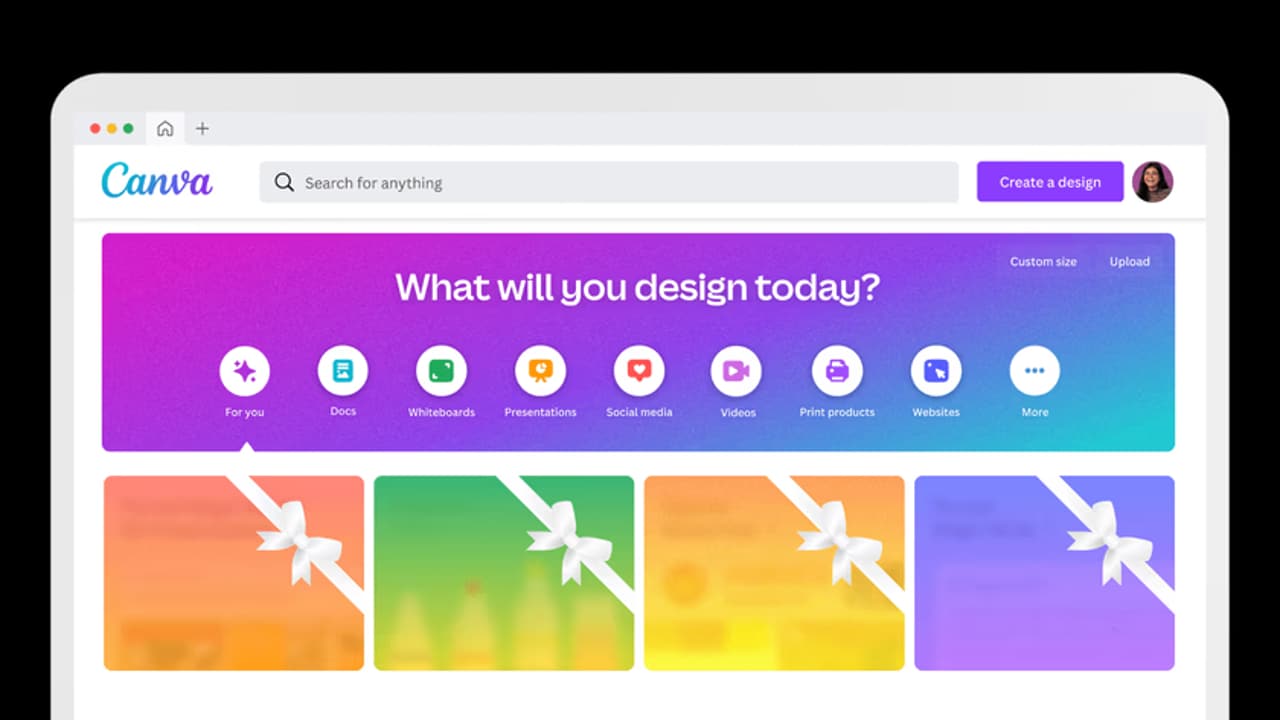
Canva is the easiest design platform I’ve tested. Its drag-and-drop editor, massive template library, and AI features make designing quick and effortless.
✔️ Pros
- Beginner-friendly interface
- 250K+ templates
- AI image & text generation
- Social media integrations
❌ Cons
- Limited advanced editing
- Not ideal for complex designs
Why Use Canva in 2026?
Canva simplifies design for everyone. Whether you’re creating Instagram posts, presentations, or marketing graphics, it helps you design in minutes.
2. Adobe Photoshop: Best for Professional Editing
Starting price: $20.99/month
AI tools: Yes
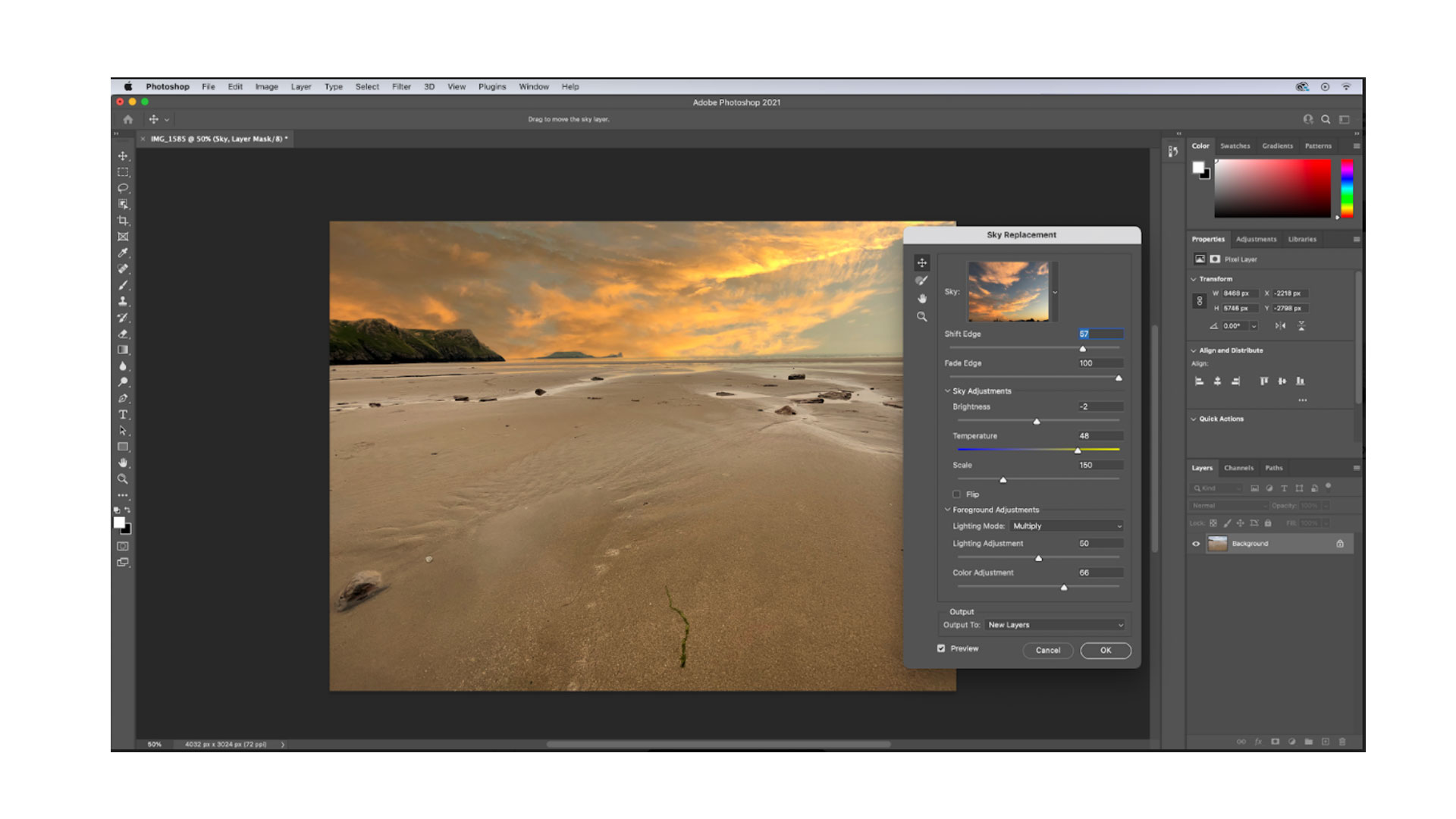
Adobe Photoshop is the industry standard for photo editing and advanced graphic design.
✔️ Pros
- Advanced editing tools
- AI-powered features (Generative Fill)
- High-quality output
❌ Cons
- Steep learning curve
- Expensive
Why Use Photoshop in 2026?
Perfect for professionals who need precision, control, and advanced editing capabilities.
3. Figma: Best for UI/UX Design

Starting price: Free / $12/month
Figma is a powerful cloud-based design tool used for UI/UX and team collaboration.
✔️ Pros
- Real-time collaboration
- Browser-based
- Great for prototyping
❌ Cons
- Requires internet
- Limited offline support
Why Use Figma in 2026?
Figma is ideal for teams working on apps, websites, and user interfaces together.
4. Adobe Illustrator: Best for Vector Graphics
Starting price: $22.99/month
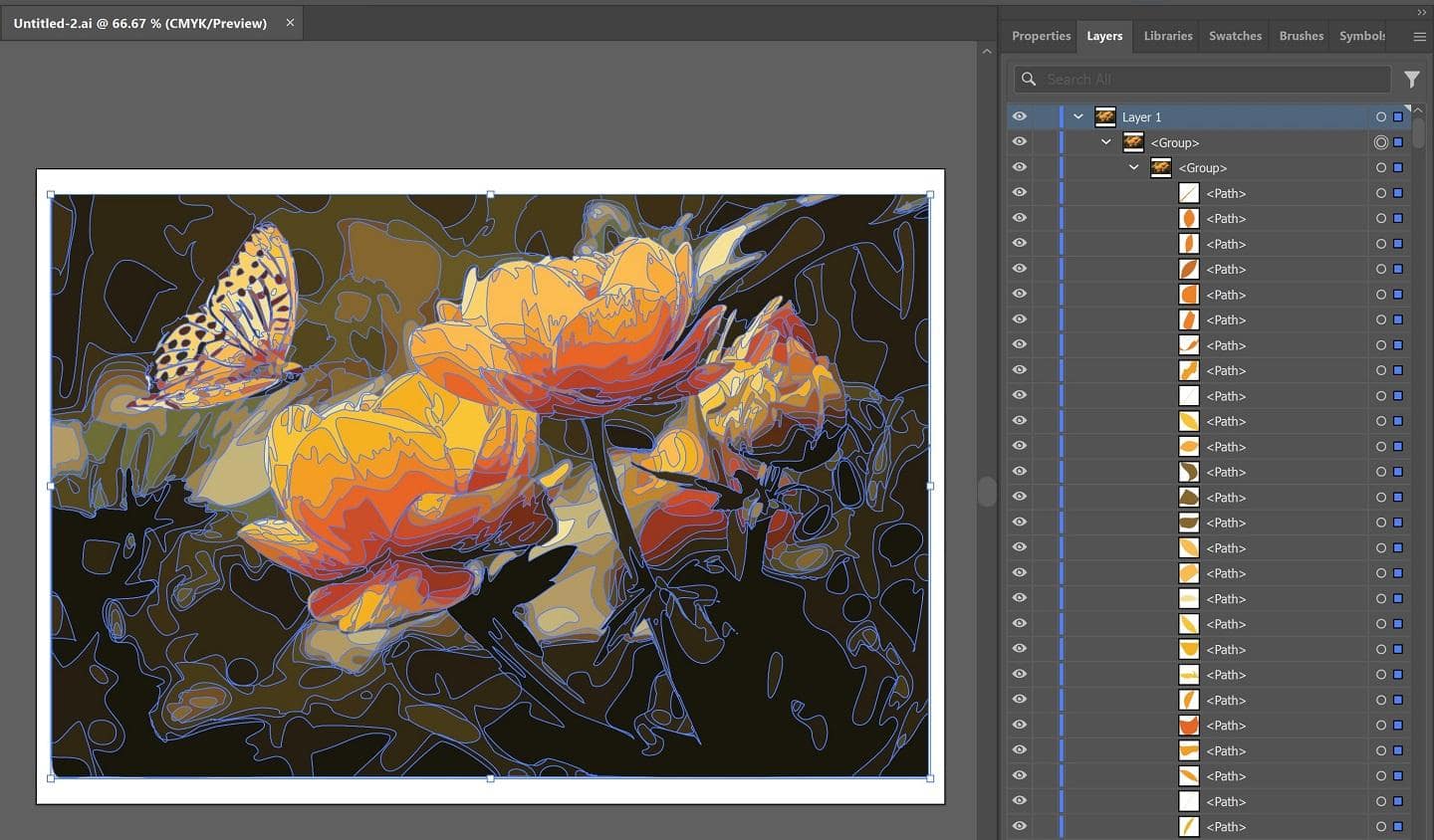
Adobe Illustrator is the go-to tool for logos, icons, and scalable graphics.
✔️ Pros
- Precision vector tools
- Industry standard
- Works with other Adobe apps
❌ Cons
- Complex for beginners
- Subscription-based
Why Use Illustrator in 2026?
Best choice for branding, logo design, and professional illustrations.
5. CorelDRAW: Best for Advanced Designers
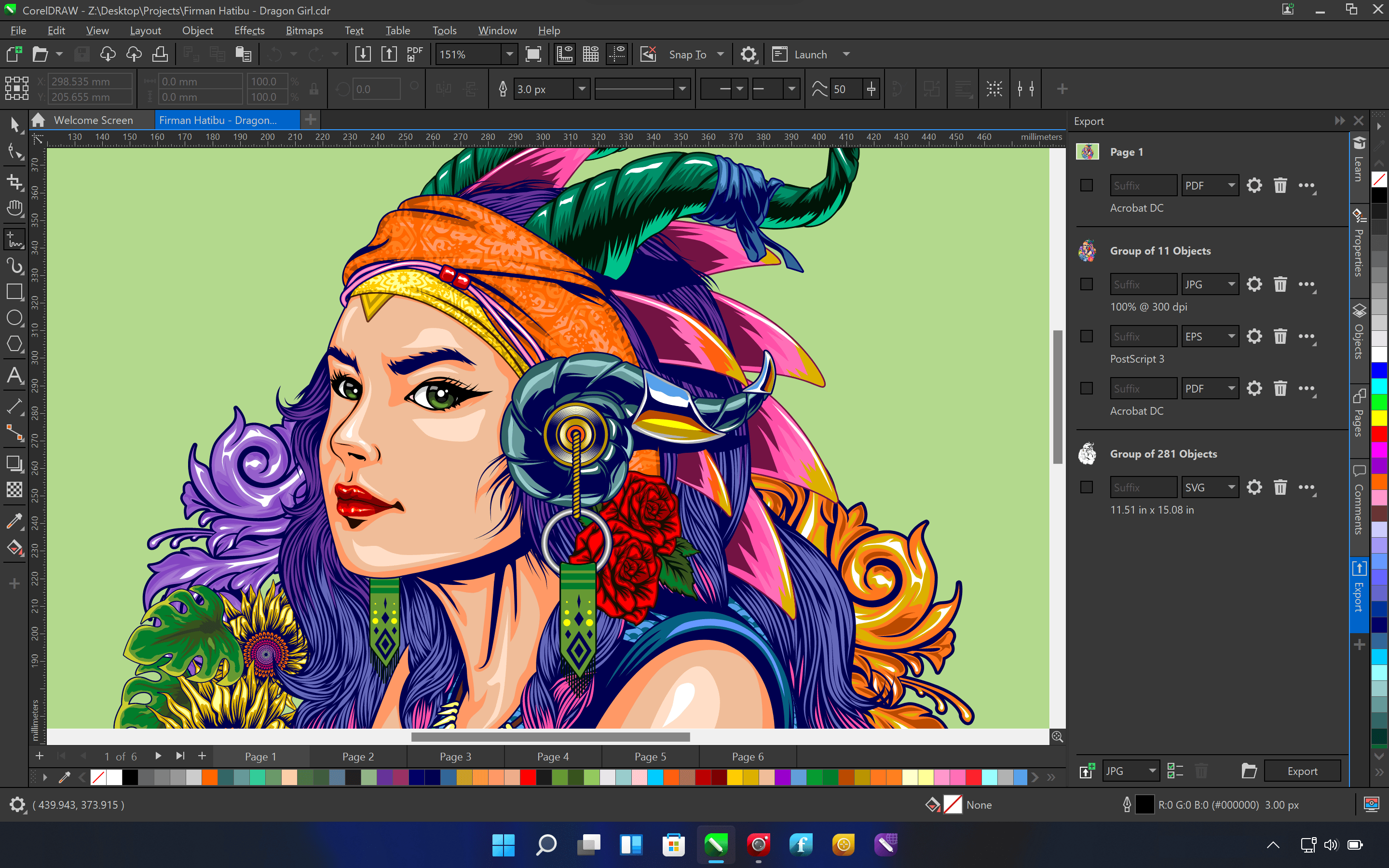
Starting price: $249/year
CorelDRAW offers powerful tools for professional-level design and layout work.
✔️ Pros
- Advanced features
- Great for print design
- One-time purchase option
❌ Cons
- Less popular than Adobe
- Learning curve
Why Use CorelDRAW in 2026?
Ideal for experienced designers who need powerful tools for detailed projects.
How to Choose the Right Design Tool
When selecting a digital design tool, consider these factors:
- Ease of Use – Beginner or professional?
- Features – Do you need AI, templates, or advanced tools?
- Budget – Free vs premium tools
- Purpose – Social media, UI/UX, branding, or editing
- Collaboration – Team or solo work
- Scalability – Will it grow with your needs?
Can You Switch Design Tools?
Yes, but switching tools isn’t always easy. You may need to:
- Recreate designs
- Learn a new interface
- Transfer assets manually
However, many tools now support file imports and integrations, making the transition smoother.
Which Tool Should You Choose?
After extensive testing, Canva stands out as the best overall digital design tool for 2026 due to its simplicity, affordability, and powerful features.
That said:
- Choose Photoshop for advanced editing
- Choose Figma for UI/UX design
- Choose Illustrator for vector graphics
- Choose CorelDRAW for professional work
FAQs
1. What are digital design tools?
Digital design tools are software applications used to create visuals such as graphics, logos, social media posts, UI designs, and illustrations. Popular tools include Canva, Adobe Photoshop, and Figma.
2. Which is the best digital design tool for beginners?
For beginners, Canva is the best option because of its simple drag-and-drop interface, ready-made templates, and easy learning curve.
3. What is the best tool for professional designers?
Professional designers prefer tools like Adobe Photoshop and Adobe Illustrator for advanced editing, precision, and creative control.
4. Are there any free digital design tools available?
Yes, many tools offer free plans. Canva and Figma provide powerful free versions suitable for beginners and small projects.
5. Which design tool is best for UI/UX design?
Figma is one of the best tools for UI/UX design due to its real-time collaboration, prototyping features, and cloud-based workflow.
Who should use Digital Tools
Ultimate Guide to Digital Design Tools is built for readers who want a faster way to finish everyday web tasks. The main goal is shorter workflows, clearer outputs, and reusable tool habits, so the guide focuses on practical choices instead of broad theory.
Use it when you need one of these outcomes:
- testing a task before choosing a heavier app
- saving time on a repeated browser workflow
- combining a guide with a related AltFTool utility
How to get a better result
- Read the core use case and decide what output you need.
- Open the related AltFTool utility and test it with a small sample.
- Review the result, adjust settings, and repeat only if needed.
- Continue with related tools or guides for the next step in the workflow.
Start small, check the first output, and only then repeat the workflow with the full file, text, media, or game session. That gives you a quick quality check before you spend more time.
Quality checks before you trust the output
- the input is clean before running the tool
- the output matches the format you need
- private details are removed before sharing or downloading
Do not overcomplicate a simple task. Start with the smallest sample that proves the workflow, then scale up once the output looks right.
Continue your workflow
If you want to try the workflow now, open the related AltFTool tool area. For more reading, continue through the Digital Tools archive or the AltFTool tools directory.
This creates a cleaner path from explanation to action: read the guide, test the tool, compare the output, and move into the next related AltFTool resource only when it helps the task.
Reader questions
Quick answers
What is Ultimate Guide to Digital Design Tools about?
With over 300 hours of research and hands-on testing across 15+ digital design tools, our in-house experts and I have shortlisted the top five design platforms
When should I use Digital Tools?
Use Digital Tools when you need testing a task before choosing a heavier app or saving time on a repeated browser workflow. It is best for shorter workflows, clearer outputs, and reusable tool habits.
How do I get better results from Digital Tools?
Start with a small sample, then check that the input is clean before running the tool and the output matches the format you need. Review the output before using it in a final workflow.
Where can I find more Digital Tools guides?
Use the AltFTool blog archive, AltFTool tools directory, and related links on this page to explore more Digital Tools tutorials, tool workflows, and practical recommendations.
Sources and review notes
References used to check facts, freshness, and reader-safe recommendations in this guide.
Reviewed against AltFTool editorial guidance, related site archives, and linked tool pages for freshness and reader usefulness.
- 1AltFTool Digital Tools archive
AltFTool
- 2AltFTool tools directory
AltFTool
Discussion
0 comments
No comments yet
Discussion will appear here once it loads.