
Maintaining a home doesn’t always require expensive equipment or professional help. With a set of affordable DIY tools, you can easily handle everyday repairs, small upgrades, and basic maintenance tasks. Whether you are new to DIY or already have some experience, having the right tools at home can save both time and money while making your life more convenient.
Why Every Homeowner Needs DIY Tools

Owning basic tools gives you the freedom to manage small household problems on your own. Instead of waiting for a technician or spending money on minor repairs, you can fix things immediately. Over time, this not only reduces your expenses but also helps you become more confident and skilled in handling home-related tasks.
DIY tools are not just about repairs; they also allow you to personalize your space. From setting up furniture to decorating walls, these tools help you create a home that reflects your style.
Must-Have Affordable DIY Tools
A hammer is one of the most essential tools for any homeowner. It is useful for driving nails, removing them, and performing basic repair work. A comfortable grip and balanced weight make it easier to use for longer periods.
A screwdriver set is another must-have. It is needed for assembling furniture, fixing appliances, and tightening or loosening screws. A set that includes both flathead and Phillips screwdrivers ensures you are prepared for different types of tasks.
A measuring tape plays a crucial role in maintaining accuracy. Whether you are placing furniture, installing shelves, or planning a small project, proper measurements help avoid mistakes and ensure better results.
An adjustable wrench is highly useful for plumbing tasks and mechanical fixes. Its adjustable design allows it to fit different sizes of nuts and bolts, making it a versatile addition to your toolkit.
A utility knife is a simple yet powerful tool that helps in cutting materials like cardboard, plastic, rope, and packaging. It is compact, affordable, and extremely handy for everyday use.
Pliers are important for gripping, bending, and cutting wires. They are especially useful for electrical fixes and small repair jobs that require precision.
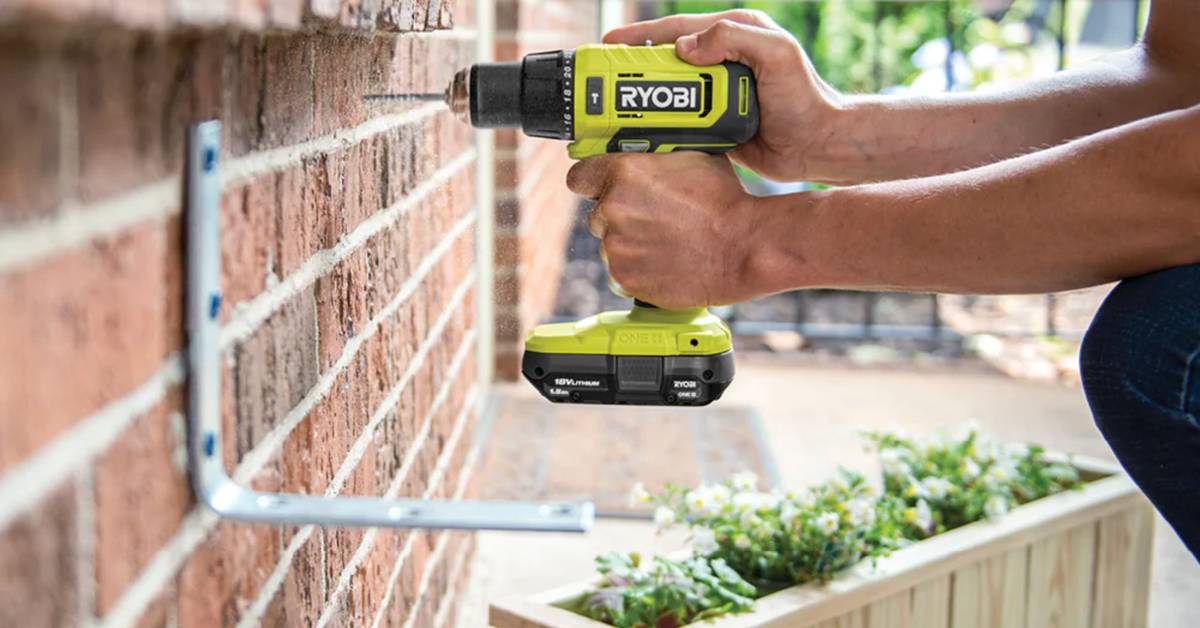
A cordless drill is one of the most valuable tools you can own. It makes drilling holes and driving screws faster and more efficient. Even budget-friendly drills are powerful enough for most home improvement tasks.
Expanding Your Toolkit Over Time
Once you have the basic tools, you can gradually add more items based on your needs. Tools like a level help ensure straight installations, while an Allen key set is useful for assembling modern furniture. Safety equipment such as gloves and goggles is also important to protect yourself while working.
Building your toolkit slowly allows you to invest wisely without overspending, while still being prepared for a variety of tasks.
Choosing the Right Tools on a Budget
When buying DIY tools, it’s important to focus on quality rather than just price. Cheap tools may save money initially but can wear out quickly. Choosing durable and reliable tools ensures better performance and long-term value.
It is also a good idea to look for combo toolkits, as they often provide better value than buying individual items. Reading customer reviews can help you find affordable yet trustworthy options. Starting with the basics and upgrading gradually is always the smartest approach.
Benefits of Having DIY Tools at Home
Having your own tools allows you to handle common household issues without relying on outside help. Simple tasks like fixing loose handles, hanging wall decor, or assembling furniture become quick and easy.
Over time, these small efforts lead to significant savings. Instead of paying for minor repairs repeatedly, you invest once in tools and use them whenever needed. Additionally, DIY projects can improve your home’s appearance and functionality.
Safety While Using DIY Tools
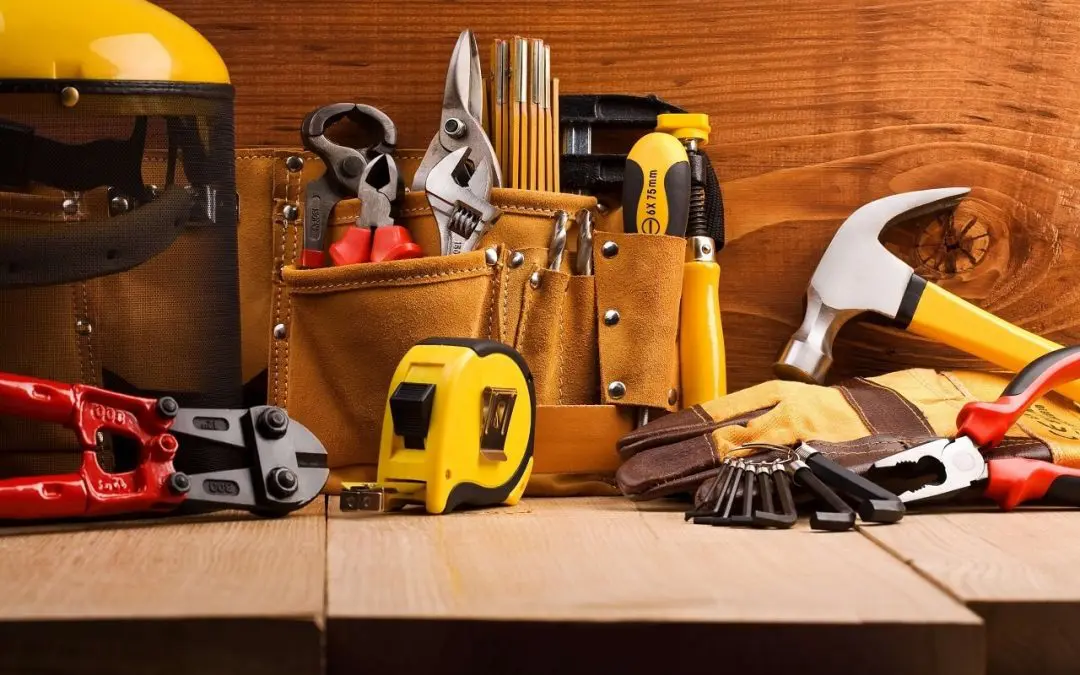
Safety should always be a priority when working with tools. Even basic tools can cause injury if not handled properly. It is important to work carefully, use protective gear when needed, and keep your tools in good condition.
Always store tools safely after use and ensure your workspace is clean and well-lit. Following these simple precautions helps prevent accidents and ensures a smooth DIY experience.
FAQs
1. What are the most important DIY tools for beginners?
Beginners should start with a hammer, screwdriver set, measuring tape, pliers, and an adjustable wrench.
2. Are budget-friendly tools reliable?
Yes, many affordable tools are reliable if you choose good-quality brands and maintain them properly.
3. Is a cordless drill necessary for home use?
It is not essential, but it makes many tasks faster and easier, especially drilling and screwing.
4. How can I make my tools last longer?
Keep them clean, store them properly, and use them carefully to ensure long life.
5. Can DIY tools really reduce home maintenance costs?
Yes, they help you handle small repairs yourself, saving money on professional services.
Who should use Home & Decor
Top Affordable DIY Tools Every Homeowner Should Have is built for readers who want a faster way to finish everyday web tasks. The main goal is shorter workflows, clearer outputs, and reusable tool habits, so the guide focuses on practical choices instead of broad theory.
Use it when you need one of these outcomes:
- testing a task before choosing a heavier app
- saving time on a repeated browser workflow
- combining a guide with a related AltFTool utility
How to get a better result
- Read the core use case and decide what output you need.
- Open the related AltFTool utility and test it with a small sample.
- Review the result, adjust settings, and repeat only if needed.
- Continue with related tools or guides for the next step in the workflow.
Start small, check the first output, and only then repeat the workflow with the full file, text, media, or game session. That gives you a quick quality check before you spend more time.
Quality checks before you trust the output
- the input is clean before running the tool
- the output matches the format you need
- private details are removed before sharing or downloading
Do not overcomplicate a simple task. Start with the smallest sample that proves the workflow, then scale up once the output looks right.
Continue your workflow
If you want to try the workflow now, open the related AltFTool tool area. For more reading, continue through the Home & Decor archive or the AltFTool tools directory.
This creates a cleaner path from explanation to action: read the guide, test the tool, compare the output, and move into the next related AltFTool resource only when it helps the task.
Reader questions
Quick answers
What is Top Affordable DIY Tools Every Homeowner Should Have about?
Maintaining a home doesn’t always require expensive equipment or professional help. With a set of affordable DIY tools, you can easily handle everyday repairs,
When should I use Home & Decor?
Use Home & Decor when you need testing a task before choosing a heavier app or saving time on a repeated browser workflow. It is best for shorter workflows, clearer outputs, and reusable tool habits.
How do I get better results from Home & Decor?
Start with a small sample, then check that the input is clean before running the tool and the output matches the format you need. Review the output before using it in a final workflow.
Where can I find more Home & Decor guides?
Use the AltFTool blog archive, AltFTool tools directory, and related links on this page to explore more Home & Decor tutorials, tool workflows, and practical recommendations.
Sources and review notes
References used to check facts, freshness, and reader-safe recommendations in this guide.
Reviewed against AltFTool editorial guidance, related site archives, and linked tool pages for freshness and reader usefulness.
- 1AltFTool Home & Decor archive
AltFTool
- 2AltFTool tools directory
AltFTool
Discussion
0 comments
No comments yet
Discussion will appear here once it loads.