
Starting a fitness journey can feel overwhelming, especially if you are new to exercise and healthy living. With so much information available online about workouts, diets, and fitness programs, beginners often struggle to know where to start. The good news is that getting in shape does not require complicated routines or expensive gym memberships. With the right mindset, a simple plan, and consistent effort, anyone can begin their fitness journey and improve their overall health.
Fitness is not only about losing weight or building muscles. It is about creating a healthier lifestyle that improves energy levels, strengthens the body, boosts mental health, and enhances overall well-being. For beginners, the key is to start slowly, stay consistent, and focus on building healthy habits that last in the long term.
This ultimate fitness guide will help beginners understand how to start exercising, build a workout routine, maintain motivation, and create a sustainable fitness lifestyle.
Why Fitness Is Important for Overall Health
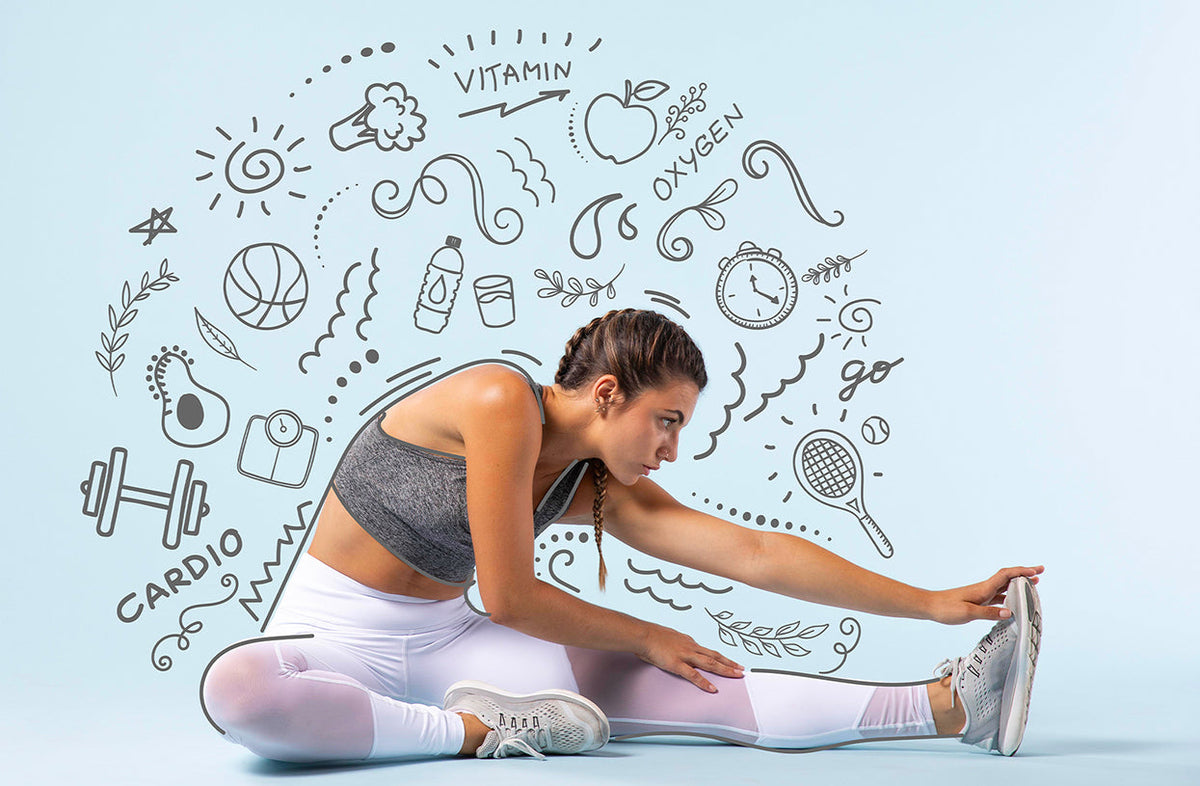
Regular exercise plays a vital role in maintaining both physical and mental health. When you exercise consistently, your body becomes stronger, your endurance improves, and your immune system becomes more resilient.
Fitness can help reduce the risk of many health issues such as heart disease, obesity, and high blood pressure. It also improves mental health by reducing stress, anxiety, and depression. Physical activity releases endorphins, which are natural mood boosters that help you feel happier and more energized.
Additionally, regular workouts improve sleep quality, increase productivity, and enhance concentration. When your body is active and healthy, it becomes easier to perform daily tasks and maintain a positive outlook on life.
Setting Realistic Fitness Goals

One of the biggest mistakes beginners make is setting unrealistic fitness goals. Many people expect quick results, which often leads to disappointment and loss of motivation.
Instead, focus on small and achievable goals. For example, you might aim to exercise three times a week, walk 8,000 to 10,000 steps daily, or complete a 20-minute workout regularly. These simple goals help build consistency and confidence.
Over time, as your strength and endurance improve, you can gradually increase the intensity and duration of your workouts. Remember that fitness is a long-term journey, not a quick fix.
Simple Exercises for Beginners
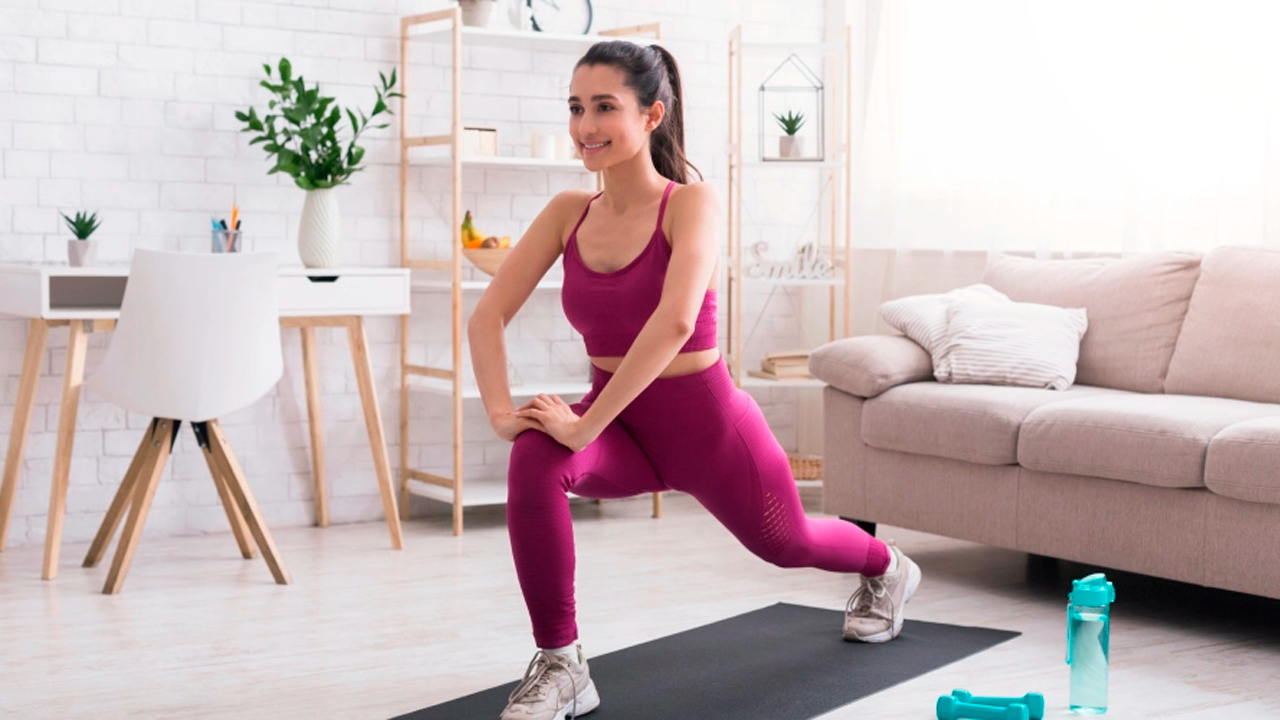
Beginners should start with basic exercises that target multiple muscle groups and improve overall fitness. These exercises are easy to perform and do not require advanced training.
Walking or Light Cardio
Walking is one of the best ways to begin your fitness journey. It improves cardiovascular health, burns calories, and increases stamina. Aim for at least 20–30 minutes of walking daily.
Bodyweight Exercises
Bodyweight workouts are perfect for beginners because they require no equipment and help build strength naturally. Some effective bodyweight exercises include:
- Squats
- Push-ups
- Lunges
- Planks
- Jumping jacks
These exercises strengthen muscles, improve balance, and increase endurance.
Stretching and Flexibility
Stretching is an important part of any fitness routine. It improves flexibility, prevents injuries, and helps muscles recover faster after workouts.
Simple stretching exercises like hamstring stretches, shoulder rolls, and yoga poses can help maintain mobility and reduce muscle stiffness.
Creating a Beginner Workout Routine
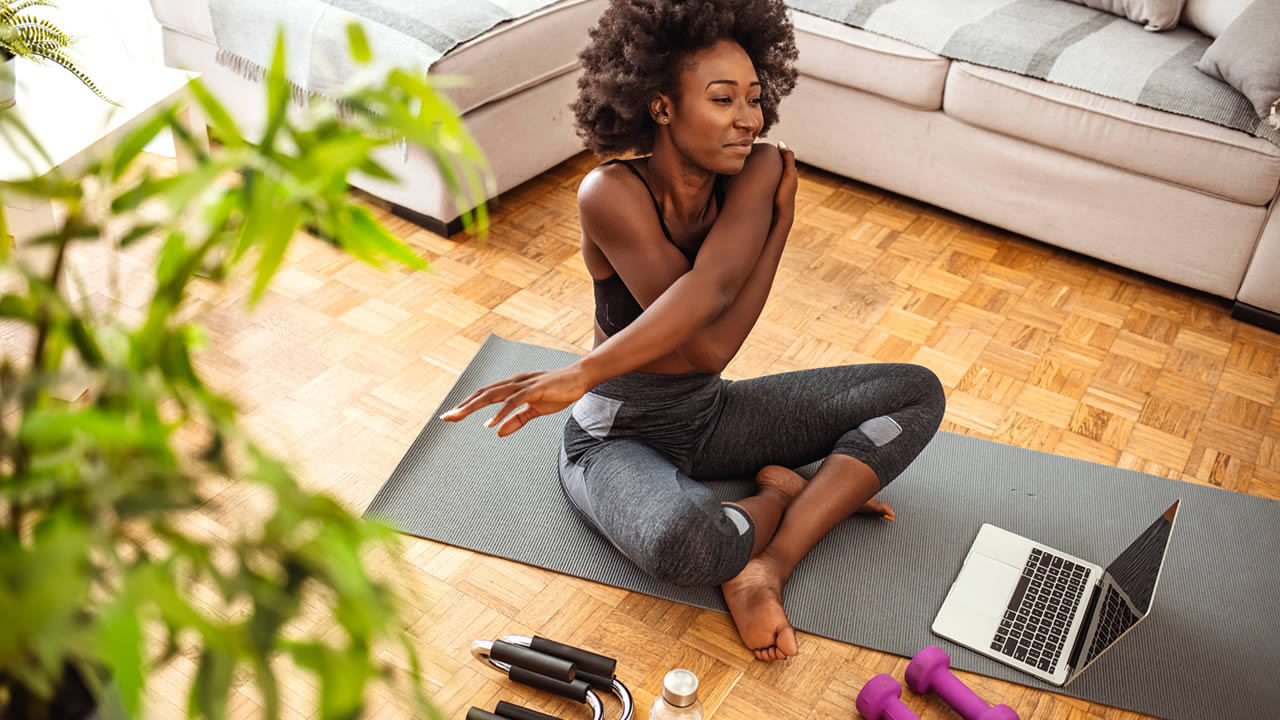
A simple and balanced workout routine is essential for beginners. The goal is to combine different types of exercise to improve overall fitness.
A beginner weekly workout routine might look like this:
Day 1: Cardio workout (walking or cycling)
Day 2: Strength training with bodyweight exercises
Day 3: Rest or light stretching
Day 4: Cardio workout
Day 5: Strength training
Day 6: Light activity like yoga or walking
Day 7: Rest and recovery
This balanced routine allows your body to adapt to exercise without overtraining.
The Importance of Proper Nutrition
Exercise alone is not enough to achieve fitness goals. Proper nutrition plays an equally important role in supporting physical activity and overall health.
A balanced diet should include:
- Protein for muscle repair and growth
- Healthy carbohydrates for energy
- Healthy fats for overall body function
- Vitamins and minerals from fruits and vegetables
Drinking enough water is also essential. Hydration helps maintain energy levels, improves digestion, and supports muscle recovery.
Avoid extreme diets or skipping meals. Instead, focus on eating balanced and nutritious meals that fuel your body.
Staying Consistent with Your Fitness Routine

Consistency is the most important factor in achieving fitness success. Many beginners start with enthusiasm but lose motivation after a few weeks.
To stay consistent, try these strategies:
- Schedule workouts at a specific time each day
- Track your progress in a fitness journal
- Set weekly fitness goals
- Exercise with a friend or join a fitness group
- Celebrate small achievements along the way
Remember that progress takes time. Even small improvements in strength, endurance, or flexibility are signs that your body is getting healthier.
Common Mistakes Beginners Should Avoid
Many beginners make mistakes that can slow down their progress or lead to injuries. Being aware of these mistakes can help you stay on track.
Some common mistakes include:
- Overtraining without proper rest
- Skipping warm-ups and stretching
- Expecting instant results
- Following extreme diet plans
- Comparing yourself to others
Fitness is a personal journey, and everyone progresses at their own pace. Focus on improving your own performance rather than competing with others.
Building a Long-Term Fitness Lifestyle
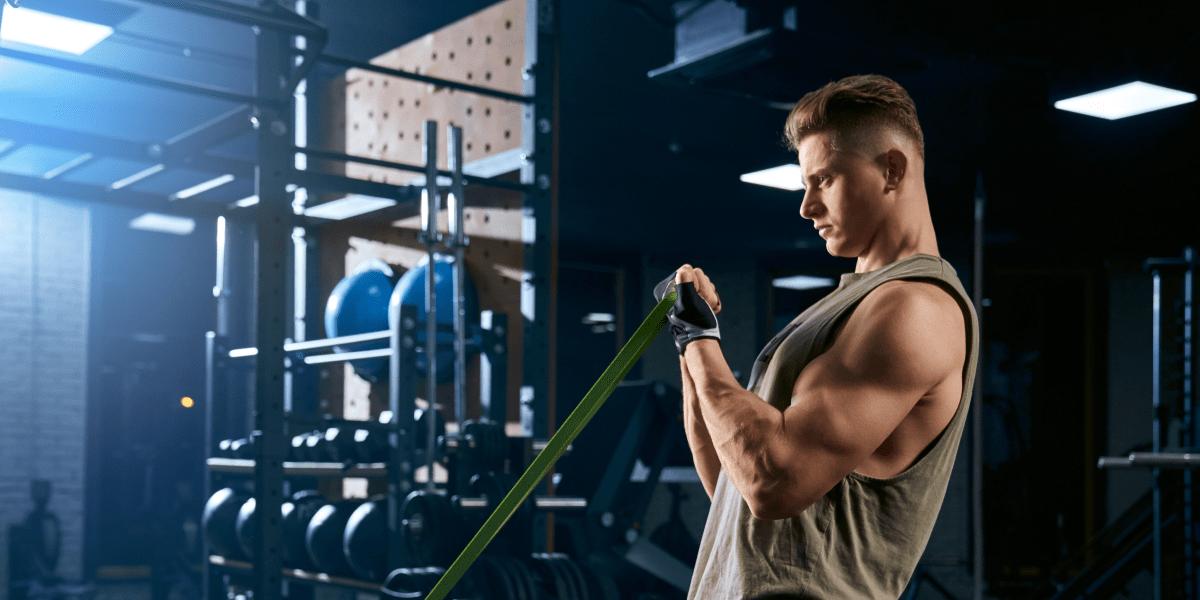
Fitness should not be seen as a short-term goal but as a lifelong commitment to health and well-being. Instead of focusing only on weight loss or appearance, prioritize overall health and happiness.
Try to incorporate physical activity into your daily routine. Take the stairs instead of the elevator, go for evening walks, or practice yoga at home. These small habits can make a big difference over time.
As your fitness level improves, you can explore new activities such as swimming, cycling, strength training, or group fitness classes. The key is to find activities you enjoy so that staying active becomes a natural part of your lifestyle.
Frequently Asked Questions (FAQ)
1. How often should beginners exercise?
Beginners should aim to exercise at least 3–4 times per week with a combination of cardio, strength training, and stretching.
2. How long should beginner workouts last?
A beginner workout can last 20–40 minutes, depending on fitness level and energy.
3. Do beginners need to join a gym?
No, beginners can start exercising at home with bodyweight exercises, walking, or simple workouts.
4. How long does it take to see fitness results?
Most people begin noticing improvements in 4–6 weeks with consistent exercise and healthy eating.
5. Is diet important for fitness beginners?
Yes, a balanced diet provides the energy and nutrients needed for workouts, muscle recovery, and overall health.
Who should use Fitness
The Ultimate Fitness Guide for Beginners to Get in Shape is built for readers who want a faster way to finish everyday web tasks. The main goal is shorter workflows, clearer outputs, and reusable tool habits, so the guide focuses on practical choices instead of broad theory.
Use it when you need one of these outcomes:
- testing a task before choosing a heavier app
- saving time on a repeated browser workflow
- combining a guide with a related AltFTool utility
How to get a better result
- Read the core use case and decide what output you need.
- Open the related AltFTool utility and test it with a small sample.
- Review the result, adjust settings, and repeat only if needed.
- Continue with related tools or guides for the next step in the workflow.
Start small, check the first output, and only then repeat the workflow with the full file, text, media, or game session. That gives you a quick quality check before you spend more time.
Quality checks before you trust the output
- the input is clean before running the tool
- the output matches the format you need
- private details are removed before sharing or downloading
Do not overcomplicate a simple task. Start with the smallest sample that proves the workflow, then scale up once the output looks right.
Continue your workflow
If you want to try the workflow now, open the related AltFTool tool area. For more reading, continue through the Fitness archive or the AltFTool tools directory.
This creates a cleaner path from explanation to action: read the guide, test the tool, compare the output, and move into the next related AltFTool resource only when it helps the task.
Reader questions
Quick answers
What is The Ultimate Fitness Guide for Beginners to Get in Shape about?
Starting a fitness journey can feel overwhelming, especially if you are new to exercise and healthy living. With so much information available online about work
When should I use Fitness?
Use Fitness when you need testing a task before choosing a heavier app or saving time on a repeated browser workflow. It is best for shorter workflows, clearer outputs, and reusable tool habits.
How do I get better results from Fitness?
Start with a small sample, then check that the input is clean before running the tool and the output matches the format you need. Review the output before using it in a final workflow.
Where can I find more Fitness guides?
Use the AltFTool blog archive, AltFTool tools directory, and related links on this page to explore more Fitness tutorials, tool workflows, and practical recommendations.
Sources and review notes
References used to check facts, freshness, and reader-safe recommendations in this guide.
Reviewed against AltFTool editorial guidance, related site archives, and linked tool pages for freshness and reader usefulness.
- 1AltFTool Fitness archive
AltFTool
- 2AltFTool tools directory
AltFTool
Discussion
1 comment
No comments yet
Discussion will appear here once it loads.