
Creating a luxurious home doesn’t always mean spending a fortune. In fact, some of the most elegant interiors you see in magazines are carefully curated using smart, budget-friendly strategies rather than extravagant purchases. Professional interior designers know how to blend high-end aesthetics with affordable elements, and the truth is, you can do the same. With the right choices in furniture, textures, colors, lighting, and accessories, you can transform your home into a sophisticated space without overspending. This guide reveals the insider secrets designers often keep to themselves, helping you achieve a luxury look on a realistic budget.
Understanding What “Luxury” Really Means in Home Decor
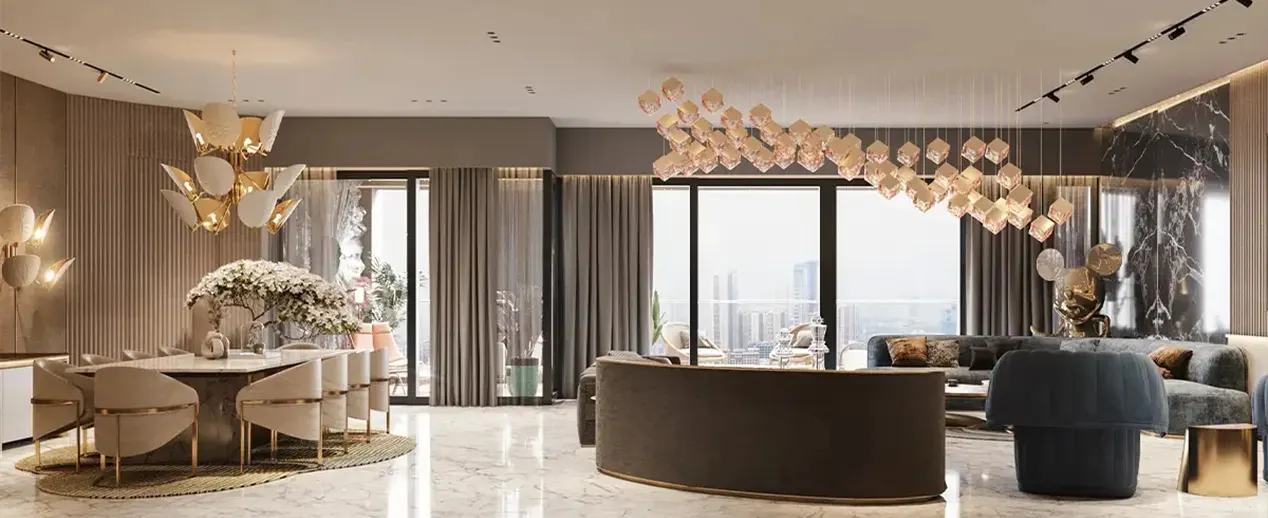
Luxury is not defined by price tags—it’s about how a space feels. A luxurious home looks cohesive, polished, and intentional. It focuses on quality over quantity and emphasizes details like symmetry, texture, and balance. Instead of filling your home with expensive items, designers choose a few statement pieces like a velvet sofa, marble coffee table, or gold-framed mirror, and then complement them with simpler, budget-friendly decor.
The key is to avoid clutter and create a sense of calm and elegance. A clean layout, coordinated color palette, and thoughtfully chosen decor items like ceramic vases, decorative trays, and linen curtains can instantly elevate your space.
Start with a Neutral Color Palette

One of the biggest secrets designers rely on is the use of neutral colors. Shades like beige, ivory, taupe, soft grey, and white create a timeless and sophisticated backdrop. These colors make a room feel airy and expensive without requiring costly materials.
You can incorporate neutral tones through wall paint, area rugs, sofa covers, and bed linens. To prevent the space from looking dull, layer different textures such as a knitted throw blanket, silk cushion covers, or a faux fur rug. This adds depth and richness while maintaining a cohesive look.
Invest in Statement Pieces (And Save on the Rest)

Luxury interiors often feature one or two standout elements that immediately catch the eye. These are called statement pieces, and they don’t have to be extremely expensive if you shop smartly.
Consider investing in items like a tufted headboard, accent armchair, chandelier, or a large wall mirror. These pieces act as focal points and set the tone for the entire room. Once you have a statement item, you can pair it with more affordable decor like side tables, lamps, and decor accents from budget stores.
The trick is balance—mix high-impact items with subtle ones to create a harmonious space.
Use Lighting to Create a Luxurious Ambience
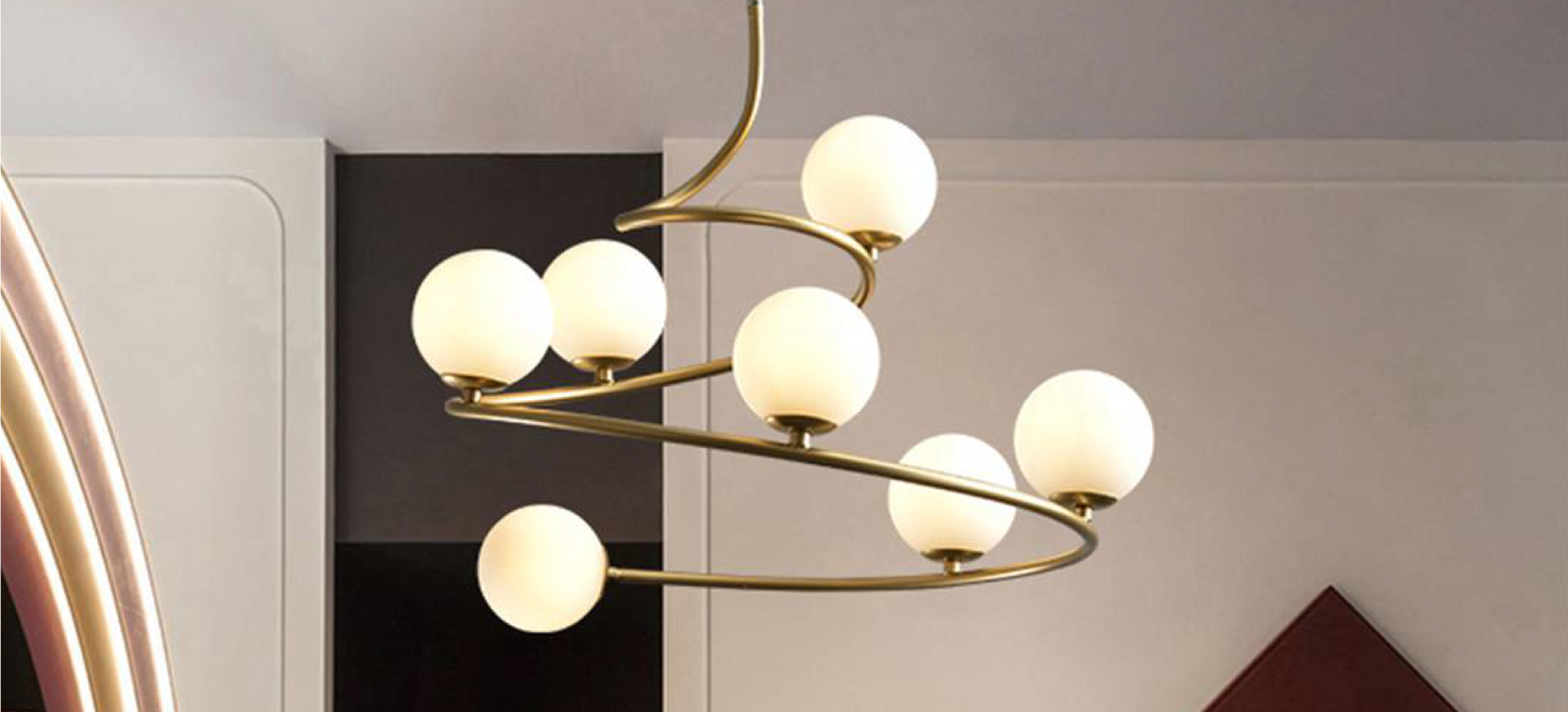
Lighting is one of the most underrated elements of home decor, yet it has the power to completely transform a space. Designers rarely rely on a single overhead light. Instead, they use layered lighting to create warmth and depth.
Add a combination of table lamps, floor lamps, wall sconces, and LED strip lights to your home. Warm white bulbs (around 2700K) give a soft, cozy glow that feels more luxurious than harsh white lighting. A stylish pendant light or mini chandelier in the dining or living area can instantly elevate the room’s appearance.
Even budget-friendly lighting options can look high-end if chosen with the right design and placement.
Upgrade Your Soft Furnishings
Soft furnishings play a major role in making a home look luxurious. Items like curtains, cushion covers, bedsheets, and throws can dramatically change the overall feel of a room.
Choose floor-length curtains in fabrics like linen, cotton blends, or velvet to create a grand look. Opt for cushion covers with subtle patterns, embroidery, or metallic accents. A well-made bed with layered duvets, quilts, and decorative pillows can make your bedroom look like a five-star hotel suite.
The key is layering—combining different textures and fabrics to create a rich and inviting atmosphere.
Incorporate Mirrors and Reflective Surfaces
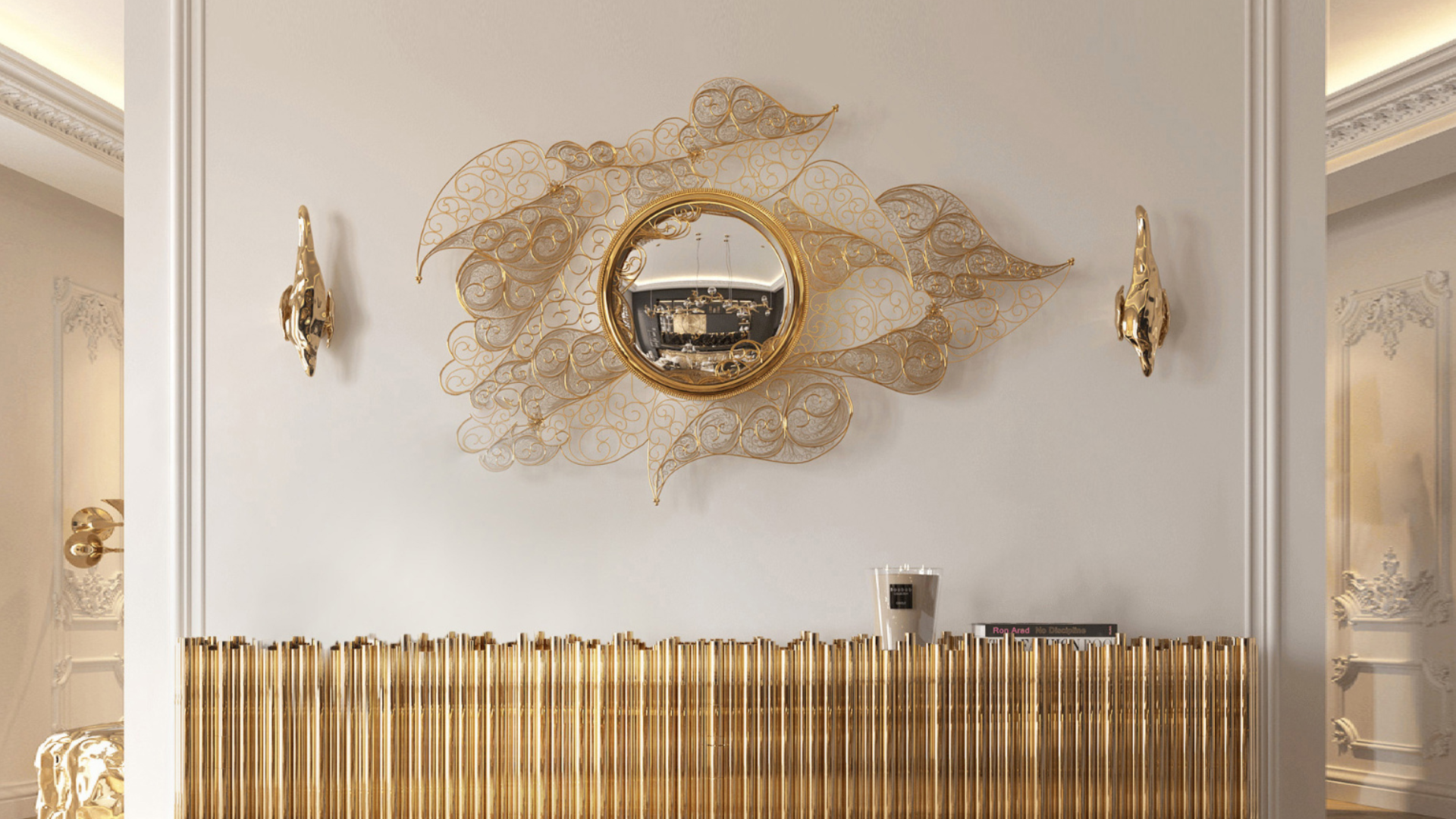
Mirrors are a designer’s secret weapon for creating the illusion of space and luxury. A large full-length mirror or a decorative wall mirror with a metallic or wooden frame can instantly make a room feel bigger and brighter.
Reflective surfaces like glass coffee tables, acrylic decor pieces, and metallic trays also add a touch of sophistication. These elements bounce light around the room, enhancing the overall ambience without adding clutter.
Position mirrors opposite windows or light sources to maximize their effect.
Add Greenery and Natural Elements
Luxury spaces often feel alive and refreshing, and one of the easiest ways to achieve this is by incorporating plants. Indoor plants like fiddle leaf fig, snake plant, areca palm, and monstera add elegance and freshness to your home.
If maintaining real plants is challenging, high-quality artificial plants can work just as well. Pair them with stylish planters made of ceramic, metal, or stone for a refined look.
You can also include natural materials like wooden trays, rattan baskets, and stone decor items to add warmth and texture to your space.
Declutter and Style Like a Pro
One of the biggest differences between a regular home and a luxury home is the absence of clutter. Designers follow the “less is more” approach, focusing on carefully curated decor rather than overcrowded spaces.
Use storage baskets, decorative boxes, and floating shelves to keep things organized. When styling surfaces like coffee tables or consoles, follow the rule of three—group items like a candle, book stack, and small vase together for a balanced look.
Leave some empty space to let each piece stand out. This creates a clean, elegant aesthetic that feels intentional and refined.
Use Art and Wall Decor Strategically
Wall decor is essential for achieving a high-end look. Instead of filling your walls with random items, choose a few impactful pieces like large canvas art, framed prints, or a gallery wall with matching frames.
Black, gold, or wooden frames can make even affordable prints look expensive. Abstract art, minimalist designs, and nature-inspired prints are particularly popular in luxury interiors.
Make sure the scale of your wall art matches the size of your wall and furniture to maintain visual balance.
Focus on Small Details That Make a Big Difference
Luxury is often found in the details. Small upgrades can have a huge impact on the overall look of your home. Replace basic hardware like cabinet handles, drawer knobs, and door handles with more stylish options in finishes like brushed gold, matte black, or antique brass.
Switch out old light switch plates, add scented candles, or use a decorative tray to organize items on your table. Even upgrading your bathroom accessories—such as soap dispensers, toothbrush holders, and towels—can make the space feel more premium.
These subtle changes are budget-friendly but highly effective.
Shop Smart and Mix High with Low
Designers rarely buy everything from expensive stores. Instead, they mix items from different price ranges to create a balanced look. You can find stylish decor pieces at affordable prices in local markets, online stores, and even thrift shops.
Look for items like decorative vases, artificial flowers, table lamps, and wall shelves that mimic high-end designs. Pair them with one or two quality pieces to create contrast.
Don’t be afraid to repurpose or DIY items. A simple wooden stool can become a chic side table, and a plain mirror can be upgraded with a custom frame.
Create a Signature Scent for Your Home
One often-overlooked aspect of luxury living is scent. High-end homes and hotels always have a signature fragrance that enhances the overall experience.
Use scented candles, reed diffusers, or essential oil diffusers with fragrances like vanilla, sandalwood, lavender, or citrus. This not only makes your home feel more inviting but also adds an intangible sense of sophistication.
Final Thoughts: Luxury is About Intentional Design
Achieving a luxurious home on a budget is all about being intentional with your choices. It’s not about how much you spend, but how thoughtfully you design your space. By focusing on key elements like neutral colors, statement pieces, layered lighting, and curated decor, you can create a home that looks elegant, stylish, and expensive—without breaking the bank.
Remember, the goal is to create a space that feels comfortable, functional, and visually appealing. With these designer secrets, you can transform any room into a luxurious retreat that reflects your personal style and creativity.
FAQs
1. How can I make my home look luxurious on a tight budget?
Focus on decluttering, using neutral colors, adding soft lighting, and investing in one or two statement pieces like a mirror or chandelier.
2. What colors make a home look more expensive?
Neutral shades like beige, white, grey, and taupe, along with accents of gold, black, or deep green, create a luxurious feel.
3. Are expensive furniture pieces necessary for luxury decor?
No, mixing affordable items with a few high-impact pieces can achieve the same elegant look.
4. What type of lighting is best for a luxury home?
Layered lighting with warm tones, including table lamps, floor lamps, and accent lights, works best.
5. How do I decorate a small space to look luxurious?
Use mirrors, keep the space clutter-free, choose multi-functional furniture, and stick to a cohesive color palette.
Who should use Home & Decor
Luxury Home Decor on a Budget: Secrets Designers Don’t Tell is built for readers who want a faster way to finish everyday web tasks. The main goal is shorter workflows, clearer outputs, and reusable tool habits, so the guide focuses on practical choices instead of broad theory.
Use it when you need one of these outcomes:
- testing a task before choosing a heavier app
- saving time on a repeated browser workflow
- combining a guide with a related AltFTool utility
How to get a better result
- Read the core use case and decide what output you need.
- Open the related AltFTool utility and test it with a small sample.
- Review the result, adjust settings, and repeat only if needed.
- Continue with related tools or guides for the next step in the workflow.
Start small, check the first output, and only then repeat the workflow with the full file, text, media, or game session. That gives you a quick quality check before you spend more time.
Quality checks before you trust the output
- the input is clean before running the tool
- the output matches the format you need
- private details are removed before sharing or downloading
Do not overcomplicate a simple task. Start with the smallest sample that proves the workflow, then scale up once the output looks right.
Continue your workflow
If you want to try the workflow now, open the related AltFTool tool area. For more reading, continue through the Home & Decor archive or the AltFTool tools directory.
This creates a cleaner path from explanation to action: read the guide, test the tool, compare the output, and move into the next related AltFTool resource only when it helps the task.
Reader questions
Quick answers
What is Luxury Home Decor on a Budget: Secrets Designers Don’t Tell about?
Creating a luxurious home doesn’t always mean spending a fortune. In fact, some of the most elegant interiors you see in magazines are carefully curated using s
When should I use Home & Decor?
Use Home & Decor when you need testing a task before choosing a heavier app or saving time on a repeated browser workflow. It is best for shorter workflows, clearer outputs, and reusable tool habits.
How do I get better results from Home & Decor?
Start with a small sample, then check that the input is clean before running the tool and the output matches the format you need. Review the output before using it in a final workflow.
Where can I find more Home & Decor guides?
Use the AltFTool blog archive, AltFTool tools directory, and related links on this page to explore more Home & Decor tutorials, tool workflows, and practical recommendations.
Sources and review notes
References used to check facts, freshness, and reader-safe recommendations in this guide.
Reviewed against AltFTool editorial guidance, related site archives, and linked tool pages for freshness and reader usefulness.
- 1AltFTool Home & Decor archive
AltFTool
- 2AltFTool tools directory
AltFTool
Discussion
0 comments
No comments yet
Discussion will appear here once it loads.