
Creating a beautiful home today is no longer just about stylish furniture and trendy decorations. Many homeowners are now focusing on sustainability and natural design to build spaces that are not only visually appealing but also environmentally friendly. Natural and sustainable decor is becoming increasingly popular because it promotes a healthier lifestyle while reducing environmental impact. Many people are also inspired by Top Warm and Natural Home Decor Trends when designing spaces that feel cozy and inviting.
This style of interior design focuses on using eco-friendly materials, natural textures, and thoughtful design choices that help create a warm and balanced living environment. By incorporating sustainable elements into your home, you can design a space that feels peaceful, stylish, and connected to nature.
In this guide, we will explore how you can create a beautiful home using natural and sustainable decor while maintaining both comfort and elegance.
Understanding Natural and Sustainable Home Decor
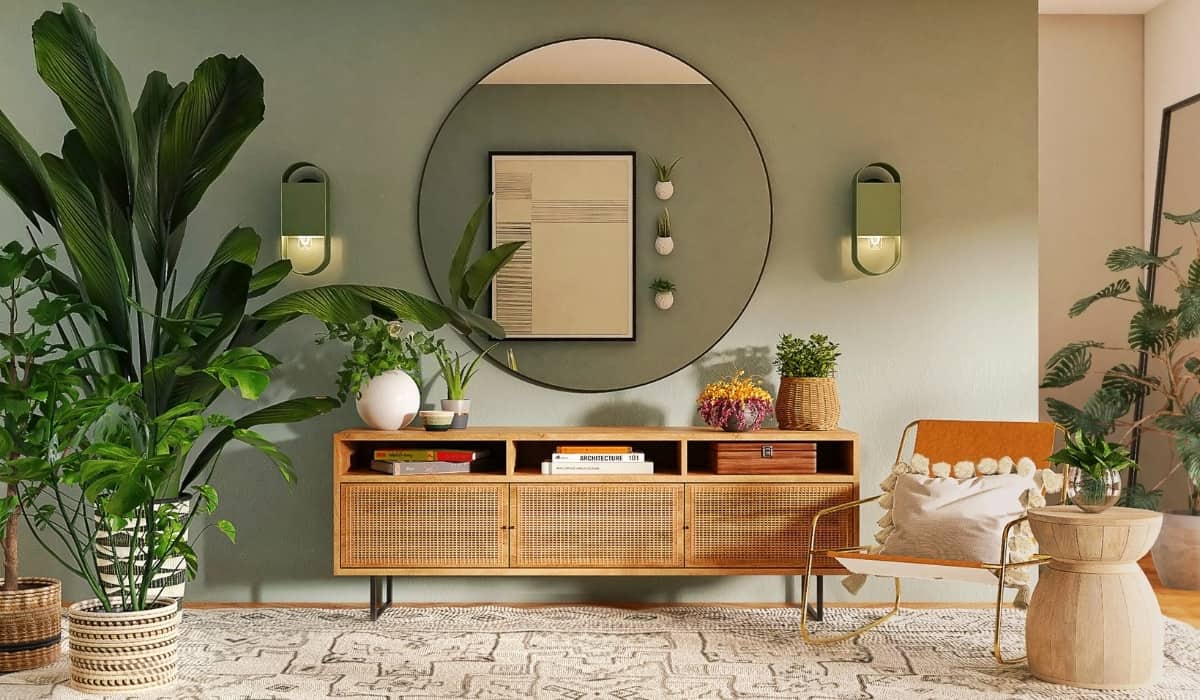
Natural and sustainable home decor focuses on materials and products that are environmentally friendly, durable, and responsibly produced. Instead of relying on synthetic materials or mass-produced items, this design style prioritizes natural resources such as wood, bamboo, cotton, linen, and stone.
Sustainable decor also encourages mindful consumption. This means choosing quality items that last longer rather than frequently replacing cheaper products. When done thoughtfully, sustainable design helps reduce waste and supports eco-friendly practices.
The goal is not just to decorate a home but to create a living space that supports both personal well-being and environmental responsibility.
Choose Natural Materials for Furniture

One of the most important steps in creating a natural and sustainable home is selecting furniture made from natural materials. Wood, rattan, bamboo, and reclaimed materials are excellent choices because they are durable and environmentally friendly.
Wooden furniture, for example, adds warmth and character to any room. Reclaimed wood pieces are especially popular because they reuse existing materials and reduce the need for new resources. Each reclaimed item often has a unique texture and history, giving your home a distinctive look.
Natural materials also age beautifully, which means your furniture can continue to look attractive for many years.
Use Earthy and Neutral Color Palettes

Color plays a major role in natural interior design. Earthy tones help create a calming environment while reflecting the colors found in nature.
Some popular colors used in sustainable decor include:
- Warm beige
- Soft white
- Olive green
- Terracotta
- Sand and clay tones
- Natural wood shades
These colors work well together and help create a balanced atmosphere. Neutral palettes also make rooms feel more spacious and allow natural materials and textures to stand out.
Instead of bright or artificial colors, earthy tones bring warmth and serenity to your home.
Add Indoor Plants for a Natural Touch
Indoor plants are one of the easiest ways to incorporate natural decor into your home. Plants bring life, freshness, and a sense of calm to any space.
Popular indoor plants such as snake plants, pothos, monstera, and peace lilies are easy to maintain and look beautiful in different rooms. They also help improve air quality and create a more relaxing atmosphere.
You can place plants on shelves, tables, or windowsills, or even create a small indoor garden. Using natural planters made from clay, ceramic, or woven materials enhances the overall sustainable look.
Plants also help connect indoor spaces with the natural world outside.
Focus on Sustainable Fabrics and Textiles
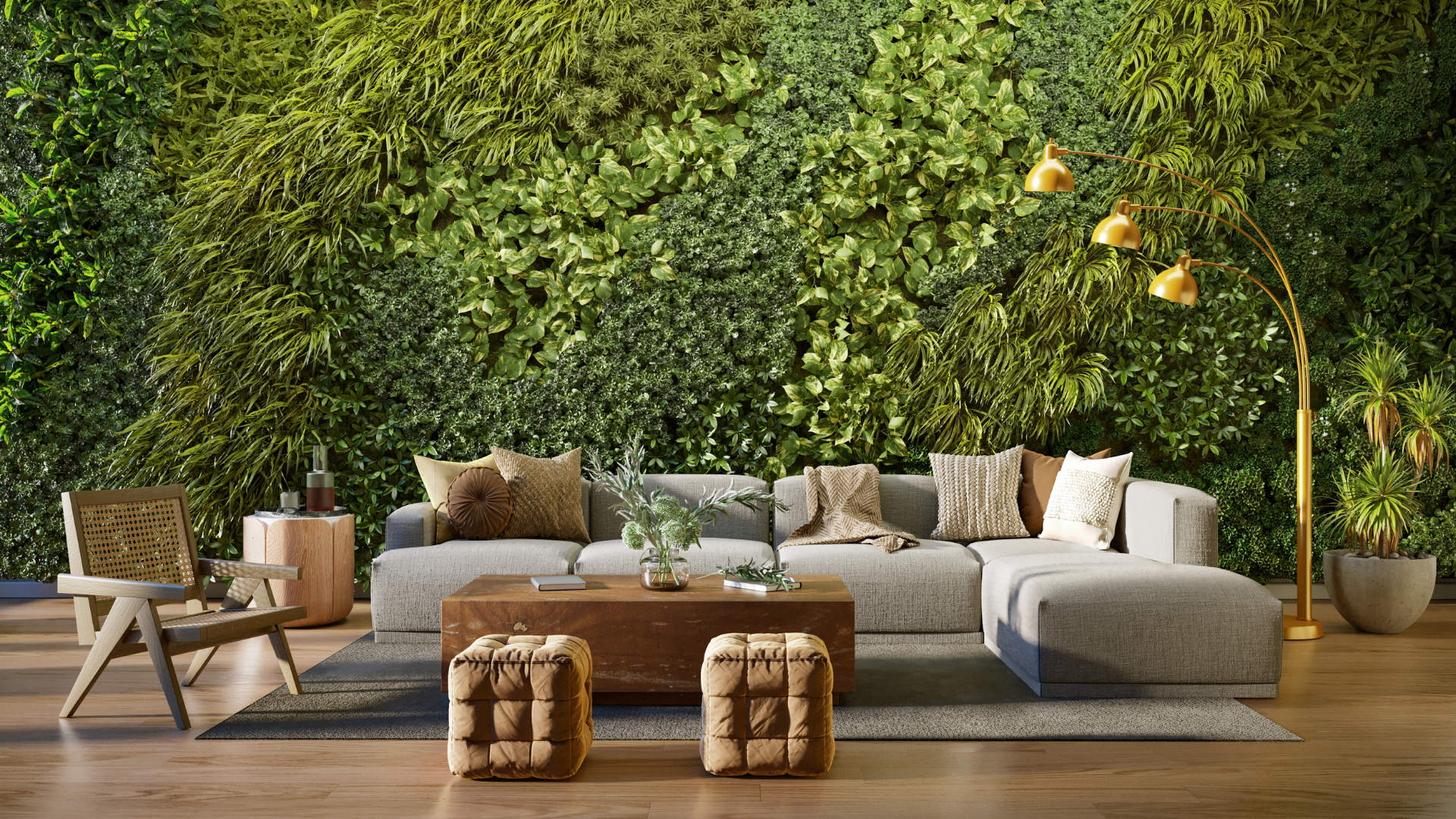
Textiles are another important element in natural home decor. Choosing sustainable fabrics such as organic cotton, linen, wool, and hemp helps create a comfortable and eco-friendly living environment.
These materials are breathable, durable, and often produced with fewer chemicals compared to synthetic fabrics.
You can incorporate sustainable textiles through:
- Curtains and drapes
- Throw blankets
- Cushion covers
- Area rugs
- Bedding
Layering natural fabrics also adds warmth and texture to a room, making the space feel more inviting.
Reduce Clutter and Embrace Minimalism
Natural decor often goes hand in hand with a minimalist approach to interior design. Instead of filling a room with unnecessary decorations, sustainable design focuses on fewer but more meaningful items.
Minimalism allows each piece of furniture or decor to stand out while creating a cleaner and more peaceful environment. It also encourages mindful consumption and reduces waste.
A simple wooden table, a handmade vase, or a beautiful piece of wall art can have a stronger visual impact than multiple decorative objects.
By choosing quality over quantity, you can create a home that feels both elegant and sustainable.
Choose Eco-Friendly Lighting

Lighting plays a crucial role in shaping the atmosphere of a home. Sustainable decor often incorporates natural light and energy-efficient lighting solutions.
Large windows, light curtains, and mirrors can help maximize natural sunlight during the day. This not only brightens your home but also reduces energy consumption.
For evening lighting, energy-efficient LED bulbs are a great option. Decorative lamps made from natural materials such as bamboo, wood, or woven fibers also complement the sustainable design style.
Soft and warm lighting creates a cozy environment that enhances the natural aesthetic.
Decorate with Handmade and Local Items

Another important aspect of sustainable decor is supporting handmade and locally produced items. Handmade products often have better craftsmanship and unique designs compared to mass-produced decor.
Local artisans create items such as pottery, woven baskets, handmade furniture, and decorative textiles. These pieces add character and authenticity to your home.
Buying locally also reduces the environmental impact associated with long-distance shipping while supporting small businesses and traditional crafts.
These thoughtful purchases make your home feel more personal and meaningful.
Repurpose and Upcycle Old Items
Sustainability in home decor also means giving new life to existing items. Repurposing and upcycling furniture or decor pieces can help reduce waste while adding creativity to your space.
For example, an old wooden ladder can be transformed into a decorative shelf, while vintage glass bottles can become stylish vases. Old furniture can also be restored with natural finishes or paint.
Upcycling allows you to create unique decor pieces while reducing environmental impact.
Create a Connection with Nature
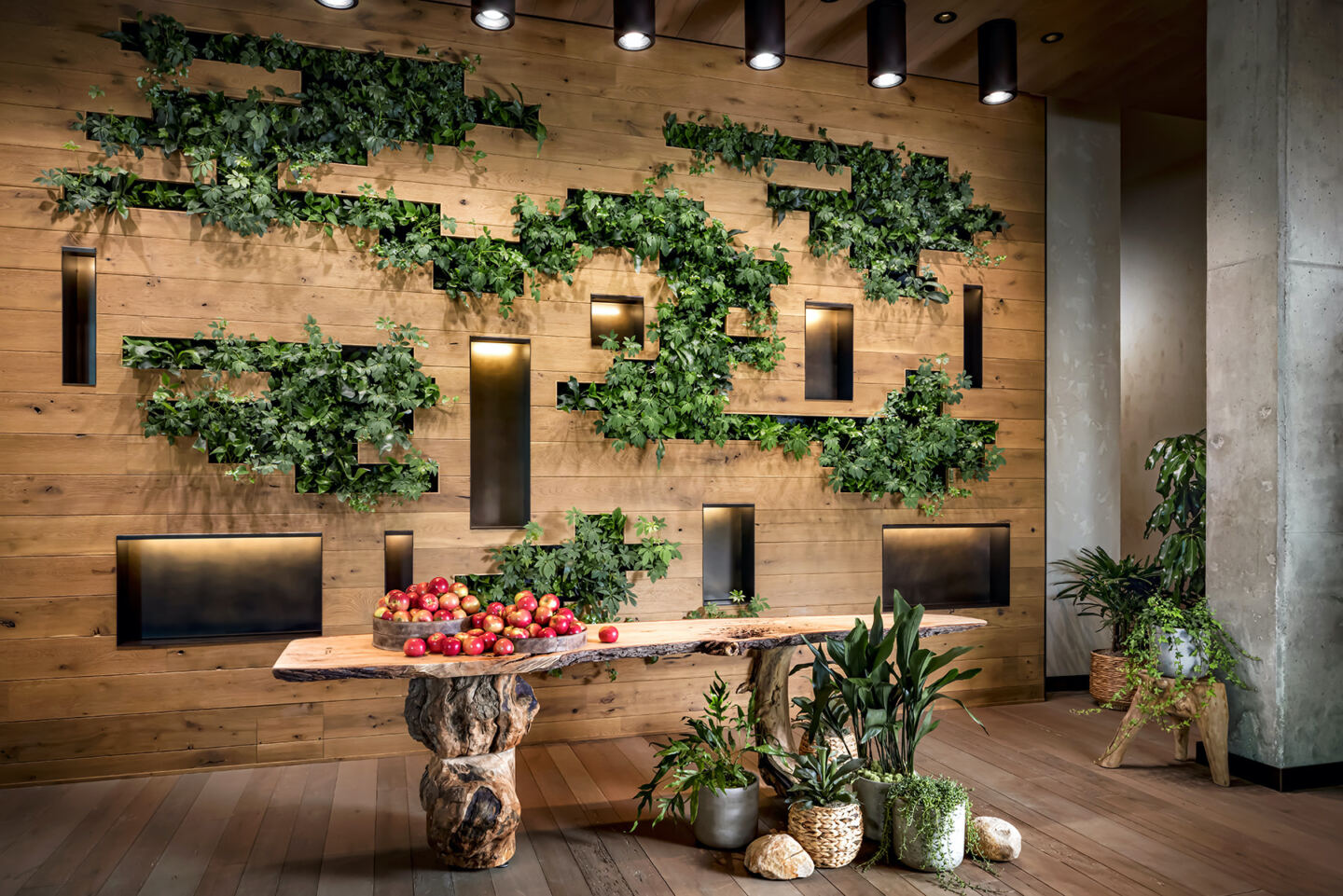
The ultimate goal of natural and sustainable decor is to create a strong connection with nature. This can be achieved through natural materials, plants, sunlight, and calming colors.
Nature-inspired artwork, landscape photography, or botanical prints can also enhance the theme.
By surrounding yourself with natural elements, your home becomes a place where you can relax, recharge, and feel closer to the environment.
Frequently Asked Questions (FAQ)
1. What is natural and sustainable home decor?
Natural and sustainable home decor focuses on using eco-friendly materials, natural textures, and environmentally responsible design choices to create a stylish and sustainable living space.
2. What materials are best for sustainable home decor?
Materials such as wood, bamboo, linen, organic cotton, stone, and recycled materials are commonly used in sustainable home decor.
3. How can I start decorating my home sustainably?
You can start by choosing natural materials, adding indoor plants, using energy-efficient lighting, and purchasing handmade or locally produced decor items.
4. Are sustainable home decor products expensive?
Not necessarily. Many sustainable decor options are affordable, especially when you repurpose existing items or choose durable products that last longer.
5. Why is sustainable home decor important?
Sustainable decor helps reduce environmental impact, supports ethical production, and creates healthier living spaces for homeowners.
Who should use Home & Decor
How to Create a Beautiful Home with Natural and Sustainable Decor is built for readers who want a faster way to finish everyday web tasks. The main goal is shorter workflows, clearer outputs, and reusable tool habits, so the guide focuses on practical choices instead of broad theory.
Use it when you need one of these outcomes:
- testing a task before choosing a heavier app
- saving time on a repeated browser workflow
- combining a guide with a related AltFTool utility
How to get a better result
- Read the core use case and decide what output you need.
- Open the related AltFTool utility and test it with a small sample.
- Review the result, adjust settings, and repeat only if needed.
- Continue with related tools or guides for the next step in the workflow.
Start small, check the first output, and only then repeat the workflow with the full file, text, media, or game session. That gives you a quick quality check before you spend more time.
Quality checks before you trust the output
- the input is clean before running the tool
- the output matches the format you need
- private details are removed before sharing or downloading
Do not overcomplicate a simple task. Start with the smallest sample that proves the workflow, then scale up once the output looks right.
Continue your workflow
If you want to try the workflow now, open the related AltFTool tool area. For more reading, continue through the Home & Decor archive or the AltFTool tools directory.
This creates a cleaner path from explanation to action: read the guide, test the tool, compare the output, and move into the next related AltFTool resource only when it helps the task.
Reader questions
Quick answers
What is How to Create a Beautiful Home with Natural and Sustainable Decor about?
Creating a beautiful home today is no longer just about stylish furniture and trendy decorations. Many homeowners are now focusing on sustainability and natural
When should I use Home & Decor?
Use Home & Decor when you need testing a task before choosing a heavier app or saving time on a repeated browser workflow. It is best for shorter workflows, clearer outputs, and reusable tool habits.
How do I get better results from Home & Decor?
Start with a small sample, then check that the input is clean before running the tool and the output matches the format you need. Review the output before using it in a final workflow.
Where can I find more Home & Decor guides?
Use the AltFTool blog archive, AltFTool tools directory, and related links on this page to explore more Home & Decor tutorials, tool workflows, and practical recommendations.
Sources and review notes
References used to check facts, freshness, and reader-safe recommendations in this guide.
Reviewed against AltFTool editorial guidance, related site archives, and linked tool pages for freshness and reader usefulness.
- 1AltFTool Home & Decor archive
AltFTool
- 2AltFTool tools directory
AltFTool
Discussion
0 comments
No comments yet
Discussion will appear here once it loads.