
Choosing the right internet provider in the UK can feel overwhelming, especially with so many options available. From high-speed fibre broadband to budget-friendly plans, every provider offers something slightly different. While companies like Virgin Media, BT Group, and Sky Group are well-known names, the best choice ultimately depends on your personal needs, usage habits, and budget.
In this guide, we’ll walk you through everything you need to consider so you can confidently choose the best internet provider for your home or business.
Understanding Your Internet Needs

Before comparing providers, it’s important to understand how you use the internet. Are you someone who streams movies daily, works from home, or just browses occasionally? A household with multiple users and devices will require faster speeds and a more reliable connection than someone who only uses the internet for emails and social media.
For example, streaming in HD or 4K, online gaming, and video calls demand higher speeds and stable connections. On the other hand, light users can manage with more basic plans. Knowing your usage helps you avoid overpaying for features you don’t need or underestimating your requirements.
Types of Broadband Available in the UK
Fibre Broadband
Fibre broadband is one of the most popular choices in the UK due to its speed and reliability. It uses fibre-optic cables to deliver faster internet compared to traditional connections. This is ideal for families, remote workers, and heavy internet users.
Full Fibre (FTTP)
Full fibre, also known as Fibre to the Premises, offers the fastest speeds available. It’s perfect for smart homes and people who rely heavily on the internet for work or entertainment.
ADSL Broadband
ADSL uses traditional phone lines and is generally slower than fibre. While it may be cheaper, it’s becoming less common as fibre coverage expands.
5G and Mobile Broadband
For flexibility, mobile broadband and 5G options are growing in popularity. These are useful for people who move frequently or live in areas where fixed-line broadband is limited.
Speed Matters: Choosing the Right Plan
Internet speed is one of the most important factors when selecting a provider. Measured in Mbps (megabits per second), speed determines how quickly you can download, upload, and stream content.
- 10–30 Mbps: Suitable for light browsing and emails
- 30–100 Mbps: Ideal for streaming and small households
- 100+ Mbps: Best for gaming, large families, and remote work
Always consider the number of users and devices in your home. A faster plan ensures smoother performance, especially during peak hours.
Comparing Pricing and Contracts

Cost is another key factor when choosing an internet provider. While it’s tempting to go for the cheapest option, it’s important to look at the overall value. Some plans may offer low introductory prices but increase after a few months.
Pay attention to contract lengths as well. Many providers offer 12, 18, or 24-month contracts. Shorter contracts provide flexibility, while longer ones may come with better deals. Make sure to check for installation fees, equipment costs, and any hidden charges.
Reliability and Customer Service
A fast connection is useless if it’s not reliable. Look for providers with strong network performance and minimal downtime. Reading customer reviews can give you insight into real user experiences.
Customer service is equally important. In case of technical issues or billing queries, responsive and helpful support can make a big difference. Choosing a provider known for good customer service ensures peace of mind.
Availability in Your Area
Not all broadband types are available everywhere in the UK. Your location plays a big role in determining which providers and speeds you can access. Before making a decision, check availability in your area using provider websites or postcode checkers.
Urban areas typically have more options, including full fibre connections, while rural areas may have limited choices.
Bundles and Extra Features
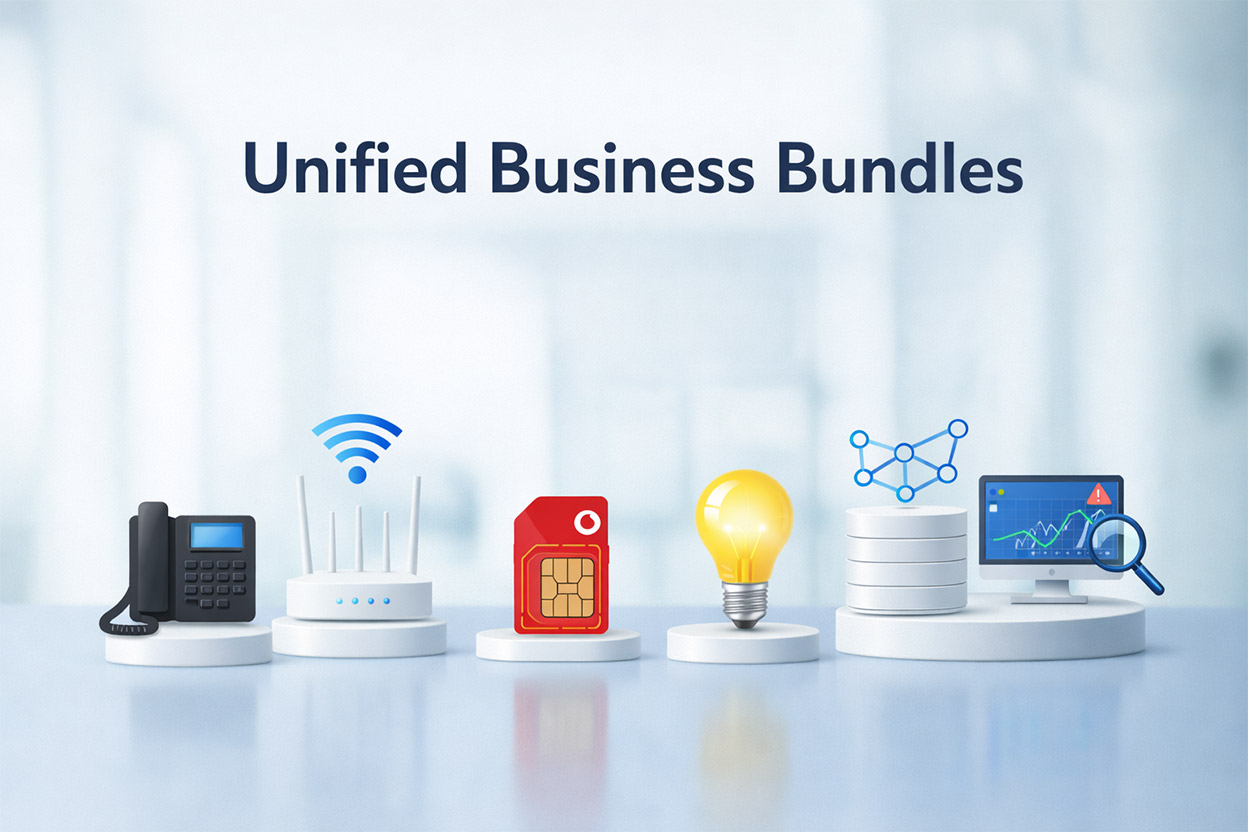
Many UK providers offer bundled packages that include TV, phone, or streaming services along with broadband. While bundles can be convenient and cost-effective, only choose them if you actually need the additional services.
Some providers also include perks like free routers, security software, or access to Wi-Fi hotspots. These extras can add value to your plan.
Installation and Setup
The ease of installation can vary depending on the type of broadband you choose. Some connections require professional installation, while others can be set up quickly at home.
Make sure to check how long it will take to get connected, especially if you need internet urgently for work or study.
Tips for Making the Right Choice

To simplify your decision, keep these tips in mind:
- Compare multiple providers before choosing
- Read customer reviews and ratings
- Check actual speeds, not just advertised ones
- Consider long-term costs, not just initial offers
- Choose a plan that matches your usage
Taking a little extra time to research can save you money and frustration in the long run.
FAQs
1. What is the best internet speed for home use in the UK?
It depends on your usage. For most households, 50–100 Mbps is sufficient, while larger families or heavy users may need 100+ Mbps.
2. Is fibre broadband better than ADSL?
Yes, fibre broadband is generally faster, more reliable, and better suited for modern internet usage.
3. Can I switch internet providers easily?
Yes, switching is usually simple, and many providers handle the process for you. Just check contract terms before switching.
4. Are cheaper broadband plans worth it?
They can be suitable for light users, but they may lack speed and reliability for heavier usage.
5. How do I check broadband availability in my area?
You can use postcode checkers on provider websites to see which services are available where you live.
Who should use Customer Deals
How to Choose the Best Internet Provider in the UK is built for readers who want a faster way to finish everyday web tasks. The main goal is shorter workflows, clearer outputs, and reusable tool habits, so the guide focuses on practical choices instead of broad theory.
Use it when you need one of these outcomes:
- testing a task before choosing a heavier app
- saving time on a repeated browser workflow
- combining a guide with a related AltFTool utility
How to get a better result
- Read the core use case and decide what output you need.
- Open the related AltFTool utility and test it with a small sample.
- Review the result, adjust settings, and repeat only if needed.
- Continue with related tools or guides for the next step in the workflow.
Start small, check the first output, and only then repeat the workflow with the full file, text, media, or game session. That gives you a quick quality check before you spend more time.
Quality checks before you trust the output
- the input is clean before running the tool
- the output matches the format you need
- private details are removed before sharing or downloading
Do not overcomplicate a simple task. Start with the smallest sample that proves the workflow, then scale up once the output looks right.
Continue your workflow
If you want to try the workflow now, open the related AltFTool tool area. For more reading, continue through the Customer Deals archive or the AltFTool tools directory.
This creates a cleaner path from explanation to action: read the guide, test the tool, compare the output, and move into the next related AltFTool resource only when it helps the task.
Reader questions
Quick answers
What is How to Choose the Best Internet Provider in the UK about?
Choosing the right internet provider in the UK can feel overwhelming, especially with so many options available. From high-speed fibre broadband to budget-frien
When should I use Customer Deals?
Use Customer Deals when you need testing a task before choosing a heavier app or saving time on a repeated browser workflow. It is best for shorter workflows, clearer outputs, and reusable tool habits.
How do I get better results from Customer Deals?
Start with a small sample, then check that the input is clean before running the tool and the output matches the format you need. Review the output before using it in a final workflow.
Where can I find more Customer Deals guides?
Use the AltFTool blog archive, AltFTool tools directory, and related links on this page to explore more Customer Deals tutorials, tool workflows, and practical recommendations.
Sources and review notes
References used to check facts, freshness, and reader-safe recommendations in this guide.
Reviewed against AltFTool editorial guidance, related site archives, and linked tool pages for freshness and reader usefulness.
- 1AltFTool Customer Deals archive
AltFTool
- 2AltFTool tools directory
AltFTool
- 3AltFTool related tools area
AltFTool
Discussion
0 comments
No comments yet
Discussion will appear here once it loads.