
In 2026, marketing is no longer just about promotion—it’s about precision, personalization, and performance. Businesses that succeed today are the ones that use the right tools to connect with their audience, automate their processes, and make smarter decisions based on real data. Whether you’re running a startup or scaling an established business, using modern marketing tools can significantly impact your growth.
This blog explores the most essential marketing tools you simply can’t ignore in 2026, explained in a clear and practical way so you can understand how they fit into your business strategy.
The Growing Importance of Marketing Tools
The digital landscape has become more competitive than ever. Businesses are now present across multiple platforms, including social media, search engines, email, and websites. Managing all of these channels manually is not only time-consuming but also inefficient.
Marketing tools simplify this process by helping you automate repetitive tasks, manage campaigns, and track performance. They allow you to focus more on strategy and creativity rather than spending hours on execution. In 2026, using these tools is no longer optional—it’s a necessity for sustainable business growth.
Social Media Management Tools for Consistent Branding
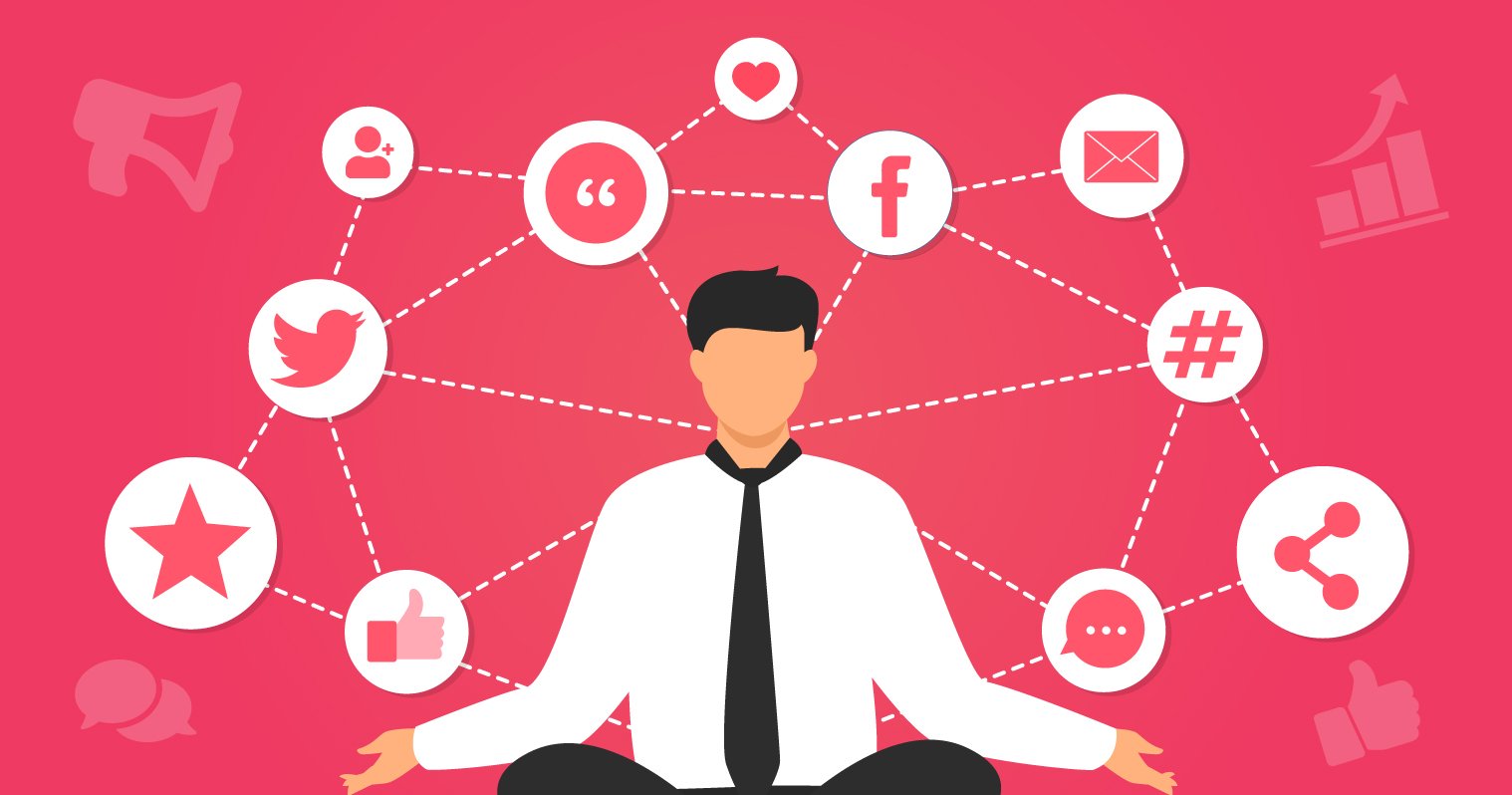
Social media plays a major role in building brand awareness and engaging with your audience. However, managing multiple platforms consistently can be challenging without the right support.
Tools like Hootsuite and Buffer make it easier to schedule posts, monitor engagement, and analyze performance from a single dashboard. This means you can plan your content in advance and maintain a consistent online presence without daily effort.
Consistency is key in social media marketing, and these tools ensure that your brand stays active and visible without overwhelming your schedule.
Email Marketing Tools for Building Strong Customer Relationships
Email marketing continues to be one of the most reliable ways to connect with your audience. Unlike social media, where algorithms control visibility, emails land directly in your audience’s inbox.
Platforms like Mailchimp and ConvertKit help businesses create personalized campaigns, automate follow-ups, and segment their audience based on behavior. This level of personalization increases engagement and improves conversion rates.
In 2026, successful email marketing is not about sending bulk messages—it’s about delivering the right message to the right person at the right time.
SEO Tools to Drive Organic Traffic
Search engine optimization remains a powerful strategy for long-term growth. Ranking higher on search engines means more visibility, more traffic, and more potential customers.
Tools such as Ahrefs and SEMrush help you identify the best keywords, analyze competitors, and track your website’s performance. These insights allow you to create content that aligns with what your audience is searching for.
SEO may take time, but with the right tools, it becomes a strategic and data-driven process rather than guesswork.
Content Creation Tools for Better Engagement
Content is at the heart of every marketing strategy. Whether it’s blog posts, social media updates, or advertisements, high-quality content helps you attract and retain your audience.
Canva makes it easy to design professional-looking visuals even if you have no design experience. From social media graphics to presentations, it offers templates that save time and effort.
For writing, Grammarly ensures that your content is clear, error-free, and impactful. Well-written content builds credibility and leaves a strong impression on your audience.
Marketing Automation Tools for Efficiency
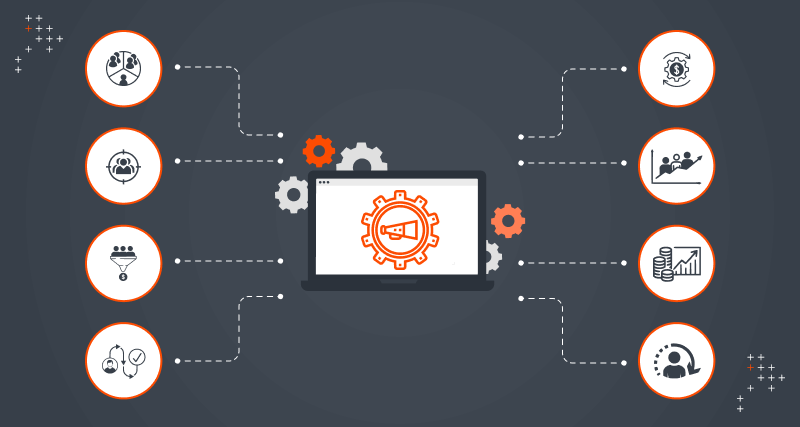
Automation is one of the biggest game-changers in modern marketing. It allows businesses to handle repetitive tasks efficiently while maintaining a personalized approach.
HubSpot is a powerful platform that combines customer relationship management with marketing automation. It helps you manage leads, track customer interactions, and automate campaigns.
With automation tools, you can create workflows that guide customers through the buying journey without manual intervention. This not only saves time but also improves consistency and results.
Analytics Tools for Smarter Decision-Making
Understanding your data is crucial for improving your marketing strategy. Without analytics, it’s difficult to know what’s working and what needs improvement.
Google Analytics provides detailed insights into website traffic, user behavior, and conversions. These insights help you identify trends and optimize your campaigns for better performance.
In 2026, data-driven marketing is essential. Businesses that rely on analytics are more likely to make informed decisions and achieve consistent growth.
Paid Advertising Tools for Quick Results
While organic strategies are important, paid advertising offers immediate visibility. It allows businesses to reach their target audience quickly and effectively.
Platforms like Google Ads and Meta Ads Manager enable you to run highly targeted campaigns. You can define your audience based on demographics, interests, and behavior.
Paid ads are especially useful for launching new products, promoting offers, or driving traffic to your website. When managed properly, they can deliver a strong return on investment.
Influencer Marketing Platforms for Expanding Reach
Influencer marketing has become a powerful way to build trust and reach new audiences. People are more likely to trust recommendations from individuals they follow than traditional advertisements.
Platforms like Upfluence help businesses find relevant influencers and manage collaborations. This makes it easier to create authentic campaigns that resonate with your target audience.
In 2026, influencer marketing is not just a trend—it’s a key strategy for brand growth.
Customer Engagement Tools for Better Experience
Customer experience plays a crucial role in business success. Engaging with your audience in real time can significantly improve satisfaction and loyalty.
Intercom offers live chat and messaging features that allow you to communicate with customers instantly. Whether it’s answering queries or providing support, quick responses create a positive impression.
Happy customers are more likely to return and recommend your business, making engagement tools an essential part of your marketing strategy.
Choosing the Right Tools for Your Business
With so many options available, selecting the right tools can feel overwhelming. The key is to focus on your specific goals and needs.
Start by identifying the areas where you need the most support. If your focus is content creation, invest in design and writing tools. If you want to improve conversions, prioritize email marketing and automation platforms.
It’s also important to consider your budget. Many tools offer free versions or trial periods, allowing you to explore their features before making a commitment.
Frequently Asked Questions (FAQ)
1. What are the best marketing tools for small businesses in 2026?
Small businesses should focus on tools like social media schedulers, email marketing platforms, and analytics tools to manage and grow their marketing efforts efficiently.
2. Are marketing tools expensive?
Not necessarily. Many tools offer free plans or affordable pricing, making them accessible even for startups and small businesses.
3. How do I choose the right marketing tool?
Choose tools based on your business goals, budget, and the specific areas where you need support, such as SEO, social media, or email marketing.
4. Can marketing tools really improve business growth?
Yes, marketing tools help automate tasks, improve targeting, and provide valuable insights, all of which contribute to better results and growth.
5. Is email marketing still effective in 2026?
Yes, email marketing remains one of the most effective ways to build relationships and drive conversions.
Who should use Business & Finance
Best Marketing Tools for Business Growth You Can’t Ignore in 2026 is built for travelers, shoppers, students, and small teams comparing values across currencies. The main goal is clearer estimates before purchases, invoices, budgets, or travel planning, so the guide focuses on practical choices instead of broad theory.
Use it when you need one of these outcomes:
- checking a price before buying from another country
- estimating travel budgets and daily spending
- comparing invoice or subscription values across currencies
How to get a better result
- Enter the amount and currency pair you want to compare.
- Check when the rate was last refreshed or updated.
- Add expected card, bank, or marketplace fees to the estimate.
- Use the result as guidance, not as a guaranteed final bank rate.
Start small, check the first output, and only then repeat the workflow with the full file, text, media, or game session. That gives you a quick quality check before you spend more time.
Quality checks before you trust the output
- the rate is fresh enough for the decision you are making
- fees, bank margins, and taxes are considered separately
- large transfers are verified with your provider before payment
Do not use a converter result as a final trading, tax, or transfer quote. Real payments can include spreads, delays, and provider-specific fees.
Continue your workflow
If you want to try the workflow now, open the related AltFTool tool area. For more reading, continue through the Business & Finance archive or the AltFTool finance guide archive.
This creates a cleaner path from explanation to action: read the guide, test the tool, compare the output, and move into the next related AltFTool resource only when it helps the task.
Reader questions
Quick answers
What is Best Marketing Tools for Business Growth You Can’t Ignore in 2026 about?
In 2026, marketing is no longer just about promotion—it’s about precision, personalization, and performance. Businesses that succeed today are the ones that use
When should I use Business & Finance?
Use Business & Finance when you need checking a price before buying from another country or estimating travel budgets and daily spending. It is best for clearer estimates before purchases, invoices, budgets, or travel planning.
How do I get better results from Business & Finance?
Start with a small sample, then check that the rate is fresh enough for the decision you are making and fees, bank margins, and taxes are considered separately. Review the output before using it in a final workflow.
Where can I find more Business & Finance guides?
Use the AltFTool blog archive, AltFTool finance guide archive, and related links on this page to explore more Business & Finance tutorials, tool workflows, and practical recommendations.
Sources and review notes
References used to check facts, freshness, and reader-safe recommendations in this guide.
Reviewed against AltFTool editorial guidance, related site archives, and linked tool pages for freshness and reader usefulness.
- 1
- 2AltFTool finance guide archive
AltFTool
- 3AltFTool related tools area
AltFTool
Discussion
0 comments
No comments yet
Discussion will appear here once it loads.