
In today’s fast-moving world, convenience has become a top priority for most people. Whether it’s ordering your favorite meal after a long day or getting groceries delivered without stepping out, online delivery platforms have made life significantly easier. Services like Zomato, Blinkit, and Swiggy have become an essential part of daily routines in India. At the same time, global platforms such as Morrisons Groceries show how structured and large-scale online grocery systems are evolving worldwide.
With so many options available, choosing the right platform can be confusing. Each one promises speed, savings, and convenience—but which one truly delivers value for your money? The answer depends on your habits, priorities, and how you use these services in your everyday life.
The Rise of Online Delivery Services
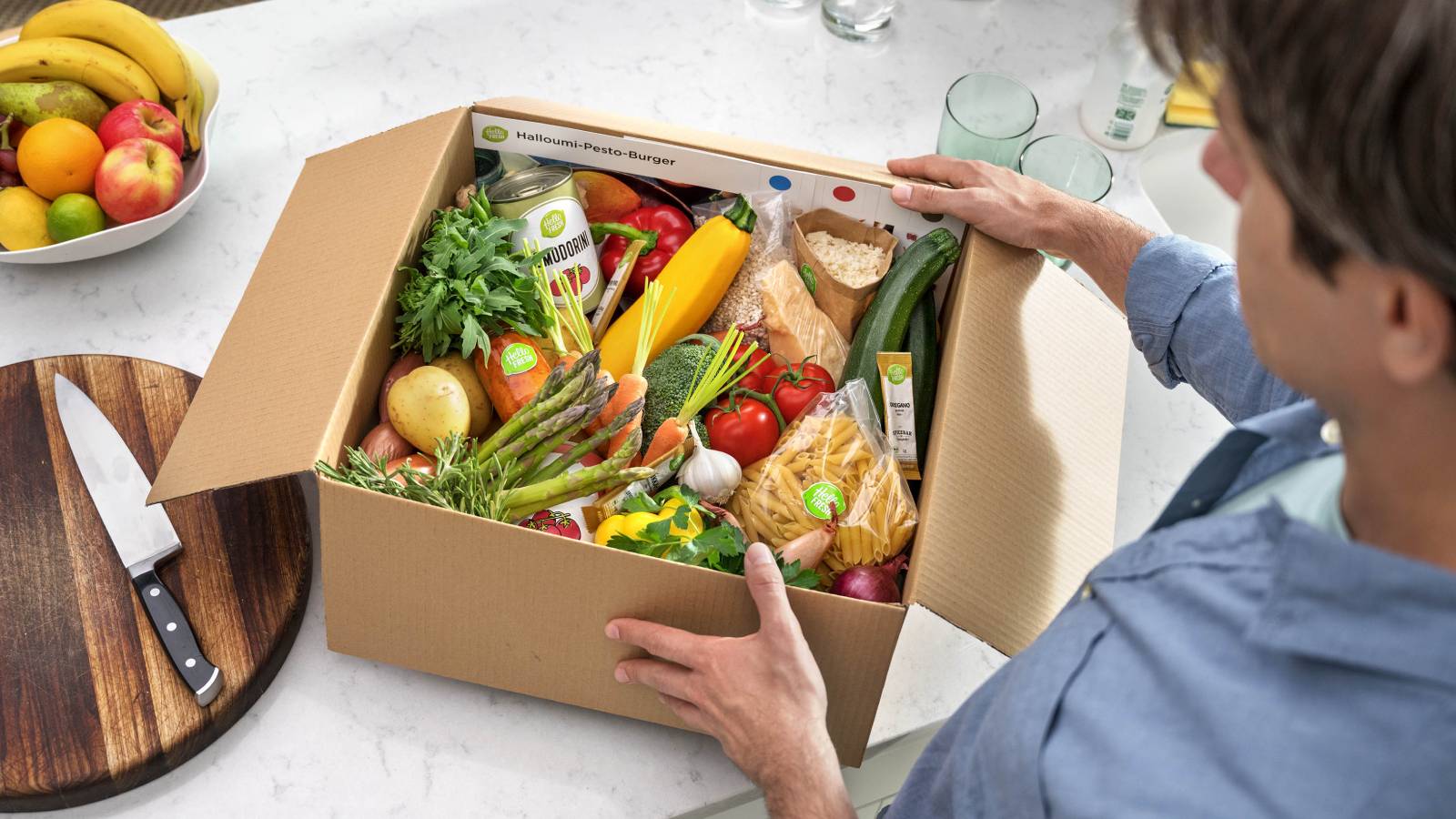
Over the past few years, online delivery has grown rapidly, driven by busy lifestyles and increasing digital adoption. What once seemed like a luxury is now a necessity. People no longer want to spend hours visiting stores or waiting in long queues. Instead, they prefer a few taps on their phone to get everything delivered to their doorstep.
Food delivery platforms made the first big impact by connecting users with restaurants. Soon after, grocery delivery services entered the market, followed by ultra-fast delivery models that promise essentials within minutes. Meanwhile, traditional supermarket chains adapted by offering online ordering with scheduled delivery.
This evolution has created multiple choices, each catering to different needs. Understanding these differences is the key to deciding which option is worth your money.
Understanding Different Service Models
Not all platforms operate in the same way, and that’s where most users get confused. While they may appear similar on the surface, their core business models are quite different.
Food delivery services are designed to bring restaurant meals directly to your home. They focus on variety, convenience, and quick service. These platforms are perfect for people who don’t want to cook or are looking to explore different cuisines.
Quick commerce platforms, on the other hand, specialize in delivering groceries and daily essentials within a very short time. Their main strength lies in speed and accessibility. Whether you forgot to buy milk or need something urgently, these services are built to solve that problem instantly.
Then there are traditional online grocery platforms that focus on planned shopping. Instead of rushing deliveries, they allow users to schedule orders in advance, often offering better pricing and wider product selection. This model works best for weekly or monthly grocery needs.
Delivery Speed: How Much Does It Matter?
.png)
Speed is one of the biggest factors influencing customer choice today. Many users prefer instant gratification, especially when it comes to food and daily essentials.
Quick delivery services have set new expectations by offering deliveries within minutes. This is ideal for emergency situations or last-minute needs. Food delivery apps also aim for fast service, typically delivering within 20 to 40 minutes depending on location and demand.
In contrast, traditional grocery platforms focus less on speed and more on reliability. They allow users to choose delivery slots, ensuring that orders arrive at a convenient time without any rush.
While fast delivery is impressive, it often comes at an extra cost. So, it’s important to ask yourself whether you really need instant service or if you can plan ahead and save money.
Pricing and Overall Value
When evaluating which platform is worth your money, pricing plays a crucial role. However, it’s not just about the price of items—it’s about the total cost of your order.
Most platforms include additional charges such as delivery fees, surge pricing during peak hours, and small handling fees. These charges may seem minor individually, but they can significantly increase your final bill over time.
Food delivery apps often offer attractive discounts and promotional deals, but menu prices can sometimes be slightly higher compared to dine-in rates. Quick commerce platforms may charge extra for ultra-fast delivery, which is understandable given their service model.
Traditional grocery platforms usually provide better value for bulk purchases. By planning your shopping in advance, you can avoid multiple delivery charges and take advantage of larger discounts.
The smartest way to save money is to compare the final checkout price rather than focusing only on individual item costs.
Discounts, Offers, and Membership Benefits

Another factor that affects value for money is the availability of discounts and membership programs. These benefits can make a noticeable difference, especially for regular users.
Many platforms offer subscription plans that include perks like free delivery, exclusive discounts, and priority service. If you order frequently, these memberships can help you save a significant amount over time.
Some services rely more on flash sales and limited-time offers instead of long-term memberships. These deals can be useful, but they require careful timing and may not always be available.
Traditional grocery platforms typically focus on seasonal discounts, bundle offers, and bulk pricing rather than app-based subscriptions. This makes them a great option for planned shopping.
Choosing the right option depends on your usage pattern. Frequent users benefit more from memberships, while occasional users can rely on regular discounts.
Variety and Product Availability
Variety is an important aspect of any delivery service. The more options you have, the better your overall experience.
Food delivery platforms excel in offering a wide range of cuisines, restaurants, and dishes. They are ideal for people who enjoy trying new food or have specific cravings.
Grocery delivery services focus on daily essentials such as fruits, vegetables, dairy products, and household items. While their range may be limited compared to supermarkets, they are perfect for quick and convenient purchases.
Traditional online grocery platforms provide the most extensive selection. From fresh produce to packaged goods and cleaning supplies, they offer a complete shopping experience similar to a physical supermarket.
Your choice should depend on what you need—variety in food, convenience in essentials, or a comprehensive grocery selection.
User Experience and Convenience

User experience plays a major role in determining how often you use a platform. A well-designed app can save time and make the ordering process smooth and enjoyable.
Some apps focus on helping users discover new restaurants through reviews and recommendations. Others prioritize speed, allowing users to reorder items quickly with minimal effort.
Traditional grocery platforms provide a more detailed browsing experience, where users can explore categories, compare products, and plan their shopping carefully.
Convenience is not just about speed—it’s also about how easy it is to find what you need and complete your order without frustration.
Choosing the Right Platform for Your Needs
Instead of relying on a single platform, it’s more practical to choose based on your specific situation.
If you want restaurant-quality meals without cooking, food delivery apps are the best choice. For urgent grocery needs, quick delivery services offer unmatched convenience. And for bulk shopping, traditional grocery platforms provide better value and savings.
By using each type of service strategically, you can maximize convenience while minimizing unnecessary expenses.
Which One is Worth Your Money?
There is no universal answer to this question because every platform serves a different purpose. The best choice depends entirely on your lifestyle and priorities.
If you frequently order food, restaurant-based platforms offer excellent variety and ease of use. If speed is your top priority, instant grocery services are worth the extra cost. And if you prefer planned shopping with better control over spending, traditional grocery platforms are the most economical option.
The key is to balance convenience and cost. Spending a little extra for speed may be worth it occasionally, but relying on it too often can increase your monthly expenses.
Conclusion
Online delivery services have revolutionized the way we shop and eat. From instant grocery deliveries to scheduled supermarket orders, there are more options than ever before. Each type of platform offers unique advantages, and understanding these differences can help you make smarter decisions.
Rather than sticking to one service, the best approach is to use multiple platforms based on your needs. This allows you to enjoy the benefits of speed, variety, and savings without compromising on value.
In the end, the platform that is “worth your money” is the one that fits seamlessly into your lifestyle and helps you save both time and effort.
Who should use Food
Zomato, Blinkit, Swiggy Comparison: Which One is Worth Your Money? is built for readers who want a faster way to finish everyday web tasks. The main goal is shorter workflows, clearer outputs, and reusable tool habits, so the guide focuses on practical choices instead of broad theory.
Use it when you need one of these outcomes:
- testing a task before choosing a heavier app
- saving time on a repeated browser workflow
- combining a guide with a related AltFTool utility
How to get a better result
- Read the core use case and decide what output you need.
- Open the related AltFTool utility and test it with a small sample.
- Review the result, adjust settings, and repeat only if needed.
- Continue with related tools or guides for the next step in the workflow.
Start small, check the first output, and only then repeat the workflow with the full file, text, media, or game session. That gives you a quick quality check before you spend more time.
Quality checks before you trust the output
- the input is clean before running the tool
- the output matches the format you need
- private details are removed before sharing or downloading
Do not overcomplicate a simple task. Start with the smallest sample that proves the workflow, then scale up once the output looks right.
Continue your workflow
If you want to try the workflow now, open the related AltFTool tool area. For more reading, continue through the Food archive or the AltFTool tools directory.
This creates a cleaner path from explanation to action: read the guide, test the tool, compare the output, and move into the next related AltFTool resource only when it helps the task.
Reader questions
Quick answers
What is Zomato, Blinkit, Swiggy Comparison: Which One is Worth Your Money? about?
In today’s fast-moving world, convenience has become a top priority for most people. Whether it’s ordering your favorite meal after a long day or getting grocer
When should I use Food?
Use Food when you need testing a task before choosing a heavier app or saving time on a repeated browser workflow. It is best for shorter workflows, clearer outputs, and reusable tool habits.
How do I get better results from Food?
Start with a small sample, then check that the input is clean before running the tool and the output matches the format you need. Review the output before using it in a final workflow.
Where can I find more Food guides?
Use the AltFTool blog archive, AltFTool tools directory, and related links on this page to explore more Food tutorials, tool workflows, and practical recommendations.
Sources and review notes
References used to check facts, freshness, and reader-safe recommendations in this guide.
Reviewed against AltFTool editorial guidance, related site archives, and linked tool pages for freshness and reader usefulness.
- 1AltFTool Food archive
AltFTool
- 2AltFTool tools directory
AltFTool
Discussion
0 comments
No comments yet
Discussion will appear here once it loads.