
The fashion industry in the United States is evolving at a pace that would have seemed unimaginable just a decade ago. Traditional retail models—once centered on seasonal collections, physical storefronts, and predictable trend cycles—are steadily being replaced by something far more dynamic. Trend-based fashion platforms have taken center stage, offering consumers immediate access to the latest styles at prices that feel accessible to almost everyone. Their rapid growth is not simply a result of clever marketing or low pricing; it reflects a deeper shift in how people discover, consume, and interact with fashion in a digital-first world.
The Influence of Always-Connected Consumers

At the heart of this boom is the modern consumer’s relationship with technology. Shopping is no longer an occasional activity; it is woven into everyday life. With smartphones in hand, people can browse fashion collections while commuting, relaxing at home, or even waiting in line for coffee. This constant connectivity has reshaped expectations. Consumers now want instant access, quick updates, and a continuous stream of new options. Trend-based platforms thrive in this environment because they are designed for speed and accessibility. They don’t just respond to demand—they anticipate it and deliver it in real time.
Social Media’s Role in Accelerating Trends
The power of social media cannot be overstated when discussing the rise of trend-based fashion platforms. Platforms like Instagram, TikTok, and YouTube have become the new runways, where trends are born, shared, and amplified within hours. Influencers and everyday users alike play a role in shaping what becomes popular. A single viral outfit can create a surge in demand overnight. Trend-based platforms are built to respond to this phenomenon. By tracking what people are engaging with online, they can quickly design and release similar styles, allowing consumers to participate in trends almost instantly. This tight feedback loop between social media and fashion retail has created an ecosystem where trends move faster than ever before.
Affordability as a Driving Force
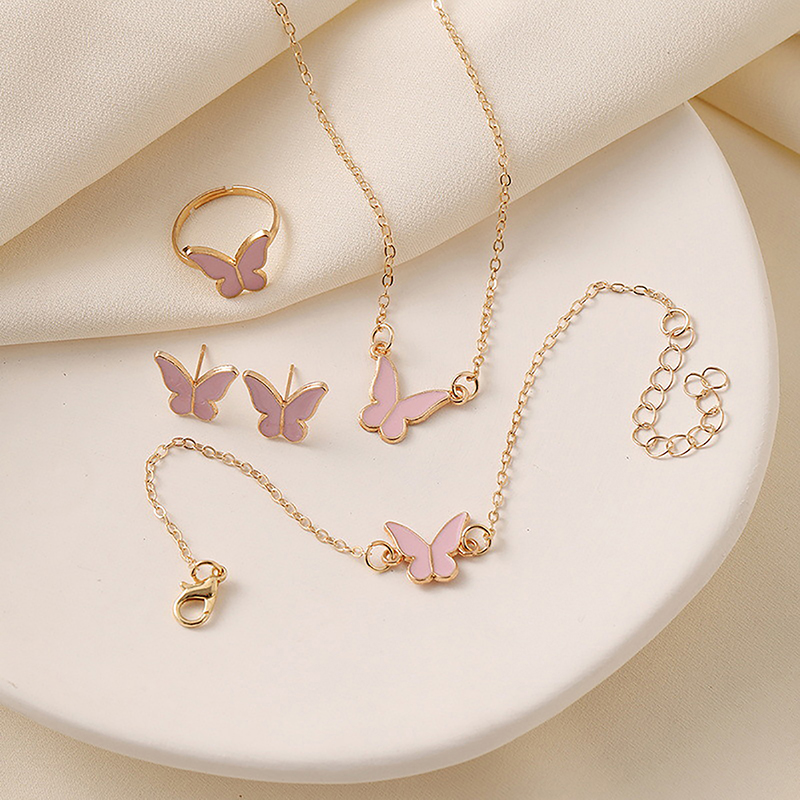


One of the most compelling reasons behind the popularity of these platforms is their affordability. Fashion has traditionally been seen as something that requires a significant financial commitment, especially when it comes to staying on trend. Trend-based platforms have changed that perception. By offering stylish options at lower price points, they make fashion more inclusive. Consumers no longer have to choose between staying within budget and keeping up with current styles. This is particularly appealing to younger audiences, such as Gen Z and millennials, who value variety and self-expression but may not have the means to invest heavily in high-end clothing.
The Shift from Ownership to Experience
Another important factor is the changing mindset around fashion ownership. For many consumers today, clothing is less about long-term use and more about immediate expression. Outfits are often chosen for specific occasions, social media posts, or short-term trends rather than long-term wear. This shift has been fueled by the desire to present a fresh and evolving personal style. Trend-based fashion platforms align perfectly with this behavior by offering a constant influx of new designs. Instead of building a wardrobe meant to last for years, consumers are curating a rotating collection that reflects current trends and moods.
Data-Driven Personalization and Engagement
Technology plays a critical role in making these platforms successful. Advanced data analytics allow companies to understand what their customers want, often before the customers themselves fully realize it. By analyzing browsing patterns, purchase history, and even time spent looking at specific items, platforms can create highly personalized shopping experiences. This level of customization makes the process feel intuitive and engaging. Shoppers are more likely to find items that match their preferences, which increases both satisfaction and the likelihood of repeat purchases. In many ways, these platforms act less like traditional stores and more like personalized style assistants.
Speed and Flexibility in Production
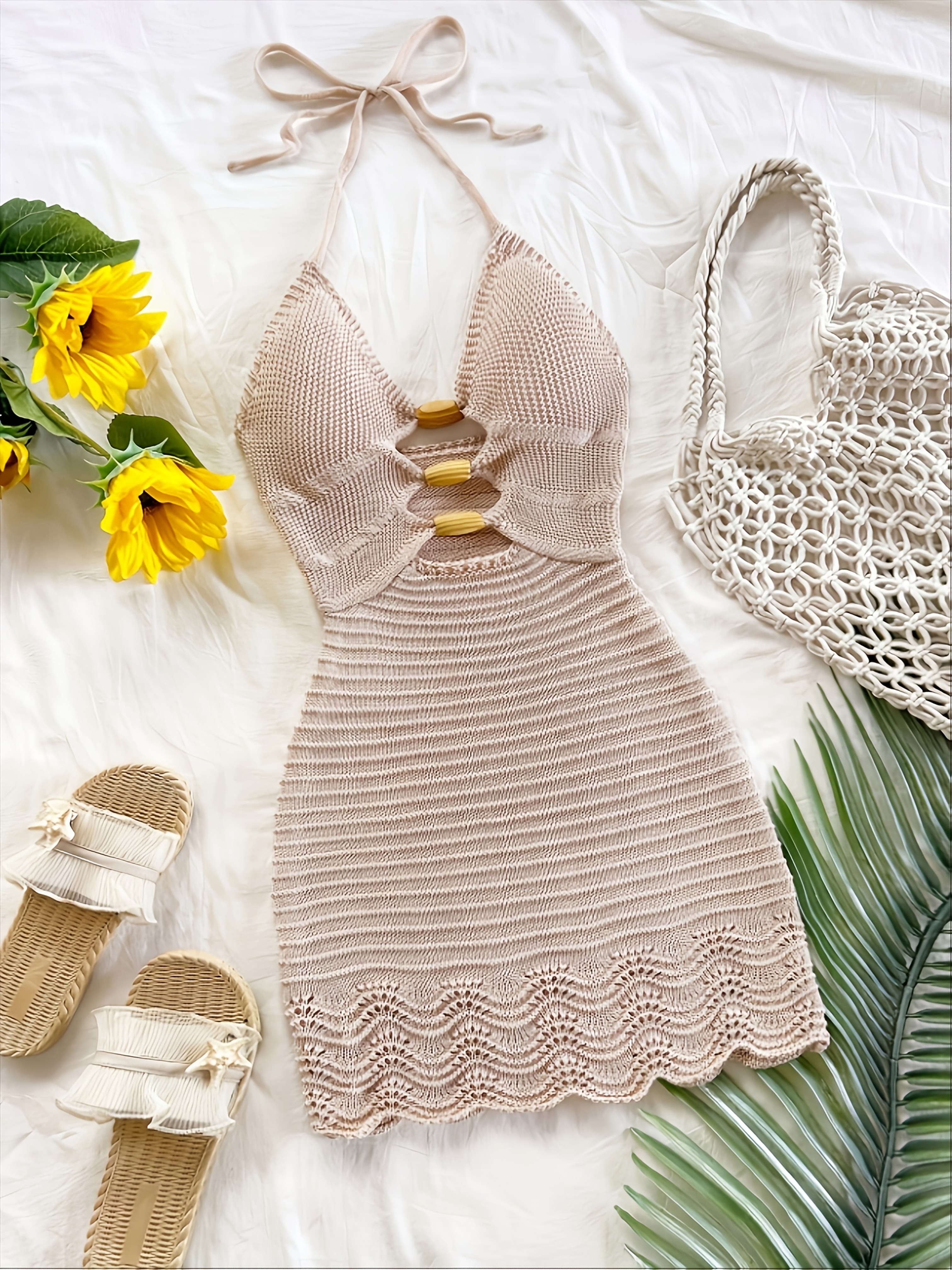
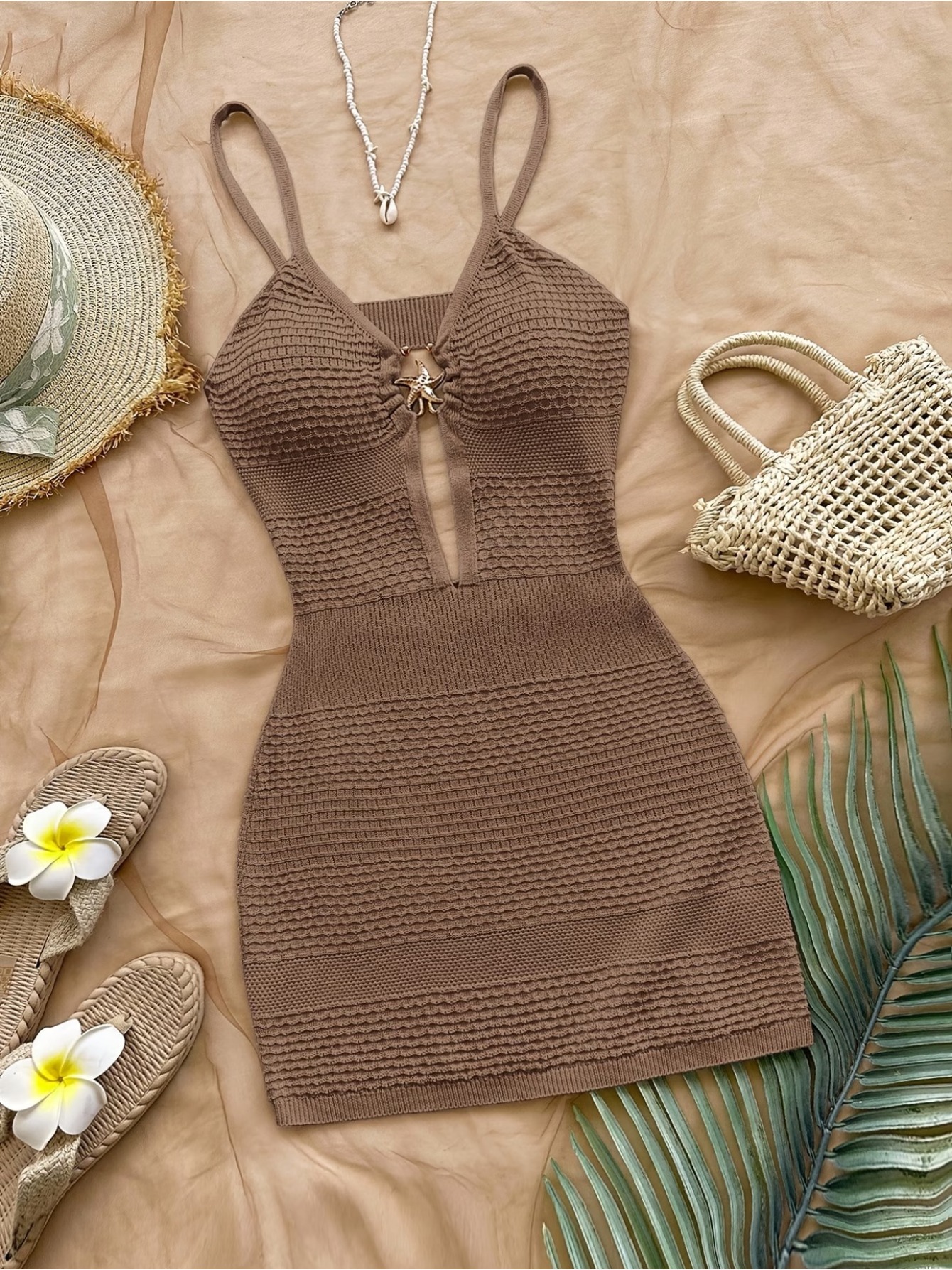

The ability to move quickly from idea to product is another defining feature of trend-based fashion platforms. Traditional fashion brands often require months to design, produce, and distribute new collections. In contrast, trend-based platforms operate on much shorter timelines. They use flexible supply chains and smaller production runs to test new styles. If an item performs well, production can be increased rapidly. If it doesn’t, it can be replaced just as quickly. This approach minimizes risk while maximizing responsiveness. It also ensures that consumers always have access to fresh and relevant options.
Convenience as a Competitive Advantage
Convenience is another major factor contributing to the growth of these platforms. The entire shopping experience is designed to be as seamless as possible. From easy-to-navigate apps to fast checkout processes and reliable delivery options, every step is optimized for user satisfaction. Many platforms also offer features like customer reviews, size guides, and visual recommendations, which help shoppers make informed decisions. In a world where time is increasingly valuable, this level of efficiency is a significant advantage.
The Impact of Cultural and Economic Factors
Cultural and economic factors have also played a role in the rise of trend-based fashion platforms. The United States is a diverse market with a wide range of tastes, preferences, and income levels. Trend-based platforms cater to this diversity by offering an extensive variety of styles. At the same time, economic uncertainty in recent years has made consumers more price-conscious. Affordable fashion options provide a way for people to maintain a sense of style and normalcy without overspending. This balance between cost and creativity has helped these platforms gain widespread appeal.
Challenges: Sustainability and Ethical Concerns
Despite their success, trend-based fashion platforms are not without criticism. One of the biggest concerns is sustainability. The rapid production and consumption of clothing can lead to increased waste and environmental strain. As awareness of these issues grows, consumers are beginning to question the long-term impact of fast fashion. Ethical concerns related to labor practices and supply chain transparency have also come into focus. Addressing these challenges is crucial for the future of the industry. Platforms that take meaningful steps toward sustainability and ethical responsibility will likely have a stronger position in the market moving forward.
Looking Ahead: The Future of Fast-Moving Fashion
The future of trend-based fashion platforms will likely be shaped by their ability to balance speed with responsibility. Innovation will continue to play a key role, with technologies like artificial intelligence, virtual try-ons, and augmented reality enhancing the shopping experience. At the same time, consumer expectations are evolving. People are becoming more aware of the impact of their choices and are seeking brands that align with their values. Platforms that can adapt to these changing expectations while maintaining their core strengths will continue to thrive.
FAQ
Who should use Fashion & Lifestyle
Why Trend-Based Fashion Platforms Are Booming in the U.S. is built for readers who want a faster way to finish everyday web tasks. The main goal is shorter workflows, clearer outputs, and reusable tool habits, so the guide focuses on practical choices instead of broad theory.
Use it when you need one of these outcomes:
- testing a task before choosing a heavier app
- saving time on a repeated browser workflow
- combining a guide with a related AltFTool utility
How to get a better result
- Read the core use case and decide what output you need.
- Open the related AltFTool utility and test it with a small sample.
- Review the result, adjust settings, and repeat only if needed.
- Continue with related tools or guides for the next step in the workflow.
Start small, check the first output, and only then repeat the workflow with the full file, text, media, or game session. That gives you a quick quality check before you spend more time.
Quality checks before you trust the output
- the input is clean before running the tool
- the output matches the format you need
- private details are removed before sharing or downloading
Do not overcomplicate a simple task. Start with the smallest sample that proves the workflow, then scale up once the output looks right.
Continue your workflow
If you want to try the workflow now, open the related AltFTool tool area. For more reading, continue through the Fashion & Lifestyle archive or the AltFTool tools directory.
This creates a cleaner path from explanation to action: read the guide, test the tool, compare the output, and move into the next related AltFTool resource only when it helps the task.
Reader questions
Quick answers
What is Why Trend-Based Fashion Platforms Are Booming in the U.S. about?
.quote-box { padding:20px 25px; border-left:5px solid #1e88e5; border-radius:10px; font-size:18px; line-height:1.6; font-style:
When should I use Fashion & Lifestyle?
Use Fashion & Lifestyle when you need testing a task before choosing a heavier app or saving time on a repeated browser workflow. It is best for shorter workflows, clearer outputs, and reusable tool habits.
How do I get better results from Fashion & Lifestyle?
Start with a small sample, then check that the input is clean before running the tool and the output matches the format you need. Review the output before using it in a final workflow.
Where can I find more Fashion & Lifestyle guides?
Use the AltFTool blog archive, AltFTool tools directory, and related links on this page to explore more Fashion & Lifestyle tutorials, tool workflows, and practical recommendations.
Sources and review notes
References used to check facts, freshness, and reader-safe recommendations in this guide.
Reviewed against AltFTool editorial guidance, related site archives, and linked tool pages for freshness and reader usefulness.
- 1
- 2AltFTool tools directory
AltFTool
Discussion
0 comments
No comments yet
Discussion will appear here once it loads.