
Traveling from the UK to Europe by ferry is one of those experiences that blends practicality with a sense of adventure. Unlike flying, where the journey often feels rushed and stressful, ferry travel gives you time to slow down, breathe in the fresh sea air, and truly enjoy the transition from one destination to another. Whether you're planning a road trip across Europe, a relaxing holiday, or a family getaway, ferries offer a comfortable and flexible way to travel. This guide will walk you through everything you need to know, from routes and booking tips to onboard experiences and travel advice.
Why Choose Ferry Travel Over Flying?
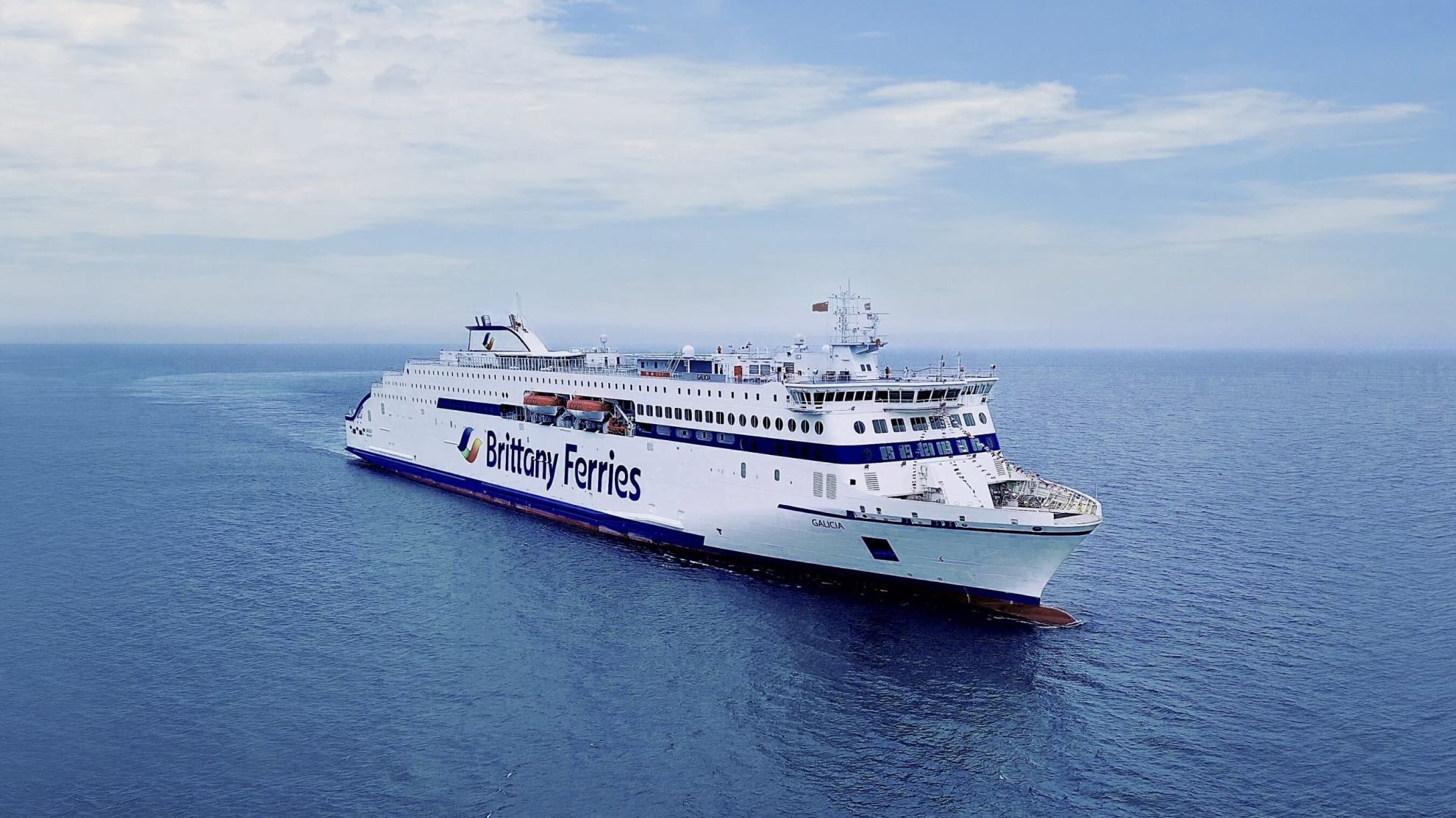
Choosing a ferry instead of a flight can completely change how your trip feels. One of the biggest advantages is flexibility. You don’t have to worry about strict luggage limits or airport security queues. Instead, you can bring your car, pack as much as you need, and travel at your own pace. This is especially helpful for families, long trips, or traveler's carrying extra gear.
Another reason people prefer ferries is comfort. You’re not confined to a seat the entire time—you can walk around, enjoy meals, relax on deck, or even book a private cabin on longer journeys. The journey itself becomes part of your travel experience rather than just a means to an end.
Popular Ferry Routes from the UK to Europe
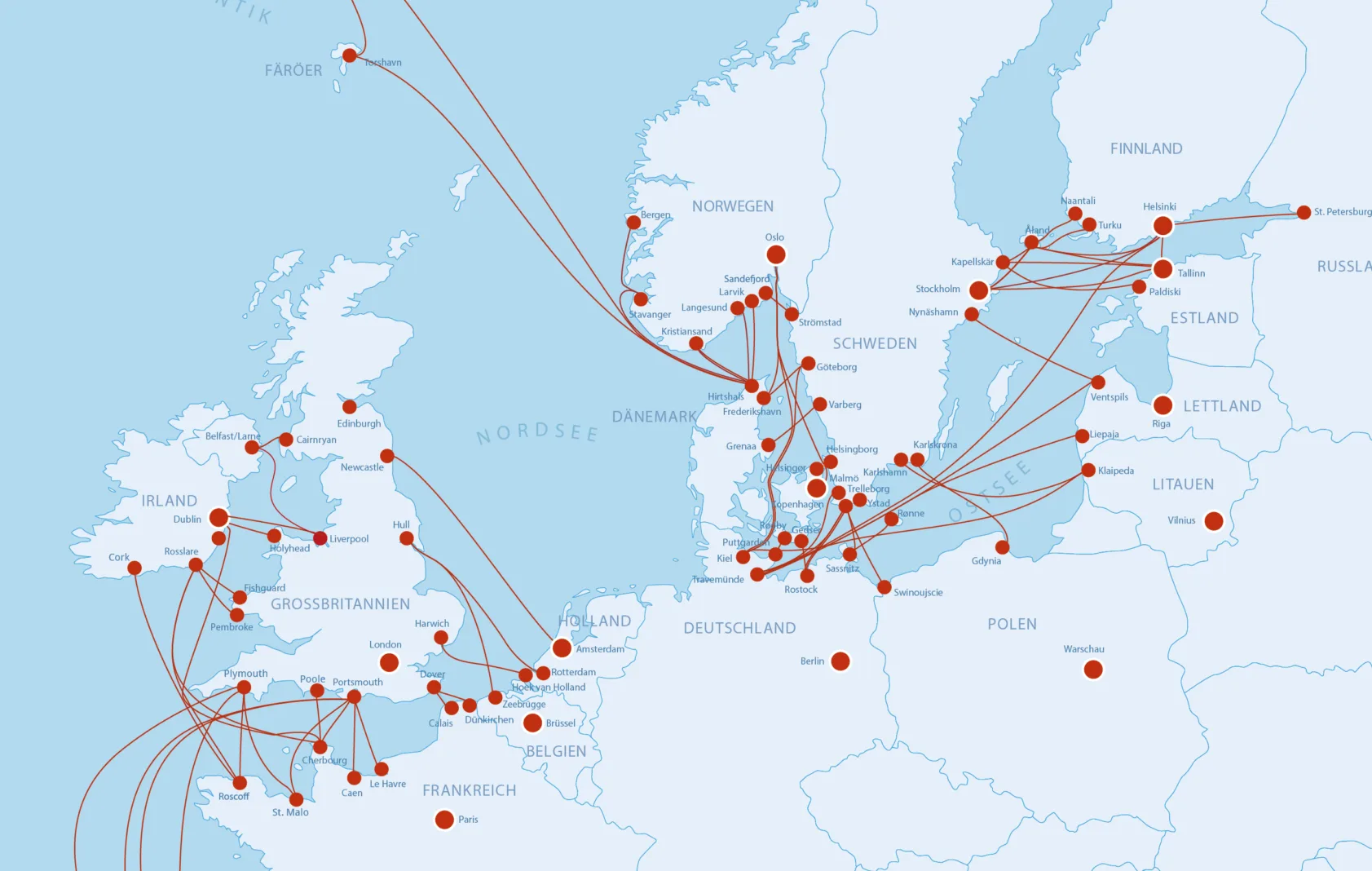
There are several ferry routes connecting the UK to mainland Europe, each catering to different travel needs. The Dover to Calais route is one of the fastest and most popular, taking just about 90 minutes. It’s ideal for traveler's heading into France or planning to explore nearby European countries.
For those looking for a more relaxed journey, routes like Portsmouth to Caen or Le Havre offer overnight travel options with comfortable cabins. If you're traveling from northern England, Hull to Rotterdam is a convenient choice, especially for reaching the Netherlands and beyond. Some routes even extend to Spain and Ireland, making ferry travel a versatile option for various itineraries.
Ferry Routes Overview Table
Below is a simple table to help you compare some of the most popular ferry routes:
| Route | Duration | Best For | Travel Type |
| Dover to Calais | 1.5 hours | Budget & quick trips | Day trip |
| Portsmouth to Caen | 5–6 hours | Comfortable travel to France | Day/Overnight |
| Portsmouth to Le Havre | 9–10 hours | Leisure travel | Overnight |
| Hull to Rotterdam | 11–12 hours | Northern England travelers | Overnight |
| Plymouth to Santander | 20+ hours | Spain road trips | Long-haul ferry |
Booking Your Ferry Tickets

Booking ferry tickets is simple, but a little planning can go a long way. It’s always a good idea to book early, especially during peak seasons like summer holidays, as prices tend to increase closer to the departure date. Comparing different routes can also help you find better deals or more convenient schedules.
When booking, you’ll need to provide passenger details and vehicle information if you're bringing one. Many ferry services also offer optional add-ons such as meals, cabins, and priority boarding. These extras can enhance your journey, especially on longer routes where comfort becomes more important.
What to Expect Onboard
Ferry travel today is designed to be comfortable and enjoyable. On shorter journeys, you’ll find spacious seating areas, cafés, and viewing decks. On longer crossings, ferries often feel more like floating hotels.
You can book private cabins with beds and bathrooms, dine at onboard restaurants, and even shop or enjoy entertainment facilities. Outdoor decks are a highlight for many travelers, offering beautiful sea views and a chance to relax in the open air. The overall atmosphere is calm and far less hectic compared to airports.
Traveling with a Vehicle
One of the biggest benefits of ferry travel is the ability to take your own vehicle. This gives you complete freedom once you arrive in Europe, allowing you to explore at your own pace without relying on public transport or rentals.
The process is straightforward—you drive onto the ferry, park your vehicle, and then head to the passenger areas. Upon arrival, you simply drive off and continue your journey. Just make sure you have all necessary documents, including insurance and registration, and check the driving requirements for your destination country.
Travel Documents and Requirements

Before you travel, it’s essential to have all your documents in order. A valid passport is mandatory for crossing from the UK to Europe. Depending on your nationality, you may also need to check visa requirements, although many short tourist trips do not require one.
Travel insurance is highly recommended to cover unexpected situations. If you're bringing a vehicle, carry all relevant documents, including insurance papers and any required safety equipment. Border checks are usually smooth but can take time during busy periods, so arriving early is always a smart move.
Best Time to Travel by Ferry
Ferries operate throughout the year, but the experience can vary depending on the season. Summer offers calm seas and pleasant weather, making it the most popular time to travel. However, it also comes with higher prices and larger crowds.
Spring and autumn are often considered the best times for a balance between good weather and fewer tourists. Winter, on the other hand, can be more affordable but may involve rougher seas and limited schedules. Choosing the right time depends on your priorities—whether it's budget, comfort, or convenience.
Tips for a Smooth Ferry Journey
A little preparation can make your ferry journey much more enjoyable. Arriving early helps you avoid last-minute stress and ensures a smooth check-in process. Packing a small bag with essentials is also important, as you may not have access to your vehicle during the trip.
Dressing in layers is a good idea since temperatures can vary onboard. Taking time to explore the ferry, enjoy the facilities, and relax will make the journey feel like part of your holiday rather than just transportation.
Environmental Benefits of Ferry Travel

Ferry travel can be a more environmentally conscious option, especially when traveling with multiple passengers in one vehicle. It helps reduce the overall carbon footprint compared to individual flights. Many ferry operators are also investing in greener technologies, such as cleaner fuels and energy-efficient vessels, making this mode of transport increasingly sustainable.
Frequently Asked Questions (FAQs)
Who should use Travel
Ultimate Guide to Crossing from the UK to Europe by Ferry is built for readers who want a faster way to finish everyday web tasks. The main goal is shorter workflows, clearer outputs, and reusable tool habits, so the guide focuses on practical choices instead of broad theory.
Use it when you need one of these outcomes:
- testing a task before choosing a heavier app
- saving time on a repeated browser workflow
- combining a guide with a related AltFTool utility
How to get a better result
- Read the core use case and decide what output you need.
- Open the related AltFTool utility and test it with a small sample.
- Review the result, adjust settings, and repeat only if needed.
- Continue with related tools or guides for the next step in the workflow.
Start small, check the first output, and only then repeat the workflow with the full file, text, media, or game session. That gives you a quick quality check before you spend more time.
Quality checks before you trust the output
- the input is clean before running the tool
- the output matches the format you need
- private details are removed before sharing or downloading
Do not overcomplicate a simple task. Start with the smallest sample that proves the workflow, then scale up once the output looks right.
Continue your workflow
If you want to try the workflow now, open the related AltFTool tool area. For more reading, continue through the Travel archive or the AltFTool tools directory.
This creates a cleaner path from explanation to action: read the guide, test the tool, compare the output, and move into the next related AltFTool resource only when it helps the task.
Reader questions
Quick answers
What is Ultimate Guide to Crossing from the UK to Europe by Ferry about?
Traveling from the UK to Europe by ferry is one of those experiences that blends practicality with a sense of adventure. Unlike flying, where the journey often
When should I use Travel?
Use Travel when you need testing a task before choosing a heavier app or saving time on a repeated browser workflow. It is best for shorter workflows, clearer outputs, and reusable tool habits.
How do I get better results from Travel?
Start with a small sample, then check that the input is clean before running the tool and the output matches the format you need. Review the output before using it in a final workflow.
Where can I find more Travel guides?
Use the AltFTool blog archive, AltFTool tools directory, and related links on this page to explore more Travel tutorials, tool workflows, and practical recommendations.
Sources and review notes
References used to check facts, freshness, and reader-safe recommendations in this guide.
Reviewed against AltFTool editorial guidance, related site archives, and linked tool pages for freshness and reader usefulness.
- 1AltFTool Travel archive
AltFTool
- 2AltFTool tools directory
AltFTool
Discussion
0 comments
No comments yet
Discussion will appear here once it loads.