
The ketogenic diet, commonly known as the keto diet, has become one of the most talked-about eating patterns in recent years. Built around reducing carbohydrate intake and increasing healthy fats, the keto diet encourages the body to use fat as its primary source of energy instead of carbohydrates. While people choose this approach for different reasons, understanding how it works can help you decide whether it aligns with your lifestyle and nutritional goals.
This guide explains the basics of the ketogenic diet, highlights foods commonly included and avoided, shares beginner-friendly meal ideas, and offers practical tips for getting started.
What Is the Keto Diet?
The keto diet is a low-carbohydrate, high-fat eating pattern. By significantly reducing carbohydrates, the body may enter a metabolic state called ketosis, where it relies more on fat for energy instead of glucose.
A typical ketogenic diet emphasizes whole, minimally processed foods while limiting foods that are high in sugar and starch. Individual carbohydrate targets vary depending on personal needs and guidance from a healthcare professional or registered dietitian.
How Does Ketosis Work?
Normally, carbohydrates are the body's primary fuel source. When carbohydrate intake is greatly reduced, the liver begins producing compounds called ketones from fat. These ketones can serve as an alternative energy source for many tissues in the body.
Reaching and maintaining ketosis depends on several factors, including carbohydrate intake, activity level, and individual metabolism. Not everyone responds to dietary changes in the same way.
Foods Commonly Included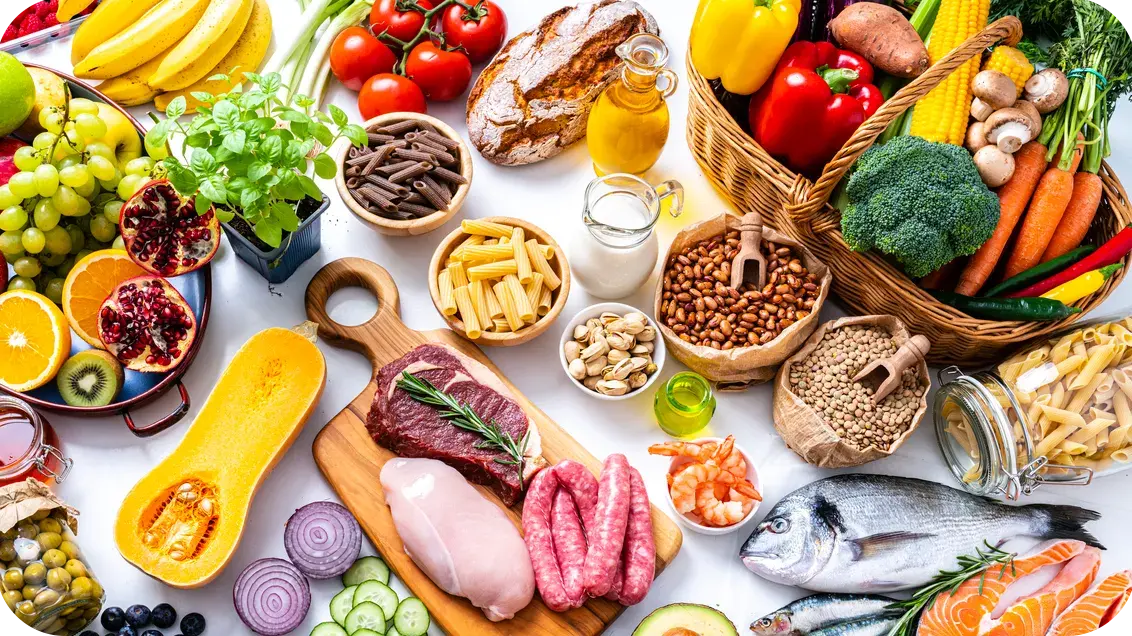
Many keto-friendly meals are built around nutrient-rich ingredients such as:
- Eggs
- Fish like salmon, tuna, and sardines
- Poultry
- Beef and pork
- Avocados
- Olive oil
- Coconut oil
- Butter or ghee
- Cheese
- Plain Greek yogurt (depending on carbohydrate content)
- Leafy greens
- Broccoli
- Cauliflower
- Zucchini
- Bell peppers
- Mushrooms
- Nuts and seeds
These foods provide a combination of protein, healthy fats, vitamins, minerals, and fiber.
Foods Commonly Limited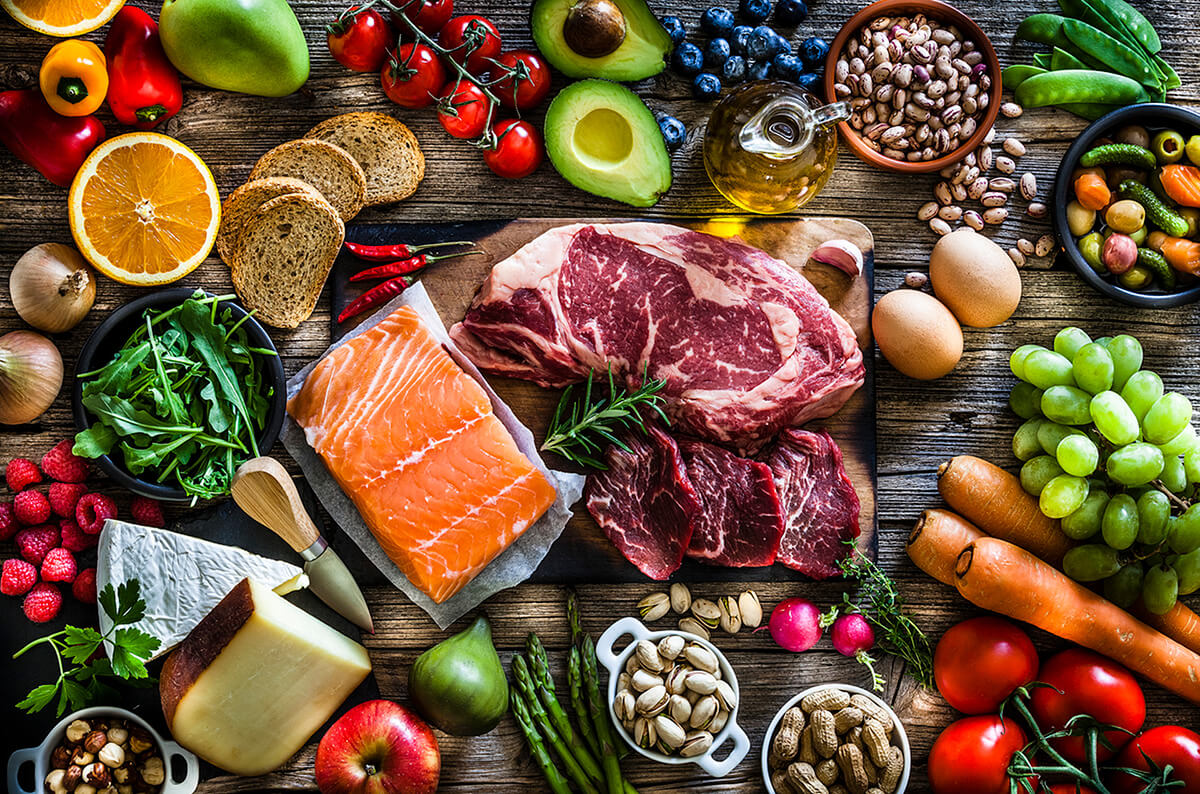
The ketogenic diet generally limits foods high in carbohydrates, including:
- Bread
- Rice
- Pasta
- Breakfast cereals
- Potatoes
- Corn
- Most sweets
- Sugary drinks
- Cakes and cookies
- Candy
- Fruit juice
Some fruits are also limited because of their natural sugar content, although small portions may fit into certain meal plans depending on individual goals.
Beginner-Friendly Low-Carb Meal Ideas
Starting a keto diet doesn't have to be complicated. Simple meals often work best.
Breakfast
- Scrambled eggs with spinach and cheese
- Omelet with mushrooms and peppers
- Full-fat Greek yogurt topped with a few nuts and seeds
Lunch
- Grilled chicken salad with olive oil dressing
- Tuna salad wrapped in lettuce leaves
- Zucchini noodles with pesto and grilled shrimp
Dinner
- Baked salmon with roasted broccoli
- Grilled steak with cauliflower mash
- Chicken thighs with sautéed green beans
Snacks
- Cheese cubes
- Almonds or walnuts
- Celery with nut butter
- Hard-boiled eggs
- Cucumber slices with cream cheese
Tips for Getting Started
If you're considering a ketogenic diet, these tips may help:
- Plan meals before grocery shopping.
- Focus on whole foods whenever possible.
- Drink enough water throughout the day.
- Include non-starchy vegetables with meals.
- Read nutrition labels carefully to check carbohydrate content.
- Prepare meals at home more often to better manage ingredients.
- Give yourself time to adjust to a new eating routine.
Small, consistent changes are often easier to maintain than dramatic overnight changes.
Meal Planning Tips
Meal planning can simplify grocery shopping and reduce the temptation to rely on convenience foods. Choose a protein source, add low-carbohydrate vegetables, and include a healthy fat such as olive oil, avocado, or nuts.
Preparing meals in advance can save time during busy weekdays and help maintain consistency.
Staying Hydrated
Hydration is important for overall health regardless of the eating pattern you follow. Water should be your primary beverage, and unsweetened tea or coffee can also fit into many keto meal plans. If you have questions about electrolyte needs or hydration, consult a healthcare professional.
Reading Food Labels
Nutrition labels can help you compare products and understand what you're eating. Pay attention to:
- Serving size
- Total carbohydrates
- Dietary fiber
- Added sugars
- Ingredient list
Choosing foods with simple ingredient lists and minimal added sugars can make meal planning easier.
Is the Keto Diet Right for Everyone?
The ketogenic diet is not appropriate for everyone. Individual nutritional needs differ based on age, health conditions, medications, activity level, and personal preferences. Before making significant dietary changes, especially if you have diabetes, kidney disease, liver disease, or another medical condition, consult a qualified healthcare professional or registered dietitian.
A healthcare provider can help determine whether a ketogenic diet is suitable for your circumstances and how to follow it safely.
The keto diet is a low-carbohydrate, high-fat eating pattern designed to reduce carbohydrate intake.
Common choices include meat, fish, eggs, healthy fats, cheese, nuts, seeds, and non-starchy vegetables.
Yes, many beginners start by planning simple meals and gradually adjusting their eating habits.
Many people track carbohydrate intake, especially when starting, but the approach varies by individual.
The keto diet is a low-carbohydrate, high-fat eating pattern designed to reduce carbohydrate intake.
Common choices include meat, fish, eggs, healthy fats, cheese, nuts, seeds, and non-starchy vegetables.
Yes, many beginners start by planning simple meals and gradually adjusting their eating habits.
Many people track carbohydrate intake, especially when starting, but the approach varies by individual.
The Ultimate Keto Diet Guide | Ketogenic Diet, Low-Carb Recipes & Tips is easier when the workflow is broken into clear steps. This guide explains what to check first, how to avoid common mistakes, and where AltFTool can speed up the task.
Before you start
- Define the result you want from the ultimate keto diet guide | ketogenic diet, low-carb recipes & tips.
- Collect the files, links, or details you need before using a tool.
- Check the final output before downloading, sharing, or publishing it.
Step-by-step workflow
- Choose the right method. Match the tool or process to the exact task.
- Review the settings. Look for quality, format, privacy, and output options.
- Save the result. Keep the final file or link in a place you can find later.
Final thoughts
Use this process when you need a fast but careful way to handle the ultimate keto diet guide | ketogenic diet, low-carb recipes & tips. Keep the steps simple, check the source details, and use related AltFTool resources when the task needs a dedicated utility.
Who should use Food
The Ultimate Keto Diet Guide | Ketogenic Diet, Low-Carb Recipes & Tips is built for readers who want a faster way to finish everyday web tasks. The main goal is shorter workflows, clearer outputs, and reusable tool habits, so the guide focuses on practical choices instead of broad theory.
Use it when you need one of these outcomes:
- testing a task before choosing a heavier app
- saving time on a repeated browser workflow
- combining a guide with a related AltFTool utility
How to get a better result
- Read the core use case and decide what output you need.
- Open the related AltFTool utility and test it with a small sample.
- Review the result, adjust settings, and repeat only if needed.
- Continue with related tools or guides for the next step in the workflow.
Start small, check the first output, and only then repeat the workflow with the full file, text, media, or game session. That gives you a quick quality check before you spend more time.
Quality checks before you trust the output
- the input is clean before running the tool
- the output matches the format you need
- private details are removed before sharing or downloading
Do not overcomplicate a simple task. Start with the smallest sample that proves the workflow, then scale up once the output looks right.
Continue your workflow
If you want to try the workflow now, open the related AltFTool tool area. For more reading, continue through the Food archive or the AltFTool tools directory.
This creates a cleaner path from explanation to action: read the guide, test the tool, compare the output, and move into the next related AltFTool resource only when it helps the task.
Sources and review notes
References used to check facts, freshness, and reader-safe recommendations in this guide.
Reviewed against AltFTool editorial guidance, related site archives, and linked tool pages for freshness and reader usefulness.
- 1AltFTool Food archive
AltFTool
- 2AltFTool tools directory
AltFTool
Discussion
0 comments
No comments yet
Discussion will appear here once it loads.