
In today’s fast-paced world, balancing work, personal life, and daily responsibilities can feel overwhelming. Among all the tasks we handle each week, grocery shopping often takes more time and effort than expected. Visiting crowded stores, waiting in long checkout lines, and searching for the right products can quickly become exhausting.
Fortunately, online grocery shopping has transformed the way people manage their weekly needs. Platforms like Morrisons Groceries, Zomato, Swiggy, and BigBasket allow you to order everything from fresh fruits to household essentials with just a few clicks and have them delivered straight to your doorstep. However, while online shopping is convenient, the real advantage lies in doing it smartly.
Smart online grocery shopping is not just about convenience—it’s about saving money, reducing waste, and making better choices. With a thoughtful approach, you can turn a routine task into an efficient and cost-effective habit.
Why Online Grocery Shopping is a Game-Changer
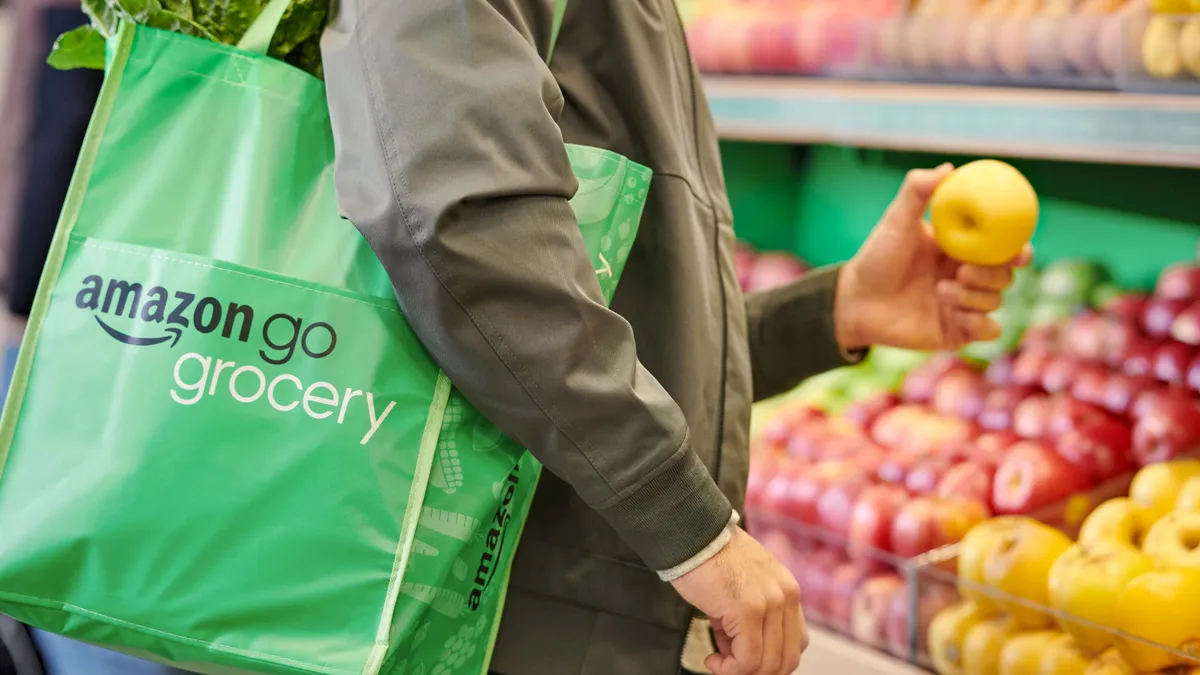
Online grocery shopping has become increasingly popular because it simplifies one of the most essential weekly tasks. Instead of adjusting your schedule to visit a store, you can shop anytime that suits you. Whether it’s early morning or late at night, everything is accessible at your fingertips.
Another major benefit is the level of control it offers. In physical stores, attractive displays and promotions often lead to impulse buying. Online platforms, on the other hand, allow you to focus on what you actually need. You can search for specific products, compare prices instantly, and keep track of your total spending as you shop.
In addition, online grocery stores often provide detailed product descriptions, customer reviews, and flexible delivery options. This makes it easier to make informed decisions and avoid unnecessary purchases.
The Importance of Planning Ahead
One of the most effective ways to shop smartly is by planning ahead. Without a clear plan, it’s easy to either forget essential items or end up buying things you don’t really need.
Start by creating a weekly grocery list. Think about your meals for the week, your daily consumption, and any special requirements. Planning meals in advance not only saves time but also ensures that you buy only what is necessary.
A well-prepared list acts as a guide during shopping. It keeps you focused and reduces the chances of overspending. Over time, this simple habit can make a significant difference in both your budget and your efficiency.
Setting a Budget and Sticking to It

Budgeting is a key element of smart grocery shopping. Without a defined limit, it’s easy to lose track of how much you’re spending, especially when shopping online.
One advantage of online platforms is that they display your cart total in real time. This allows you to monitor your spending as you add items. Before you start shopping, decide on a fixed weekly budget based on your needs and income.
If your total begins to exceed your budget, take a moment to review your cart. Ask yourself whether each item is necessary. Removing even a few non-essential products can help you stay within your limit. Practicing this discipline regularly leads to better financial control and long-term savings.
Comparing Prices for Better Value
One of the biggest advantages of online grocery shopping is the ability to compare prices easily. In a physical store, comparing multiple brands can be time-consuming. Online, it takes only a few seconds.
Instead of selecting the first product you see, explore different options. You may find the same item at a lower price under a different brand or in a larger pack. Many platforms also highlight discounts, offers, and value packs that can help you save money.
Taking a little extra time to compare prices ensures that you get the best value for your money without compromising on quality. Over time, these small savings add up significantly.
Avoiding the Trap of Impulse Buying

Impulse buying is one of the biggest reasons people overspend on groceries. Even when shopping online, it’s easy to add extra items to your cart just because they look appealing or are on discount.
To avoid this, it’s important to stay disciplined. Stick to your grocery list and avoid browsing unnecessary categories. Before placing your order, review your cart carefully. If something doesn’t serve a clear purpose, remove it.
This habit not only saves money but also prevents clutter and food waste at home. Smart shopping is about buying what you need, not everything that looks attractive.
Choosing the Right Delivery Options
Delivery choices play an important role in both convenience and cost. Many online grocery platforms offer multiple delivery options, including same-day delivery, scheduled delivery, and pick-up services.
While fast delivery can be tempting, it often comes with additional charges. Planning your grocery shopping in advance allows you to choose standard delivery options, which are usually more affordable or even free.
Being flexible with your delivery timing can help you save extra money. It also ensures that you receive your groceries at a time that fits your schedule without unnecessary stress.
Buying in Bulk the Smart Way

Bulk buying is a popular strategy for saving money, but it needs to be done carefully. Buying large quantities can reduce the cost per unit, especially for items that you use regularly.
However, it’s important to focus on non-perishable products such as grains, packaged foods, and household essentials. These items have a longer shelf life and are less likely to go to waste.
For fresh items like fruits, vegetables, and dairy products, it’s better to buy only what you can consume within a few days. This prevents spoilage and ensures that you always have fresh and healthy food at home.
Making Healthier Choices While Shopping
Smart grocery shopping is not just about saving money—it’s also about improving your lifestyle. The choices you make while shopping directly impact your health and well-being.
When shopping online, take the opportunity to prioritize fresh and nutritious items. Focus on fruits, vegetables, whole grains, and essential ingredients. Try to limit processed and unhealthy snacks that add little nutritional value.
By making healthier choices, you not only improve your diet but also reduce unnecessary spending on items that don’t benefit you in the long run.
Using Discounts, Coupons, and Rewards

One of the biggest advantages of online grocery shopping is access to exclusive deals and rewards. Many platforms offer discounts, promo codes, cashback offers, and loyalty programs.
Before completing your purchase, always check for available offers. Applying a simple promo code can reduce your total bill instantly. Loyalty programs, on the other hand, provide long-term benefits by rewarding you for regular shopping.
Although each discount may seem small, combining multiple offers can lead to significant savings over time. Being aware of these opportunities helps you maximize the value of every purchase.
Smart Grocery Shopping Table
| Category | Smart Tips | Time-Saving Benefit | Money-Saving Benefit |
| Planning | Create a weekly grocery list | Reduces browsing time | Avoids unnecessary purchases |
| Budgeting | Set a fixed budget | Speeds up decision-making | Controls overspending |
| Offers & Deals | Use discounts and coupons | Quickly find best deals | Saves money on purchases |
| Bulk Buying | Buy non-perishable items in bulk | Reduces frequent orders | Lowers cost per unit |
| Price Comparison | Compare prices across different apps | Helps choose quickly | Finds the cheapest option |
| Delivery Options | Choose free delivery slots | Ensures timely delivery | Saves extra delivery charges |
| Substitutions | Select alternative products if needed | Avoids out-of-stock delays | Can find cheaper alternatives |
| Digital Payments | Use cashback and reward offers | Faster checkout process | Earn cash back and savings |
Learning from Your Shopping Habits
Smart shopping is a continuous process of learning and improving. After each grocery order, take a moment to reflect on your purchases.
Think about what you used effectively and what went to waste. Did you stick to your budget? Were there items you didn’t really need? Understanding your habits helps you make better decisions in the future.
Over time, you’ll develop a more efficient system that saves both time and money while meeting your needs perfectly.
Conclusion
Smart online grocery shopping is all about making thoughtful and informed decisions. While online platforms provide convenience, the real benefits come from how you use them.
By planning ahead, setting a budget, comparing prices, and avoiding impulse buying, you can significantly reduce your expenses and save valuable time each week. At the same time, focusing on essential and healthy items ensures a better lifestyle for you and your family.
With consistency and a little discipline, grocery shopping can become a smooth, efficient, and cost-effective routine. Instead of being a weekly burden, it turns into a smart habit that supports both your financial goals and your daily life.
FAQs
1. Is online grocery shopping really cheaper?
Yes, it can be cheaper if you compare prices, use discounts, and avoid impulse buying.
2. How can I stick to my grocery budget?
Set a fixed limit, monitor your cart total, and remove unnecessary items before checkout.
3. What items should I buy in bulk?
Non-perishable items like grains, packaged foods, and cleaning supplies are ideal for bulk buying.
4. How do I avoid food waste?
Plan your meals, buy only what you need, and avoid over-purchasing perishable items.
5. Can online grocery shopping save time?
Yes, it eliminates travel, reduces waiting time, and allows you to shop quickly from anywhere.
Who should use Food
Smart Online Grocery Shopping: Save Time and Money Every Week is built for readers who want a faster way to finish everyday web tasks. The main goal is shorter workflows, clearer outputs, and reusable tool habits, so the guide focuses on practical choices instead of broad theory.
Use it when you need one of these outcomes:
- testing a task before choosing a heavier app
- saving time on a repeated browser workflow
- combining a guide with a related AltFTool utility
How to get a better result
- Read the core use case and decide what output you need.
- Open the related AltFTool utility and test it with a small sample.
- Review the result, adjust settings, and repeat only if needed.
- Continue with related tools or guides for the next step in the workflow.
Start small, check the first output, and only then repeat the workflow with the full file, text, media, or game session. That gives you a quick quality check before you spend more time.
Quality checks before you trust the output
- the input is clean before running the tool
- the output matches the format you need
- private details are removed before sharing or downloading
Do not overcomplicate a simple task. Start with the smallest sample that proves the workflow, then scale up once the output looks right.
Continue your workflow
If you want to try the workflow now, open the related AltFTool tool area. For more reading, continue through the Food archive or the AltFTool tools directory.
This creates a cleaner path from explanation to action: read the guide, test the tool, compare the output, and move into the next related AltFTool resource only when it helps the task.
Reader questions
Quick answers
What is Smart Online Grocery Shopping: Save Time and Money Every Week about?
In today’s fast-paced world, balancing work, personal life, and daily responsibilities can feel overwhelming. Among all the tasks we handle each week, grocery s
When should I use Food?
Use Food when you need testing a task before choosing a heavier app or saving time on a repeated browser workflow. It is best for shorter workflows, clearer outputs, and reusable tool habits.
How do I get better results from Food?
Start with a small sample, then check that the input is clean before running the tool and the output matches the format you need. Review the output before using it in a final workflow.
Where can I find more Food guides?
Use the AltFTool blog archive, AltFTool tools directory, and related links on this page to explore more Food tutorials, tool workflows, and practical recommendations.
Sources and review notes
References used to check facts, freshness, and reader-safe recommendations in this guide.
Reviewed against AltFTool editorial guidance, related site archives, and linked tool pages for freshness and reader usefulness.
- 1AltFTool Food archive
AltFTool
- 2AltFTool tools directory
AltFTool
Discussion
0 comments
No comments yet
Discussion will appear here once it loads.