
In today’s fast-moving world, time has become one of the most valuable resources. Between work, family, and daily responsibilities, finding time to visit a grocery store can feel like a task in itself. This is where online grocery shopping platforms like Morrisons Groceries, Tesco Online, Amazon Fresh, and BigBasket have made a significant difference. They allow you to shop anytime, from anywhere, without the need to stand in long queues or carry heavy bags.
However, while online grocery shopping offers convenience, it doesn’t automatically guarantee savings. In fact, without the right approach, it can sometimes lead to higher spending due to easy access and tempting offers across platforms like Morrisons Groceries and other delivery services. The real advantage comes when you combine convenience with smart decision-making.
If used wisely, online grocery shopping—whether through Morrisons Groceries or similar services—can help you manage your weekly budget more efficiently while still maintaining quality and variety in your meals. The key lies in building simple habits that guide your spending and help you make better choices.
Plan Before You Shop
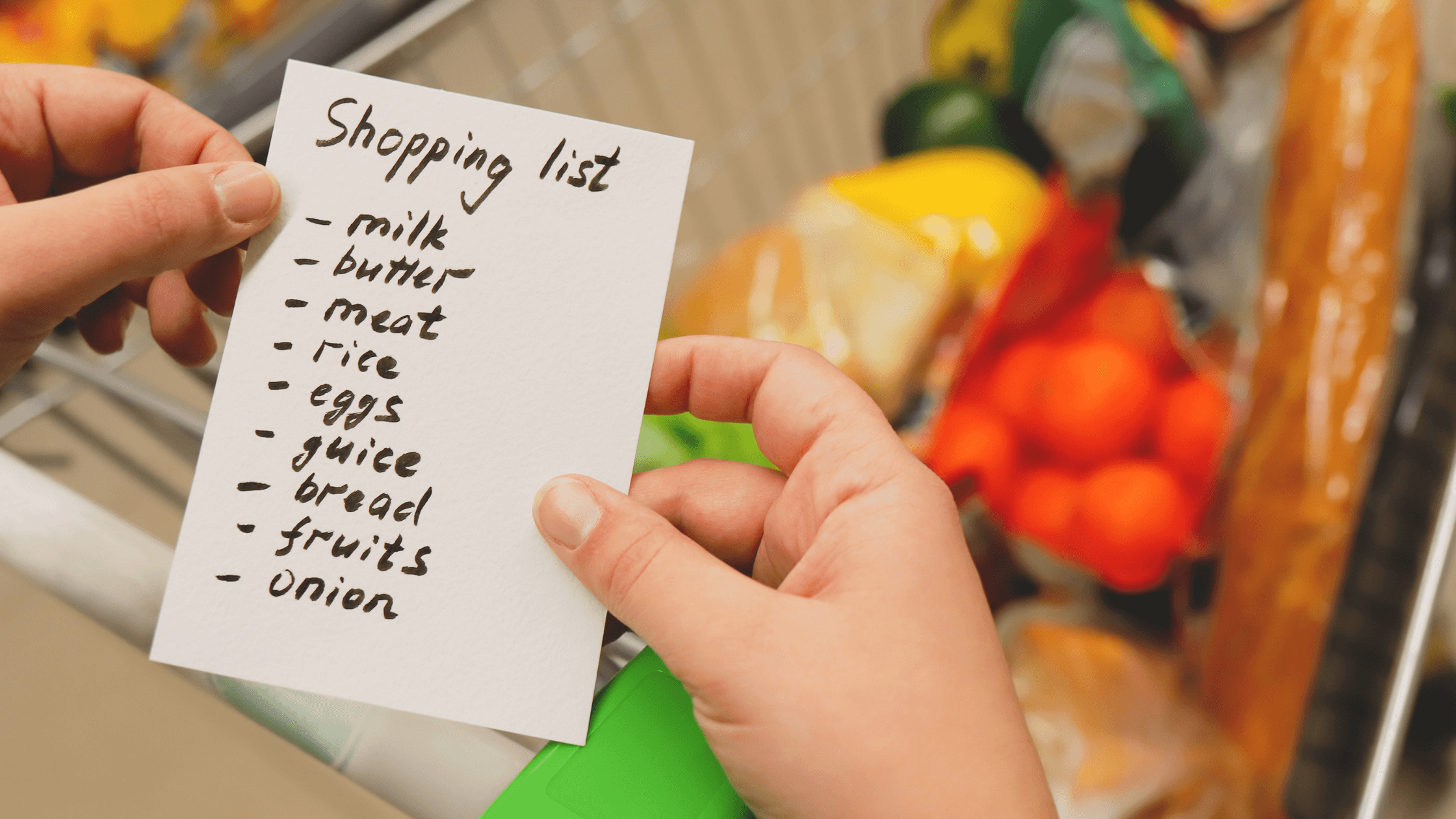
One of the most effective ways to save money on groceries is to plan ahead. Shopping without a clear plan often leads to unnecessary purchases, especially when you’re browsing through multiple categories online.
Start by thinking about your meals for the week. You don’t need a complicated plan—just a simple idea of what you’ll eat each day is enough. Once you have that, create a list of ingredients required for those meals. This approach gives your shopping a clear direction and prevents random additions to your cart.
Planning also helps reduce food waste. When you buy only what you need, you’re less likely to throw away unused items at the end of the week. Over time, this habit alone can make a noticeable difference in your overall grocery expenses.
Compare Prices Instead of Relying on
One of the biggest advantages of online grocery platforms is the ability to compare products quickly. In a physical store, you might pick a familiar brand without thinking twice. Online, however, you can easily explore alternatives.
Many shoppers tend to stick to the same brands out of habit, assuming they offer the best quality. While this may sometimes be true, it’s not always the most cost-effective option. Often, you’ll find similar products at lower prices, especially from lesser-known or store-owned brands.
Take a moment to compare prices, quantities, and value. Even a small difference in price per item can add up significantly over multiple purchases. Over a few weeks, these small savings can turn into a substantial amount.
Make the Most of Discounts and Offers

Online grocery stores are full of deals, but the real benefit comes when you use them strategically. Discounts, promotional codes, and cashback offers are frequently available, yet many shoppers overlook them in a hurry.
Before checking out, spend a little time exploring the offers section. You may find discounts on items already in your cart or discover better deals on similar products. Applying a coupon code or taking advantage of a bundle offer can instantly reduce your total bill.
It’s also helpful to stay updated with ongoing sales. Many platforms run weekly or seasonal promotions, and timing your purchase accordingly can help you save even more without compromising on quality.
Buy in Bulk—But Stay Practical
Bulk buying is often seen as a simple way to save money, and in many cases, it works. Items like rice, flour, pulses, cooking oil, and cleaning supplies are usually cheaper when purchased in larger quantities.
However, bulk buying only makes sense when the items are used regularly and have a long shelf life. Buying large quantities of perishable goods or products you rarely use can lead to waste, which cancels out any savings.
The idea is to be practical. Focus on essentials that are part of your daily routine. When done right, bulk buying reduces the cost per unit and saves you from placing frequent orders.
Pay Attention to Fresh Produce
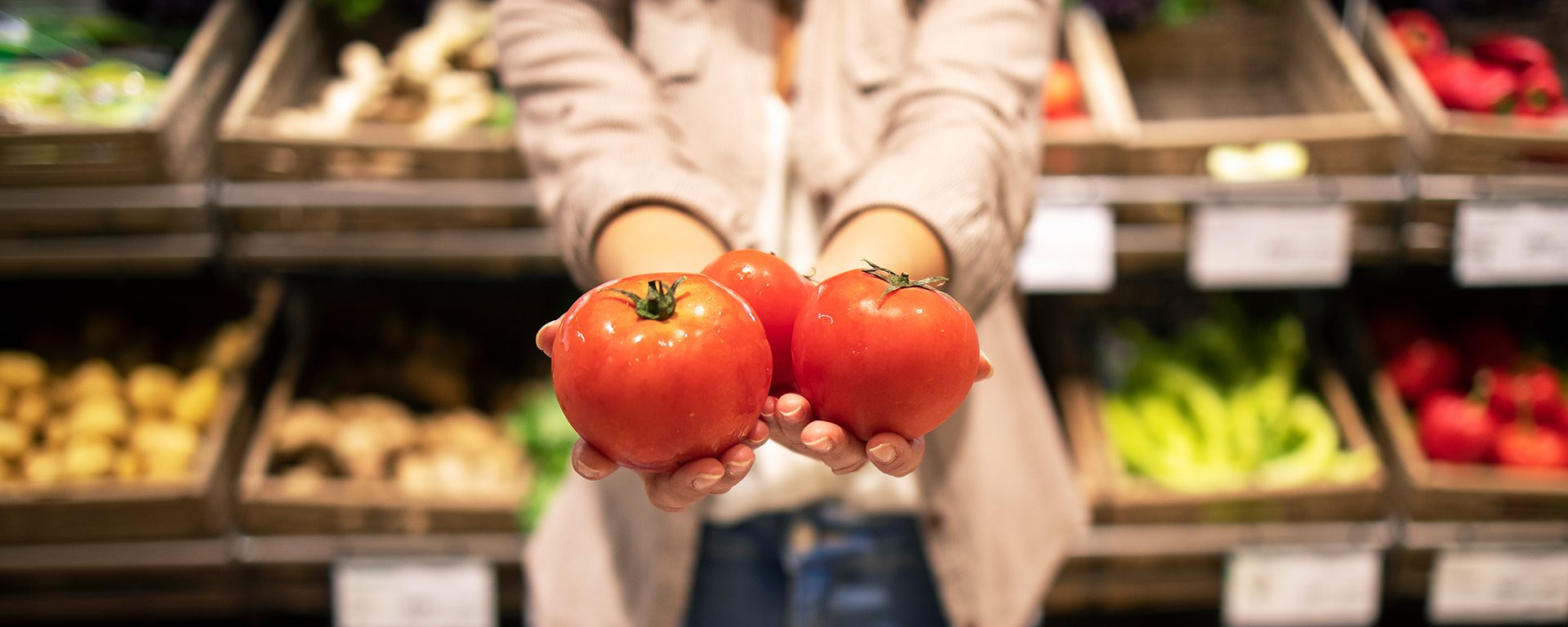
Fresh fruits and vegetables are an essential part of every grocery list. Many people believe that buying them online is expensive or less reliable, but that’s not always the case.
Online grocery platforms often offer competitive prices on fresh produce, especially during seasonal periods. Seasonal fruits and vegetables are not only more affordable but also fresher and better in quality.
Instead of avoiding fresh items online, explore the available options. Look for deals, check product descriptions, and choose quantities carefully. With a little attention, you can enjoy fresh and healthy food without overspending.
Control Impulse Buying
One of the biggest challenges of online shopping is resisting temptation. Platforms are designed to encourage additional purchases through recommendations like “you may also like” or “frequently bought together.”
While these suggestions can sometimes be useful, they often lead to unnecessary spending. It’s easy to add items to your cart without realizing how much the total is increasing.
The best way to handle this is to stay focused on your original list. Before completing your order, take a moment to review your cart. Removing items that are not essential can significantly reduce your bill.
Be Smart About Delivery Choices

Delivery fees are often overlooked but can quietly add to your total expense. While each charge may seem small, frequent orders with delivery fees can increase your monthly grocery spending.
To avoid this, try to plan your purchases in a way that reduces the number of orders you place. Combining items into a single order is usually more cost-effective.
Many platforms also offer free delivery above a certain order value or through subscription plans. If you shop online regularly, choosing such options can help you save money in the long run.
Track Your Spending Habits
One of the advantages of online shopping is that your purchase history is always available. This makes it easier to track your spending and understand your buying patterns.
Take some time to review your previous orders. You might notice items that you buy frequently but don’t really need, or products that could be replaced with cheaper alternatives.
Tracking your spending doesn’t require much effort, but it creates awareness. Once you understand where your money is going, it becomes easier to make smarter decisions and control your budget.
Consider Switching to Store Brands
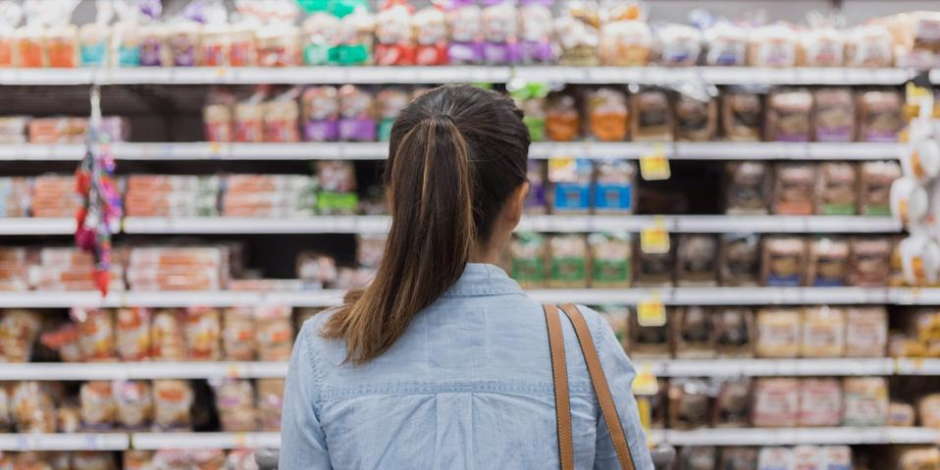
Store brands are often underrated, but they can be a great way to reduce your grocery expenses. These products are usually priced lower than well-known brands while offering similar quality.
Trying store brands for everyday items like flour, sugar, snacks, or dairy products can gradually lower your weekly bill. Over time, these small changes add up without affecting your lifestyle.
The key is to experiment. Start with a few items and see if they meet your expectations. In many cases, you’ll find that the difference is minimal, but the savings are noticeable.
Reduce Waste to Maximize Savings
Saving money isn’t just about finding cheaper products—it’s also about using what you buy efficiently. Food waste is one of the most common reasons people overspend on groceries.
When items are not stored properly or are bought in excess, they often end up being thrown away. This not only wastes money but also increases the need for frequent shopping.
Simple habits like storing food correctly, using leftovers creatively, and avoiding over-ordering can make a big difference. When you use everything you buy, you naturally reduce your overall spending.
FAQs
1. Is online grocery shopping really cheaper than offline shopping?
Online grocery shopping can be cheaper if you use the right strategies. Discounts, coupon codes, and price comparisons make it easier to save money compared to traditional shopping. However, without planning, it can also lead to overspending.
2. How can I avoid overspending while shopping groceries online?
The best way to avoid overspending is to create a shopping list before you start and stick to it. Reviewing your cart before checkout and avoiding unnecessary recommendations also helps control your total bill.
3. Are store brands good quality compared to popular brands?
In most cases, store brands offer similar quality at a lower price. They are a great option for everyday essentials and can help reduce your overall grocery expenses.
4. What is the best way to save money on delivery charges?
You can save on delivery by combining orders, choosing free delivery slots, or using subscription plans offered by many platforms. Planning your purchases in advance also reduces the need for multiple deliveries.
5. Is buying groceries in bulk a good idea?
Bulk buying is a good way to save money, especially for items with a long shelf life. However, it’s important to avoid buying perishable items in large quantities to prevent waste.
Who should use Food
How to Shop Groceries Online and Save More Every Week is built for readers who want a faster way to finish everyday web tasks. The main goal is shorter workflows, clearer outputs, and reusable tool habits, so the guide focuses on practical choices instead of broad theory.
Use it when you need one of these outcomes:
- testing a task before choosing a heavier app
- saving time on a repeated browser workflow
- combining a guide with a related AltFTool utility
How to get a better result
- Read the core use case and decide what output you need.
- Open the related AltFTool utility and test it with a small sample.
- Review the result, adjust settings, and repeat only if needed.
- Continue with related tools or guides for the next step in the workflow.
Start small, check the first output, and only then repeat the workflow with the full file, text, media, or game session. That gives you a quick quality check before you spend more time.
Quality checks before you trust the output
- the input is clean before running the tool
- the output matches the format you need
- private details are removed before sharing or downloading
Do not overcomplicate a simple task. Start with the smallest sample that proves the workflow, then scale up once the output looks right.
Continue your workflow
If you want to try the workflow now, open the related AltFTool tool area. For more reading, continue through the Food archive or the AltFTool tools directory.
This creates a cleaner path from explanation to action: read the guide, test the tool, compare the output, and move into the next related AltFTool resource only when it helps the task.
Reader questions
Quick answers
What is How to Shop Groceries Online and Save More Every Week about?
In today’s fast-moving world, time has become one of the most valuable resources. Between work, family, and daily responsibilities, finding time to visit a groc
When should I use Food?
Use Food when you need testing a task before choosing a heavier app or saving time on a repeated browser workflow. It is best for shorter workflows, clearer outputs, and reusable tool habits.
How do I get better results from Food?
Start with a small sample, then check that the input is clean before running the tool and the output matches the format you need. Review the output before using it in a final workflow.
Where can I find more Food guides?
Use the AltFTool blog archive, AltFTool tools directory, and related links on this page to explore more Food tutorials, tool workflows, and practical recommendations.
Sources and review notes
References used to check facts, freshness, and reader-safe recommendations in this guide.
Reviewed against AltFTool editorial guidance, related site archives, and linked tool pages for freshness and reader usefulness.
- 1AltFTool Food archive
AltFTool
- 2AltFTool tools directory
AltFTool
Discussion
0 comments
No comments yet
Discussion will appear here once it loads.