
Traveling across the English Channel by ferry remains one of the most practical and enjoyable ways to move between the United Kingdom and mainland Europe. For decades, ferries have connected travelers, families, tourists, and businesses across this historic waterway. Unlike air travel, ferry journeys offer a more relaxed atmosphere, scenic views of the sea, and the flexibility to bring vehicles and additional luggage. Whether you are planning a holiday, a road trip, or a short international visit, understanding how ferry travel works can help you make the most of your journey.
This guide covers everything you need to know before taking a ferry trip across the Channel—from booking your ticket to preparing for the voyage—so you can travel with confidence and ease.
Why Ferry Travel Across the Channel Is So Popular
Ferry travel continues to be a popular choice for many travelers because it combines convenience, comfort, and flexibility. One of the biggest advantages is the ability to travel with your own vehicle. This makes ferry journeys especially appealing for families, business travelers, and tourists planning to explore multiple destinations.
Another reason people prefer ferry travel is the relaxed experience. Instead of dealing with strict baggage limits or crowded airport terminals, ferry passengers enjoy more freedom to move around, stretch their legs, and take in the scenery. The journey itself becomes part of the travel experience rather than just a means of transportation.
Cost is also an important factor. For groups or families, ferry travel can often be more economical than flying, particularly when considering luggage fees, airport transfers, and car rentals. Travelers who plan ahead and book early can often find attractive deals that make ferry travel even more affordable.
Understanding the English Channel Route
The English Channel is one of the busiest maritime routes in the world, linking the United Kingdom to several European countries. Every day, thousands of passengers and vehicles cross this waterway for tourism, trade, and daily travel.
Some of the most commonly used routes include connections between southern England and northern France, as well as longer journeys to destinations in the Netherlands and Belgium. Travel times vary depending on the route, but most crossings take between 90 minutes and several hours.
Weather conditions, seasonal demand, and port traffic can affect travel schedules, so it is always wise to check departure times and allow extra time for your journey..jpg%3Fwidth%3D1024%26quality%3D100%26crop%3D21%253A9%26gravity%3Dcenter&w=1920&q=75)
How to Book a Ferry Ticket
Booking a ferry ticket is usually straightforward, especially with online reservation systems that allow travelers to compare schedules and prices. However, taking a few important steps can help ensure a smooth booking process.
First, decide on your travel dates and preferred departure times. Flexibility can help you secure better prices, particularly during busy holiday seasons. Midweek sailings and off-peak travel times are often less crowded and more affordable.
Next, provide accurate passenger information and vehicle details if you plan to travel with a car, motorcycle, or camper van. Vehicle size and type determine the space required on the ferry, so correct information is essential.
You should also consider whether you need additional services such as reserved seating, meals, or a private cabin. These options can enhance comfort, especially on longer or overnight journeys.
What to Expect at the Port
Arriving at the port can feel different from airport travel, but the process is generally simple and efficient. Most ferry operators recommend arriving at least 60 to 90 minutes before departure to allow time for check-in and boarding procedures.
After checking in, you may pass through security and passport control before entering the boarding area. If you are traveling with a vehicle, staff will guide you to the appropriate lane and provide instructions for boarding.
Ports are usually well-equipped with waiting areas, restrooms, cafés, and shops, making it easy to relax while you wait for your departure time.
Onboard Experience: Comfort and Convenience
Modern ferries are designed to provide a comfortable and enjoyable travel environment. Once onboard, passengers can move freely around the ship, explore different areas, and enjoy a variety of amenities.
Most ferries offer comfortable seating areas, restaurants, snack bars, and lounges where passengers can relax during the journey. Many ships also include shops selling travel essentials, souvenirs, and duty-free items.
Large windows and outdoor decks provide excellent opportunities to enjoy views of the sea and coastline. For many travelers, watching the ferry depart from the harbor or approach a new country is one of the most memorable parts of the trip.
For longer journeys, private cabins may be available, allowing passengers to rest, sleep, or enjoy quiet time during the voyage.
Traveling with Vehicles
One of the greatest advantages of ferry travel is the ability to bring your own vehicle. This provides flexibility and convenience, especially for travelers planning road trips or transporting goods.
Before boarding, drivers are usually asked to switch off alarms, secure loose items, and follow instructions from crew members. Once parked on the vehicle deck, passengers typically leave their vehicles and move to passenger areas until the ferry reaches its destination.
Bringing your own vehicle eliminates the need for rental cars and allows you to travel at your own pace once you arrive.
Traveling with Children and Families
Ferry travel is particularly family-friendly because it provides more space and freedom than other forms of transportation. Children can move around, explore different areas of the ship, and enjoy the journey without feeling confined.
Many ferries offer family seating areas, play zones, and entertainment options designed to keep children engaged. Parents often find ferry travel less stressful because they can easily access restrooms, dining areas, and relaxation spaces throughout the trip.
Families traveling together also benefit from the ability to pack more luggage, including strollers, toys, and travel essentials.
Traveling with Pets
For pet owners, ferry travel can be a convenient way to travel internationally without leaving animals behind. Most ferry services provide designated areas for pets or allow them to remain in vehicles during the crossing.
Before traveling, it is important to check pet travel requirements, including vaccination records, identification, and any necessary documentation. Preparing these details in advance helps avoid delays and ensures a smooth journey for both you and your pet.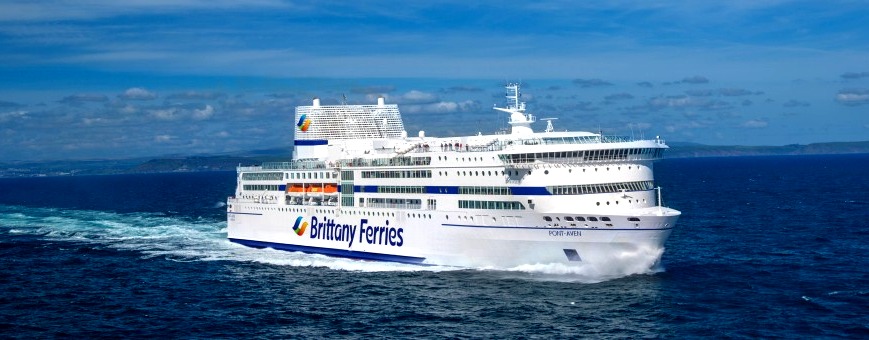
Safety and Weather Considerations
Safety is a top priority in ferry travel. Ships are equipped with modern navigation systems, safety equipment, and trained crew members who follow strict safety regulations.
Passengers are usually given safety instructions at the beginning of the journey, and emergency procedures are clearly displayed throughout the ship. Listening to announcements and following crew guidance helps ensure a safe and comfortable trip.
Weather conditions can occasionally affect ferry schedules, particularly during storms or rough seas. Checking weather forecasts and allowing extra travel time can help reduce stress if delays occur.
Tips for a Smooth Ferry Journey
A few simple tips can make your ferry trip more enjoyable and hassle-free. Arriving early at the port ensures you have enough time for check-in and boarding. Packing a small bag with essentials such as travel documents, medications, and personal items allows easy access during the journey.
Wearing comfortable clothing and bringing entertainment such as books, music, or games can help pass the time, especially on longer crossings. Staying informed about travel updates and departure times also helps avoid last-minute surprises.
Planning ahead and staying organized are the keys to a successful ferry trip.
Environmental Benefits of Ferry Travel
Ferry travel is increasingly recognized as an environmentally responsible transportation option. Modern ferries are designed to improve fuel efficiency and reduce emissions, making them a more sustainable choice compared to certain other forms of travel.
Many ferry operators are investing in cleaner technologies, alternative fuels, and energy-efficient systems to reduce their environmental impact. Travelers who choose ferry transportation contribute to these sustainability efforts while enjoying a comfortable journey.
Who should use Travel
Everything You Need to Know Before Taking a Ferry Trip Across the Channel is built for readers who want a faster way to finish everyday web tasks. The main goal is shorter workflows, clearer outputs, and reusable tool habits, so the guide focuses on practical choices instead of broad theory.
Use it when you need one of these outcomes:
- testing a task before choosing a heavier app
- saving time on a repeated browser workflow
- combining a guide with a related AltFTool utility
How to get a better result
- Read the core use case and decide what output you need.
- Open the related AltFTool utility and test it with a small sample.
- Review the result, adjust settings, and repeat only if needed.
- Continue with related tools or guides for the next step in the workflow.
Start small, check the first output, and only then repeat the workflow with the full file, text, media, or game session. That gives you a quick quality check before you spend more time.
Quality checks before you trust the output
- the input is clean before running the tool
- the output matches the format you need
- private details are removed before sharing or downloading
Do not overcomplicate a simple task. Start with the smallest sample that proves the workflow, then scale up once the output looks right.
Continue your workflow
If you want to try the workflow now, open the related AltFTool tool area. For more reading, continue through the Travel archive or the AltFTool tools directory.
This creates a cleaner path from explanation to action: read the guide, test the tool, compare the output, and move into the next related AltFTool resource only when it helps the task.
Reader questions
Quick answers
What is Everything You Need to Know Before Taking a Ferry Trip Across the Channel about?
Traveling across the English Channel by ferry remains one of the most practical and enjoyable ways to move between the United Kingdom and mainland Europe.
When should I use Travel?
Use Travel when you need testing a task before choosing a heavier app or saving time on a repeated browser workflow. It is best for shorter workflows, clearer outputs, and reusable tool habits.
How do I get better results from Travel?
Start with a small sample, then check that the input is clean before running the tool and the output matches the format you need. Review the output before using it in a final workflow.
Where can I find more Travel guides?
Use the AltFTool blog archive, AltFTool tools directory, and related links on this page to explore more Travel tutorials, tool workflows, and practical recommendations.
Sources and review notes
References used to check facts, freshness, and reader-safe recommendations in this guide.
Reviewed against AltFTool editorial guidance, related site archives, and linked tool pages for freshness and reader usefulness.
- 1AltFTool Travel archive
AltFTool
- 2AltFTool tools directory
AltFTool
Discussion
0 comments
No comments yet
Discussion will appear here once it loads.