The question of choosing the “best” budget mobile plan does not have a single universal answer—it depends entirely on your usage habits, financial priorities, and long-term expectations. In 2026, the mobile industry has undergone a major transformation, making it easier than ever for users to access high-quality services without paying premium prices.
Earlier, mobile plans were often tied to expensive contracts, hidden fees, and limited flexibility. However, today’s users demand more control, transparency, and affordability. This shift has led to the rise of budget mobile plans that offer unlimited talk and text, competitive data options, and even access to modern technologies like 5G.
These plans are not just about saving money—they are about getting value for every rupee or dollar spent. Whether you are a student managing expenses, a professional looking to reduce monthly bills, or someone who simply wants a reliable connection without overspending, budget mobile plans provide a practical solution.
Market Overview
The global mobile services industry continues to expand rapidly, driven by the increasing reliance on smartphones for communication, work, and entertainment. As of 2026, mobile connectivity has become an essential part of everyday life.
- There are over 6.9 billion smartphone users worldwide, highlighting the massive scale of mobile adoption
- More than 70% of users now prefer prepaid or flexible billing models, as they offer better financial control
- Around 60% of consumers consider affordability the most important factor when choosing a mobile provider
One of the most significant changes in recent years is the standardization of unlimited talk and text. What was once considered a premium feature is now included in more than 90% of budget mobile plans, making it a basic expectation rather than a luxury.
At the same time, the rapid rollout of 5G networks has reshaped the industry. Budget carriers are now able to offer high-speed connectivity that was previously limited to expensive postpaid plans. This means users can enjoy:
- Faster browsing and downloads
- High-quality video streaming
- Better performance for apps and online services
As a result, budget mobile plans are no longer “basic” options—they now provide a strong balance between affordability, performance, and modern features.
Comparison of Budget Mobile Plan Types
In 2026, budget mobile plans are designed to meet a wide range of user needs. Instead of offering a single type of plan, providers now categorize their services based on usage patterns, flexibility, and pricing.
Plan Type | Best For | Key Benefits | Trade-Off |
| Prepaid Plans | Budget users, students | Low cost, no contracts, flexible duration | Requires upfront payment |
| MVNO Plans | General users | Same network coverage at lower cost | Lower priority during congestion |
| Digital-Only Plans | Tech-savvy users | Cheapest pricing, easy online management | Limited customer support |
| Unlimited Plans | Heavy users | No data limits (fair usage applies) | Speed throttling after limit |
| Fixed Data Plans | Light users | Very affordable | Limited data availability |
Understanding the Plan Types in Detail
Prepaid Plans
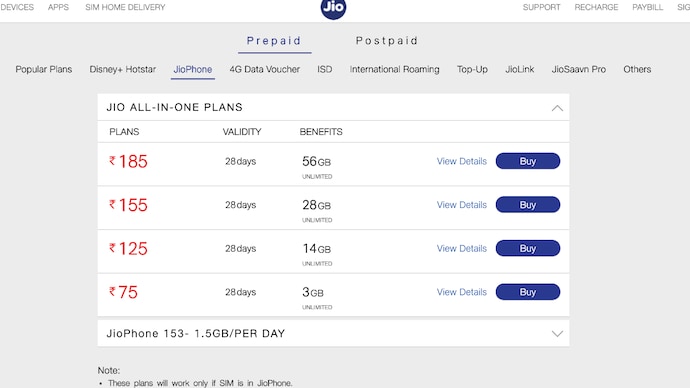
Prepaid plans are one of the most widely used options in the budget segment. These plans require users to pay in advance for their mobile services, which helps eliminate the risk of unexpected bills.
One of the biggest advantages of prepaid plans is financial transparency. Since users pay upfront, they have complete control over their expenses. There are no hidden charges, billing surprises, or long-term commitments.
Additionally, prepaid plans are highly flexible. Users can choose from different durations such as monthly, quarterly, or yearly plans. Longer commitments often come with discounts, making them more cost-effective.
MVNO Plans (Mobile Virtual Network Operators)
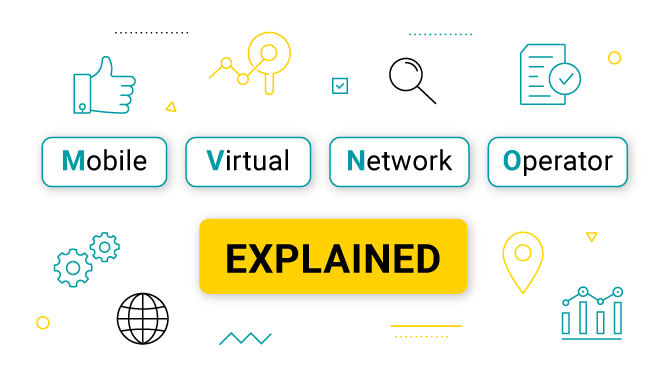
MVNOs play a crucial role in making mobile services more affordable. These providers do not own network infrastructure but instead lease it from major carriers.
This model allows them to offer competitive pricing while maintaining reliable coverage. Users benefit from the same network reach as major carriers but at a lower cost.
However, there is a trade-off. During peak hours or in high-traffic areas, MVNO users may experience slower data speeds due to lower network priority. Despite this, for most everyday tasks, performance remains satisfactory.
Digital-Only Plans
Digital-only plans are becoming increasingly popular, especially among younger and tech-savvy users. These providers operate entirely online, allowing them to minimize operational costs.
From activation to customer support, everything is managed through apps or websites. This results in:
- Faster setup processes
- Lower pricing
- Simplified user experience
However, users who prefer in-person assistance may find the lack of physical stores limiting.
Unlimited Data Plans
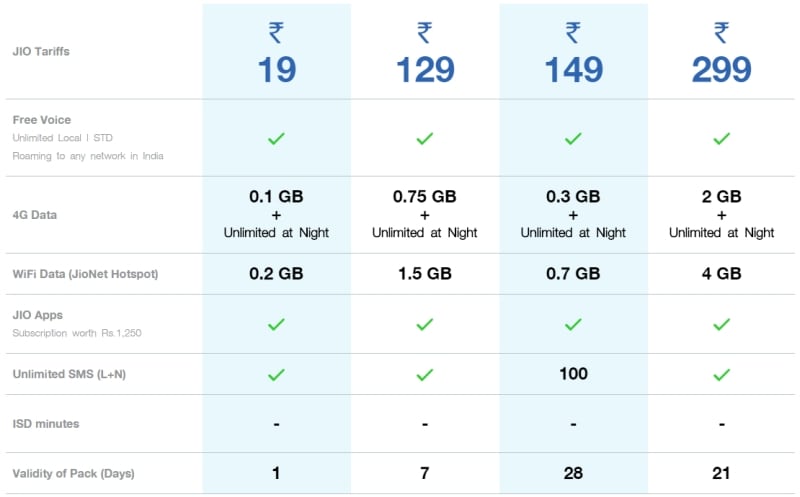
Unlimited data plans are ideal for heavy users who rely on their phones for streaming, gaming, or remote work. These plans remove the stress of monitoring data usage.
However, most unlimited plans include a fair usage policy, where speeds may be reduced after a certain data limit is reached. This ensures fair distribution of network resources.
Fixed Data Plans
Fixed data plans are best suited for light users who primarily use their phones for calls, texts, and occasional browsing. These plans are extremely affordable but require careful data management.
Key Features of Budget Mobile Plans
Modern budget mobile plans are packed with features that were once available only in premium plans.
Unlimited Talk & Text
This has become a standard feature, allowing users to communicate without worrying about additional charges.
Flexible Data Options
Plans are available for all types of users, from minimal data needs to heavy usage.
5G Connectivity
Many budget providers now include access to high-speed 5G networks, improving overall performance.
Mobile Hotspot
Hotspot functionality allows users to share their internet connection with other devices.
Wi-Fi Calling & eSIM
These features enhance connectivity and make activation faster and more convenient.
Pricing Breakdown (2026)
Budget mobile plans are much more affordable compared to traditional carrier plans.
- Entry-level plans: $10–$20/month
- Mid-range plans: $20–$30/month
- Unlimited plans: $25–$40/month
Some providers even offer promotional pricing as low as $15/month, especially for long-term commitments.
How Budget Mobile Plans Keep Costs Low
Budget carriers use several smart strategies to reduce costs and offer affordable pricing:
- Operate online without physical stores
By running their services digitally, providers save on rent and staffing costs, which helps lower plan prices. - Use prepaid billing systems
Prepaid models reduce billing complexity and financial risks, allowing companies to maintain lower operational costs. - Lease network infrastructure
Instead of building their own towers, providers use existing networks, significantly reducing expenses. - Avoid premium add-ons like streaming services
Budget plans focus on essential features rather than costly extras, keeping pricing simple and affordable.
These strategies allow providers to deliver value while maintaining reliable service.
Advantages of Budget Mobile Plans
- Significant cost savings (up to 70%)
Users can save a large portion of their monthly expenses compared to traditional plans. - No contracts or hidden fees
Most plans are transparent and do not require long-term commitments. - Flexible plan options
Users can easily choose or switch plans based on their needs. - Reliable network coverage
Access to major networks ensures good connectivity and call quality.
Limitations to Consider
- Slower speeds during peak times
Network congestion can affect data speeds, especially for MVNO users. - Upfront payment requirements
Some plans require advance payments to access the best pricing. - Limited customer support
Most services are online-based, with fewer in-person support options. - Fewer premium features
Budget plans typically do not include additional perks or subscriptions.
Real-World Performance
Budget mobile plans perform well in everyday scenarios. Users can expect clear calls, stable messaging, and smooth browsing for regular use.
However, performance may vary depending on location, network strength, and congestion levels. In busy areas or during peak hours, speeds may slow down slightly.
Overall, for most users, budget plans provide reliable performance for daily needs.
Future Trends in Budget Mobile Plans
The industry is evolving quickly with several exciting developments:
- Expansion of 5G networks
Faster and more reliable connectivity will become widely available. - AI-based plan recommendations
Providers may use AI to suggest plans based on user behavior. - Increased competition
More providers will lead to better pricing and improved services. - More customizable plans
Users may soon be able to build plans based on their specific needs.
These trends will continue to enhance both affordability and user experience.
FAQs
1. Are budget mobile plans reliable for daily use?
Yes, most budget plans use major network infrastructure, ensuring good call quality and coverage. While speeds may vary during peak times, they are reliable for everyday usage.
2. Do all budget plans include unlimited talk and text?
Yes, unlimited talk and text has become a standard feature in almost all budget mobile plans, making communication simple and cost-effective.
3. Is unlimited data truly unlimited?
Not always. Most plans include a fair usage policy, meaning speeds may reduce after a certain limit, but internet access continues.
4. Can I switch plans anytime?
Yes, since most budget plans are prepaid and contract-free, users can switch plans or providers without penalties.
5. How much should I expect to spend?
On average, budget mobile plans cost between $15 and $40 per month, depending on features and data usage.
Who should use Technology & Gadgets
Best Budget Mobile Plans with Unlimited Talk & Text is built for writers, students, and teams working with text, files, and document cleanup. The main goal is clearer writing, cleaner documents, and faster review workflows, so the guide focuses on practical choices instead of broad theory.
Use it when you need one of these outcomes:
- checking writing length before submission
- combining or preparing files for sharing
- cleaning language, formatting, or readability before publishing
How to get a better result
- Paste or upload a small sample first to confirm the tool behavior.
- Apply the correction, merge, count, or translation workflow.
- Review the output for formatting, meaning, and missing sections.
- Save the final version only after checking the most important details.
Start small, check the first output, and only then repeat the workflow with the full file, text, media, or game session. That gives you a quick quality check before you spend more time.
Quality checks before you trust the output
- the final text still says what you intended
- file order and page order are correct before export
- names, numbers, dates, and translated terms are reviewed manually
Do not treat automated text output as final without review. The tool can speed up cleanup, but names, facts, tone, and context still need a human pass.
Continue your workflow
If you want to try the workflow now, open the related AltFTool tool area. For more reading, continue through the Technology & Gadgets archive or the AltFTool PDF and document guides.
This creates a cleaner path from explanation to action: read the guide, test the tool, compare the output, and move into the next related AltFTool resource only when it helps the task.
Reader questions
Quick answers
What is Best Budget Mobile Plans with Unlimited Talk & Text about?
The question of choosing the “best” budget mobile plan does not have a single universal answer—it depends entirely on your usage habits, financial.
When should I use Technology & Gadgets?
Use Technology & Gadgets when you need checking writing length before submission or combining or preparing files for sharing. It is best for clearer writing, cleaner documents, and faster review workflows.
How do I get better results from Technology & Gadgets?
Start with a small sample, then check that the final text still says what you intended and file order and page order are correct before export. Review the output before using it in a final workflow.
Where can I find more Technology & Gadgets guides?
Use the AltFTool blog archive, AltFTool PDF and document guides, and related links on this page to explore more Technology & Gadgets tutorials, tool workflows, and practical recommendations.
Sources and review notes
References used to check facts, freshness, and reader-safe recommendations in this guide.
Reviewed against AltFTool editorial guidance, related site archives, and linked tool pages for freshness and reader usefulness.
- 1
- 2AltFTool PDF and document guides
AltFTool
- 3AltFTool related tools area
AltFTool
Discussion
0 comments
No comments yet
Discussion will appear here once it loads.